2'-Bromo-4'-methylacetanilide is a chemical compound widely used in organic synthesis reactions. This versatile building block plays a crucial role in laboratories by serving as a foundational material for the creation of more complex molecules. Its presence in chemical laboratories is essential for the development of various compounds with applications in pharmaceuticals, materials science, and industrial chemistry. As a non-heterocyclic compound, it offers a simple yet adaptable molecular structure, making it ideal for chemical modifications and functional group transformations.
The chemical properties of 2'-Bromo-4'-methylacetanilide make it a preferred choice for synthetic chemists. The bromo group at the 2' position and the methyl group at the 4' position provide clear sites for chemical reactions, facilitating substitution and electrophilic reactions. Its stability under a variety of reaction conditions, including both polar and non-polar solvents, enhances its utility in diverse synthetic pathways. This stability ensures that the compound remains intact during complex reaction sequences, reducing the risk of unwanted side reactions.
In Indonesian laboratories, 2'-Bromo-4'-methylacetanilide is commonly used in organic and pharmaceutical research. It is a key reagent in the synthesis of aromatic compounds and their derivatives, supporting academic and industrial research efforts. Many educational and research institutions in Indonesia rely on this compound for their chemical investigations, contributing to advancements in drug development and material science. Its availability and reliability make it an essential part of the chemical supply chain in the region.
- Organic synthesis is a primary application where this compound serves as a versatile building block for creating complex molecular structures.
- Pharmaceutical research utilizes this compound for the development of new drugs and therapeutic agents due to its reactivity and structural adaptability.
- Material science applications benefit from its ability to participate in reactions that lead to the formation of functional materials and polymers.
- Academic research in chemistry often incorporates this compound to explore new synthetic methodologies and reaction mechanisms.
- Industrial chemical processes rely on this compound for the production of specialty chemicals and intermediates in various manufacturing sectors.
| Brand | TCI |
|---|---|
| CAS number | 614-83-5 |
| Molecular formula | — |
| Purity | — |
| Category | Chemistry > Building Blocks > Non-Heterocyclic Building Blocks |
| Pack sizes | Available in various quantities as per standard laboratory supply specifications |
| Physical form | Solid, typically in crystalline or powder form |
| Storage | Store in a cool, dry place away from light and moisture |
This compound should be stored in a cool, dry environment, away from direct sunlight and moisture to maintain its stability. It is recommended to use airtight containers made of glass or high-density polyethylene to prevent contamination and degradation. Due to its chemical nature, it should be handled with appropriate personal protective equipment, including gloves and safety goggles, to ensure laboratory safety. It is advisable to store it in a well-ventilated area to minimize exposure to vapors. Avoid contact with incompatible substances such as strong oxidizers or acids. Proper labeling and storage practices help maintain the integrity of the compound and ensure safe handling in laboratory settings.
—
Produk Terkait
-
4'-Bromo-3'-methylacetanilide TCI B3142
Regular price From Rp 530.250,00Regular priceRp 386.400,00Sale price From Rp 530.250,00 -
4'-Bromo-2'-methylacetanilide TCI B1556
Regular price Rp 2.013.900,00Regular priceRp 1.423.800,00Sale price Rp 2.013.900,00 -
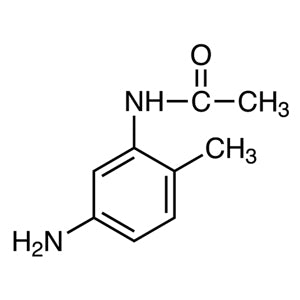
5'-Amino-2'-methylacetanilide TCI A2724
Regular price From Rp 1.618.050,00Regular priceRp 1.146.600,00Sale price From Rp 1.618.050,00 -
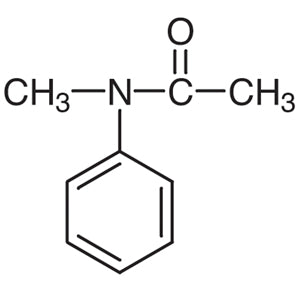
N-Methylacetanilide TCI M0134
Regular price Rp 1.483.650,00Regular priceRp 1.053.150,00Sale price Rp 1.483.650,00 -
2'-Hydroxy-5'-methylacetanilide TCI H1442
Regular price From Rp 505.050,00Regular priceRp 368.550,00Sale price From Rp 505.050,00 -
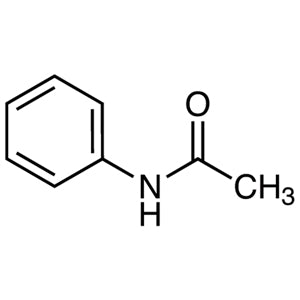
Acetanilide TCI A3272
Regular price Rp 1.192.800,00Regular priceRp 849.450,00Sale price Rp 1.192.800,00 -
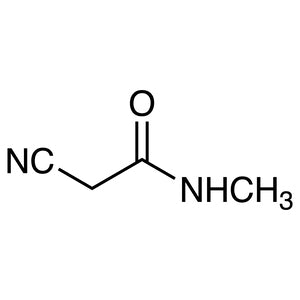
2-Cyano-N-methylacetamide TCI M3781
Regular price From Rp 1.618.050,00Regular priceRp 1.146.600,00Sale price From Rp 1.618.050,00 -
3',4'-Dimethylacetanilide TCI D2122
Regular price Rp 2.279.550,00Regular priceRp 1.609.650,00Sale price Rp 2.279.550,00