

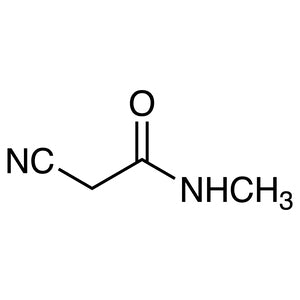
2-Cyano-N-methylacetamide is a chemical compound widely used in synthetic reactions to construct complex molecular structures. It serves as a crucial building block in the field of organic chemistry, particularly in the synthesis of heterocyclic compounds and other organic molecules. This compound plays a significant role in laboratory settings, where it is employed in substitution reactions and carbon-nitrogen bond formation processes. Its presence in chemical laboratories is essential for researchers aiming to achieve precise and controlled chemical transformations.
The compound is known for its stable chemical structure and controlled reactivity, which makes it an ideal choice for synthetic applications. These characteristics ensure that the reaction proceeds efficiently without producing unwanted by-products. Its reliability and consistency make it a preferred material for chemists who require accuracy and reproducibility in their experiments. The compound’s availability in various packaging formats further enhances its usability across different experimental scales.
In Indonesian laboratories, 2-Cyano-N-methylacetamide is extensively used in chemical research, especially in organic synthesis and the development of new compounds. It is a common reagent in academic and research institutions that rely on high-quality and stable chemical reagents. Its widespread use highlights its importance in both educational and industrial chemical applications within the country.
Related TCI products
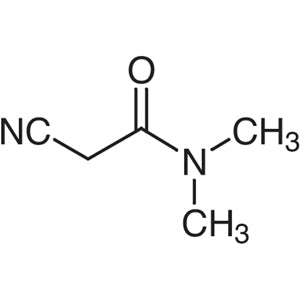
- TCI C1793 7391-40-4 2-Cyano-N,N-dimethylacetamide
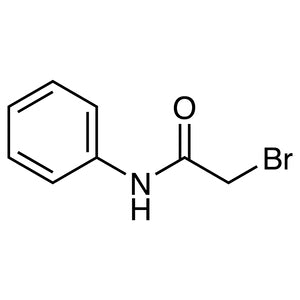
- TCI B6588 5326-87-4 2-Bromo-N-phenylacetamide
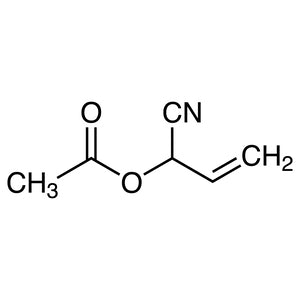
- TCI A1196 15667-63-7 1-Cyano-2-propenyl Acetate
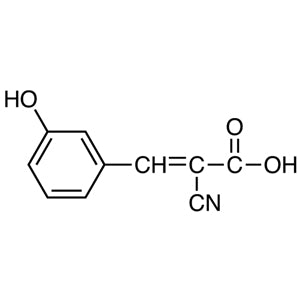
- TCI C2677 54673-07-3 alpha-Cyano-3-hydroxycinnamic Acid
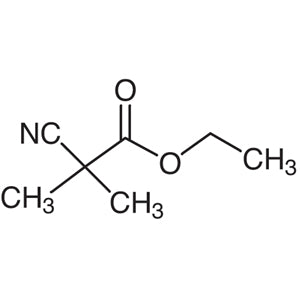
- TCI C1546 1572-98-1 Ethyl 2-Cyano-2-methylpropionate
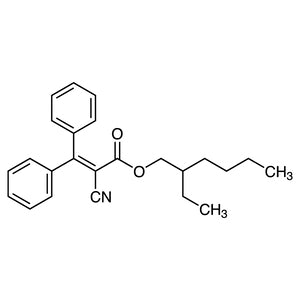
- TCI C0968 6197-30-4 2-Ethylhexyl 2-Cyano-3,3-diphenylacrylate
- Organic synthesis is a key application where 2-Cyano-N-methylacetamide is used to build complex molecular structures through controlled chemical reactions.
- Heterocyclic compound development benefits from this compound due to its role in forming stable carbon-nitrogen bonds essential for ring formation.
- Research in chemical reactivity often incorporates this material to study substitution reactions and molecular transformation mechanisms.
- Educational institutions use it as a standard reagent for teaching synthetic chemistry and laboratory techniques to students.
- Industrial chemical processes may rely on this compound for the production of specialized organic compounds and pharmaceutical intermediates.
| Brand | TCI |
|---|---|
| CAS number | 6330-25-2 |
| Molecular formula | — |
| Purity | — |
| Category | Chemistry > Building Blocks > Non-Heterocyclic Building Blocks |
| Pack sizes | Available in various sizes to suit different experimental needs |
| Physical form | Solid, crystalline appearance |
| Storage | Store in a cool, dry place away from direct sunlight |
This compound should be stored in a cool, dry environment to maintain its chemical stability. It is recommended to keep it in airtight containers to prevent moisture absorption and contamination. Due to its chemical nature, it should be handled in a well-ventilated area to minimize exposure. Laboratory personnel should wear appropriate personal protective equipment, such as gloves and safety goggles, when working with this material. Avoid direct contact with skin or inhalation of vapors. Proper labeling of storage containers is essential for safe handling and easy identification.
—
Produk Terkait
-
2-Cyano-N,N-dimethylacetamide TCI C1793
Regular price From Rp 2.650.200,00Regular price -
2-Bromo-N-phenylacetamide TCI B6588
Regular price From Rp 1.696.800,00Regular price -
1-Cyano-2-propenylAcetate TCI A1196
Regular price Rp 7.023.450,00Regular price -
alpha-Cyano-3-hydroxycinnamicAcid TCI C2677
Regular price Rp 2.386.650,00Regular price -
Ethyl2-Cyano-2-methylpropionate TCI C1546
Regular price From Rp 1.881.600,00Regular price -
2-Ethylhexyl2-Cyano-3,3-diphenylacrylate TCI C0968
Regular price From Rp 769.650,00Regular price -
N-[3-[3-(Dimethylamino)acryloyl]phenyl]-N-ethylacetamide TCI D4259
Regular price From Rp 637.350,00Regular price -
2-Cyano-N,N-diethylacetamide TCI C2822
Regular price Rp 2.094.750,00Regular price
![N-[3-[3-(Dimethylamino)acryloyl]phenyl]-N-ethylacetamide (CAS 96605-66-2) - TCI D4259 - AMI Scientific](http://amiscientific.com/cdn/shop/files/TCI2510D4259.jpg?v=1767107330&width=533)
