Alpha-Cyano-3-hydroxycinnamic Acid is a chemical compound widely used in laboratory settings for the synthesis of complex molecules. As a key building block in organic chemistry, it plays a crucial role in various synthetic pathways, enabling the creation of structurally diverse compounds. This compound is particularly valued for its versatility and reactivity, making it an essential tool in both academic and industrial research environments. Its ability to participate in multiple reaction types, such as Diels-Alder, substitution, and condensation reactions, enhances its utility in the development of new chemical entities.
The compound's stable molecular structure and favorable reactivity make it a preferred choice for chemists working on a wide range of synthetic challenges. Its polar nature allows it to dissolve in common organic solvents like ethyl acetate and acetone, facilitating its use in diverse reaction conditions. Additionally, its compatibility with a variety of reagents and catalysts makes it suitable for both heterocyclic and non-heterocyclic synthesis. These properties contribute to its widespread application in the field of organic chemistry.
In Indonesian laboratories, Alpha-Cyano-3-hydroxycinnamic Acid is commonly used in research related to organic chemistry, pharmacology, and material science. It is frequently employed in experiments aimed at developing new compounds with specific functional properties. Its availability and reliability make it a standard component in many research protocols, supporting both fundamental and applied scientific investigations.
Related TCI products
- TCI C1768 28166-41-8 alpha-Cyano-4-hydroxycinnamic Acid
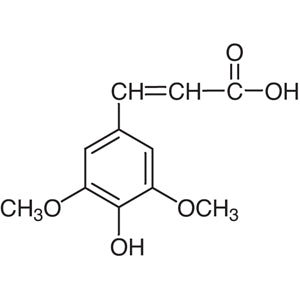
- TCI D1765 530-59-6 3,5-Dimethoxy-4-hydroxycinnamic Acid
- TCI H0952 3541-42-2 2-Hydroxycinnamaldehyde
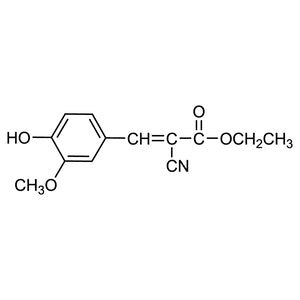
- TCI E1623 13373-29-0 Ethyl 2-Cyano-3-(4-hydroxy-3-methoxyphenyl)acrylate
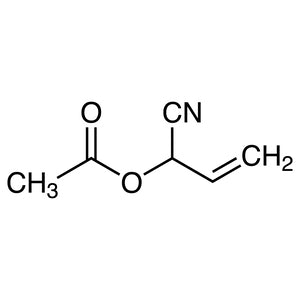
- TCI A1196 15667-63-7 1-Cyano-2-propenyl Acetate
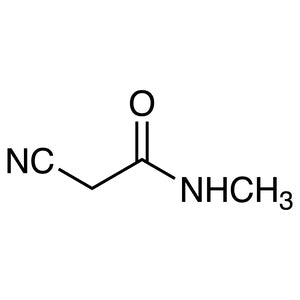
- TCI M3781 6330-25-2 2-Cyano-N-methylacetamide
- Organic synthesis applications benefit from its reactivity and compatibility with various reaction mechanisms, enabling the creation of complex molecular structures.
- Pharmaceutical research utilizes this compound for the development of new drug candidates due to its ability to participate in key synthetic steps.
- Material science experiments leverage its chemical properties to synthesize functional materials with tailored characteristics.
- Academic research in chemistry relies on its role as a building block for teaching and experimental purposes in undergraduate and graduate programs.
- Analytical chemistry applications use it as a reference standard for identifying and quantifying compounds in complex mixtures.
| Brand | TCI |
|---|---|
| CAS number | 54673-07-3 |
| Molecular formula | — |
| Purity | — |
| Category | Chemistry > Building Blocks > Non-Heterocyclic Building Blocks |
| Pack sizes | Available in various quantities as per supplier specifications |
| Physical form | Solid (as per standard product description) |
| Storage | Store in a cool, dry place away from light and moisture |
This compound should be stored in a cool, dry environment to maintain its stability and prevent degradation. It is recommended to keep it in a tightly sealed container to avoid exposure to moisture and air. Due to its polar nature, it is advisable to use glass or high-density polyethylene containers to ensure compatibility and prevent contamination. Laboratory personnel should handle it with appropriate personal protective equipment, such as gloves and safety goggles, to ensure safe handling. Proper ventilation should be maintained in the workspace to minimize inhalation risks. Regular monitoring of storage conditions is essential to ensure the compound remains in optimal condition for use in research applications.
—
Product Categories
Produk Terkait
-
alpha-Cyano-4-hydroxycinnamicAcid TCI C1768
Regular price Rp 1.510.950,00Regular price -
3,5-Dimethoxy-4-hydroxycinnamicAcid TCI D1765
Regular price From Rp 2.094.750,00Regular price -
2-Hydroxycinnamaldehyde TCI H0952
Regular price Rp 12.694.500,00Regular price -
Ethyl2-Cyano-3-(4-hydroxy-3-methoxyphenyl)acrylate TCI E1623
Regular price Rp 2.174.550,00Regular price -
1-Cyano-2-propenylAcetate TCI A1196
Regular price Rp 7.023.450,00Regular price -
2-Cyano-N-methylacetamide TCI M3781
Regular price From Rp 1.565.550,00Regular price -
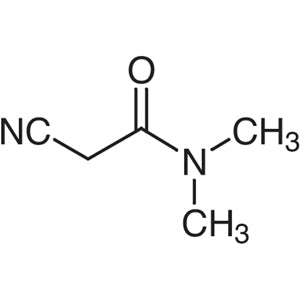
2-Cyano-N,N-dimethylacetamide TCI C1793
Regular price From Rp 2.650.200,00Regular price -
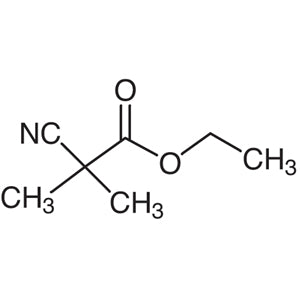
Ethyl2-Cyano-2-methylpropionate TCI C1546
Regular price From Rp 1.881.600,00Regular price