![N-[3-[3-(Dimethylamino)acryloyl]phenyl]-N-ethylacetamide (CAS 96605-66-2) - TCI D4259 - AMI Scientific](http://amiscientific.com/cdn/shop/files/TCI2510D4259.jpg?v=1767107330&width=1946)
![N-[3-[3-(Dimethylamino)acryloyl]phenyl]-N-ethylacetamide (CAS 96605-66-2) - TCI D4259 - AMI Scientific](http://amiscientific.com/cdn/shop/files/TCI2510D4259.jpg?v=1767107330&width=1445)
TCI D4259, bearing CAS number 96605-66-2, is N-[3-[3-(Dimethylamino)acryloyl]phenyl]-N-ethylacetamide, an aromatic enaminone positioned as a non-heterocyclic building block for organic synthesis. Its molecular structure combines three reactive elements at once: an enaminone group (3-dimethylamino acryloyl) that serves as a highly useful three-carbon unit for ring formation, a meta-substituted benzene core, and an N-ethylacetamide group that is already installed from the outset. In the laboratory, compounds of this type act as synthetic entry points — starting materials that cut out several reaction steps because the target framework is already partially assembled.
The characteristic that makes this material a preferred choice lies in the distinctive and readily predictable reactivity of its enaminone moiety. The dimethylamino group behaves as a good leaving group when it encounters binucleophilic reagents such as hydrazine, amidines, guanidine, or urea, so that condensation–cyclisation reactions proceed with a relatively controlled regiochemical pattern. Researchers can therefore design the formation of pyrazole, pyrimidine, or isoxazole rings in a directed manner, without any need to activate the substrate beforehand. The pre-installed amide substituent likewise removes a protection or functionalisation stage that would otherwise be required later in the route.
In Indonesian laboratories, a building block of this kind is typically used in university research groups, pharmaceutical and medicinal chemistry laboratories, and contract synthesis facilities that construct heterocyclic scaffolds. It suits work where the reaction route must be kept short and reproducible, because the partially formed framework reduces the number of intermediate steps that need to be optimised, purified, and characterised. It is also well suited to method development and to the preparation of small compound libraries for screening.
- Pyrazole ring synthesis — the enaminone reacts with hydrazine and substituted hydrazines in a condensation–cyclisation sequence, giving a controlled regiochemical outcome without prior substrate activation.
- Pyrimidine scaffold construction — treatment with binucleophiles such as amidines, guanidine, or urea builds the six-membered ring directly from the three-carbon acryloyl unit already present in the molecule.
- Isoxazole preparation — the dimethylamino group departs cleanly during cyclisation, allowing directed assembly of the isoxazole ring from a single, well-defined starting material.
- Medicinal chemistry route shortening — the pre-installed N-ethylacetamide substituent and meta-substituted benzene core remove several functionalisation steps from the overall synthetic sequence.
- Compound library and method development work — predictable enaminone reactivity makes the material suitable for parallel reactions in which several binucleophiles are screened against one common building block.
| Brand | TCI |
|---|---|
| CAS number | 96605-66-2 |
| Molecular formula | — |
| Purity | — |
| Category | Chemistry > Building Blocks > Non-Heterocyclic Building Blocks |
| Pack sizes | available in the standard TCI catalogue pack sizes; please confirm the size required when ordering |
| Physical form | — |
| Storage | store in a cool, dry place in a tightly closed original container |
- Chemical name: N-[3-[3-(Dimethylamino)acryloyl]phenyl]-N-ethylacetamide
- Product code: D4259
Keep the material in its original tightly closed container, stored in a cool, dry, and well-ventilated place away from direct sunlight, moisture, heat sources, and incompatible reagents such as strong oxidising agents and strong acids. Amber glass or the manufacturer's supplied container is appropriate, and containers should be resealed promptly after each use to limit exposure to air and humidity. Handle in a fume hood using standard personal protective equipment — laboratory coat, chemical-resistant gloves, and safety goggles — and avoid inhaling dust, vapour, or aerosol and contact with skin and eyes. Weigh and transfer with clean, dry spatulas to prevent cross-contamination. Consult the manufacturer's Safety Data Sheet before use and dispose of residues and contaminated materials in accordance with applicable laboratory chemical waste procedures.
—
Product Categories
Produk Terkait
-
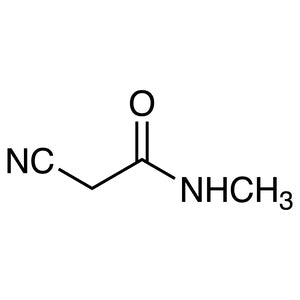
2-Cyano-N-methylacetamide TCI M3781
Regular price From Rp 1.565.550,00Regular price -
2-Cyano-N,N-diethylacetamide TCI C2822
Regular price Rp 2.094.750,00Regular price -
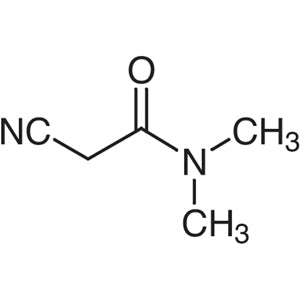
2-Cyano-N,N-dimethylacetamide TCI C1793
Regular price From Rp 2.650.200,00Regular price -
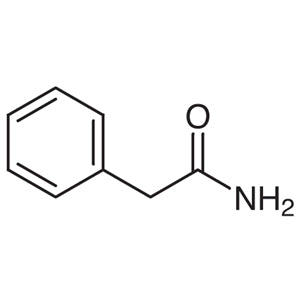
2-Phenylacetamide TCI P0120
Regular price From Rp 1.326.150,00Regular price -
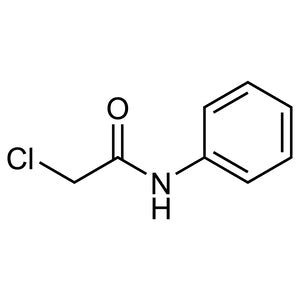
2-Chloro-N-phenylacetamide TCI C4124
Regular price From Rp 1.644.300,00Regular price -
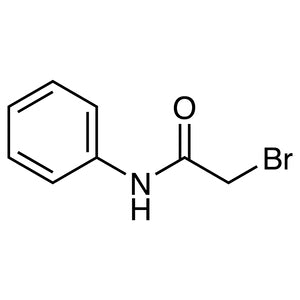
2-Bromo-N-phenylacetamide TCI B6588
Regular price From Rp 1.696.800,00Regular price -
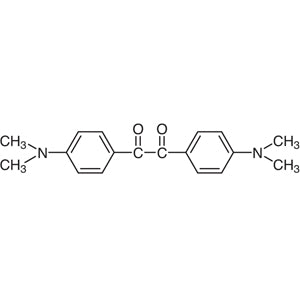
4,4'-Bis(dimethylamino)benzil TCI B1212
Regular price From Rp 3.683.400,00Regular price -
Ethyl2-Acetyl-3-(dimethylamino)acrylate TCI E1179
Regular price From Rp 955.500,00Regular price