

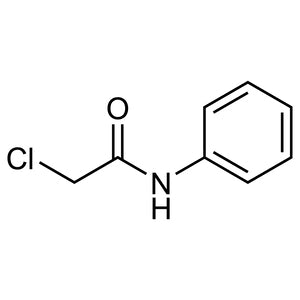
2-Chloro-N-phenylacetamide is a chemical compound widely used in laboratory settings for the synthesis of complex molecules. It serves as a key building block in organic chemistry, particularly in the formation of heterocyclic compounds and derivatives of acetic acid. Its simple molecular structure plays a crucial role in enabling various chemical transformations. This compound is commonly utilized in substitution and electrophilic reactions, making it an essential reagent for synthetic chemists.
The compound's stability under specific conditions and its reactivity in diverse chemical reactions make it a preferred choice for laboratory applications. It exhibits polar characteristics, allowing it to dissolve in organic solvents such as ethyl acetate and acetone. These properties enhance its utility in reactions requiring high reactivity. Its solubility and chemical behavior make it suitable for a wide range of synthetic processes, contributing to its popularity among researchers and students.
In Indonesian laboratories, 2-Chloro-N-phenylacetamide is frequently used in organic chemistry research and the synthesis of pharmacological compounds. It is a common component in experiments aimed at producing compounds with specific biological activities. Due to its unique chemical properties, it is a valuable tool for both academic and industrial research in the field of chemistry.
- Organic synthesis of heterocyclic compounds due to its reactivity and structural versatility.
- Preparation of acetic acid derivatives through substitution reactions in synthetic pathways.
- Electrophilic reaction studies to explore reaction mechanisms and functional group transformations.
- Development of pharmacological compounds for drug discovery and bioactive molecule synthesis.
- Research in chemical reactivity and molecular structure modification for academic and industrial applications.
| Brand | TCI |
|---|---|
| CAS number | 587-65-5 |
| Molecular formula | — |
| Purity | — |
| Category | Chemistry > Building Blocks > Non-Heterocyclic Building Blocks |
| Pack sizes | Available in various quantities as per standard laboratory supply options |
| Physical form | Solid |
| Storage | Store in a cool, dry place away from light and moisture |
This compound should be stored in a cool, dry place, away from direct light and moisture to maintain its stability. It is recommended to use airtight containers made of glass or polyethylene to prevent contamination and degradation. Due to its polar nature, it is important to handle it with appropriate personal protective equipment, such as gloves and safety goggles. Avoid exposure to incompatible substances and ensure proper ventilation in the laboratory. Regular monitoring of storage conditions is advised to ensure the compound remains in optimal condition for use in chemical experiments.
—
Produk Terkait
-
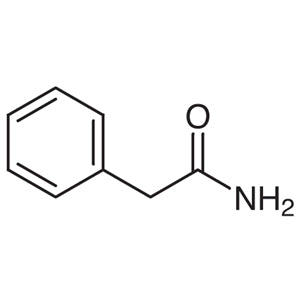
2-Phenylacetamide TCI P0120
Regular price From Rp 1.326.150,00Regular price -
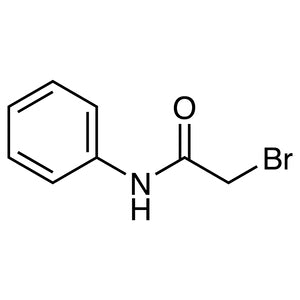
2-Bromo-N-phenylacetamide TCI B6588
Regular price From Rp 1.696.800,00Regular price -
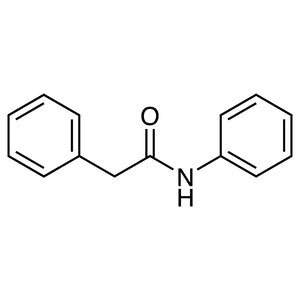
N,2-Diphenylacetamide TCI P3074
Regular price From Rp 2.386.650,00Regular price -
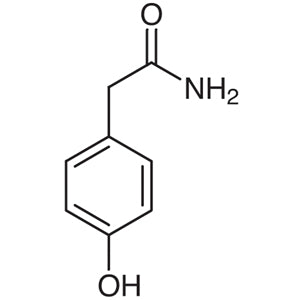
4-Hydroxyphenylacetamide TCI H0853
Regular price From Rp 637.350,00Regular price -
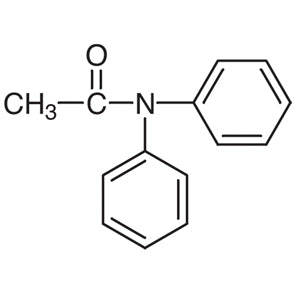
N,N-Diphenylacetamide TCI D0868
Regular price Rp 1.829.100,00Regular price -
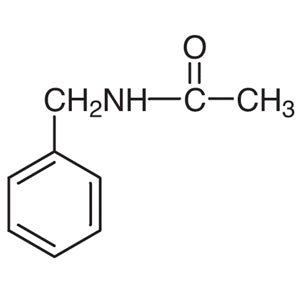
N-Benzylacetamide TCI B0404
Regular price From Rp 2.518.950,00Regular price -
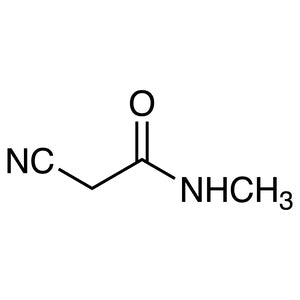
2-Cyano-N-methylacetamide TCI M3781
Regular price From Rp 1.565.550,00Regular price -
N-[3-[3-(Dimethylamino)acryloyl]phenyl]-N-ethylacetamide TCI D4259
Regular price From Rp 637.350,00Regular price
![N-[3-[3-(Dimethylamino)acryloyl]phenyl]-N-ethylacetamide (CAS 96605-66-2) - TCI D4259 - AMI Scientific](http://amiscientific.com/cdn/shop/files/TCI2510D4259.jpg?v=1767107330&width=533)