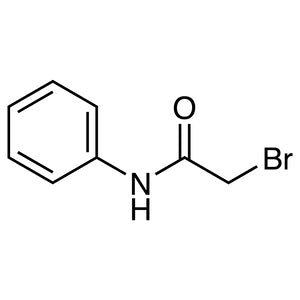
N,N-Diphenylacetamide from TCI is a tertiary amide formed from acetic acid and diphenylamine. Its amide nitrogen carries two phenyl rings and one acetyl group. In organic chemistry laboratories it serves as a non-heterocyclic building block, as a model compound for studying how aromatic amides behave, and as an intermediate in the synthesis of diphenylamine derivatives. Because its structure is simple, the compound is also useful in teaching and as an analytical reference material.
Chemists choose this compound because its amide nitrogen has no hydrogen, so it cannot donate an N–H hydrogen bond. As a result, it dissolves, crystallizes and reacts differently from primary or secondary amides. The two phenyl rings make the molecule fairly hydrophobic and give it clear UV absorption, so it is easy to monitor by TLC and HPLC. Hydrolysis removes the acetyl group and gives back diphenylamine, which means the acetyl group can act as a temporary protecting group.
In Indonesia, this material suits organic chemistry laboratories at universities, analytical laboratories that need a reference compound, and research teams working on diphenylamine-based synthesis. Teaching laboratories can use it to show how a fully substituted amide behaves compared with simpler amides. Synthesis groups can use it as a defined starting point for building more complex aromatic molecules. Analytical teams can use it as a UV-active comparison standard when developing or checking chromatographic methods.
- Non-heterocyclic building block: its simple aromatic amide framework gives synthetic chemists a well-defined starting point for building more complex diphenylamine-based molecules.
- Model compound for amide studies: because it lacks an N–H hydrogen, it shows clearly how tertiary aromatic amides differ from primary and secondary amides in solubility and reactivity.
- Intermediate for diphenylamine derivatives: the acetyl group can be removed by hydrolysis to give back diphenylamine, so it can serve as a temporary protecting group during multistep synthesis.
- Analytical reference material: its two phenyl rings give clear UV absorption, so it is easy to detect and track by TLC and HPLC when developing or verifying methods.
- Teaching and demonstrations: its simple, easy-to-understand structure suits university practical classes on amide chemistry, hydrogen bonding, protecting groups and chromatographic monitoring.
| Brand | TCI (product code D0868) |
|---|---|
| CAS number | 519-87-9 |
| Molecular formula | — |
| Purity | — |
| Category | Chemistry > Building Blocks > Non-Heterocyclic Building Blocks |
| Pack sizes | as listed in the options on this product page |
| Physical form | see the TCI product label and Certificate of Analysis |
| Storage | keep tightly closed in a cool, dry place, following the manufacturer's Safety Data Sheet |
Keep N,N-Diphenylacetamide in its original, tightly sealed container in a cool, dry, well-ventilated area, away from direct sunlight, moisture and strong oxidizing agents. If you transfer portions, use clean, dry, clearly labeled glass or compatible containers. Handle the material in a fume hood or well-ventilated workspace and wear standard laboratory protective equipment, including gloves, safety glasses and a lab coat. Avoid creating or breathing dust and avoid contact with skin and eyes. Before use, read the TCI Safety Data Sheet, and dispose of residues according to local laboratory and environmental regulations.
—
Produk Terkait
-
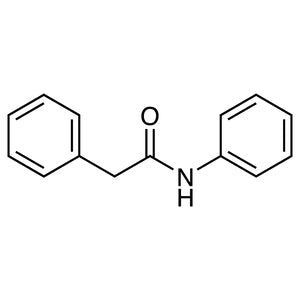
N,2-Diphenylacetamide TCI P3074
Regular price From Rp 2.439.150,00Regular priceRp 1.720.950,00Sale price From Rp 2.439.150,00 -
TriphenylaceticAcid TCI T1585
Regular price From Rp 3.683.400,00Regular priceRp 2.591.400,00Sale price From Rp 3.683.400,00 -
4-BiphenylaceticAcid TCI B1278
Regular price From Rp 1.696.800,00Regular priceRp 1.202.250,00Sale price From Rp 1.696.800,00 -
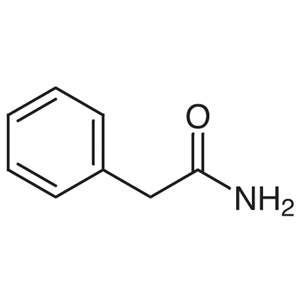
2-Phenylacetamide TCI P0120
Regular price From Rp 1.378.650,00Regular priceRp 979.650,00Sale price From Rp 1.378.650,00 -
DiphenylaceticAnhydride TCI D4075
Regular price Rp 3.232.950,00Regular priceRp 2.276.400,00Sale price Rp 3.232.950,00 -
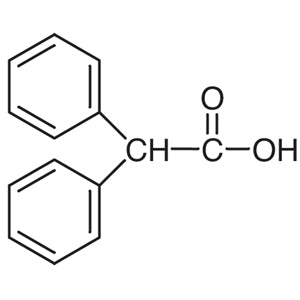
DiphenylaceticAcid TCI D0869
Regular price From Rp 769.650,00Regular priceRp 553.350,00Sale price From Rp 769.650,00 -
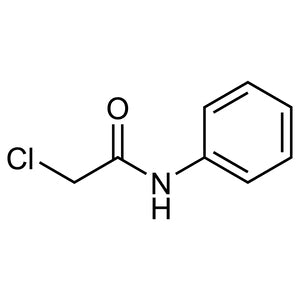
2-Chloro-N-phenylacetamide TCI C4124
Regular price From Rp 1.696.800,00Regular priceRp 1.202.250,00Sale price From Rp 1.696.800,00 -
2-Bromo-N-phenylacetamide TCI B6588
Regular price From Rp 1.749.300,00Regular priceRp 1.239.000,00Sale price From Rp 1.749.300,00