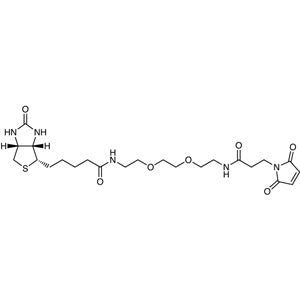
TCI B3174, with the CAS number 305372-39-8, is a complex chemical compound used in bioconjugation applications within laboratory settings. This molecule is specifically designed to facilitate covalent bonding between target molecules and biotin, making it a valuable tool for molecular linking in biochemical research. Its structure combines biotin with a maleimidopropionyl group, enabling precise and stable connections that are critical for various analytical techniques. In the laboratory, this compound plays a key role in enabling the detection and analysis of biomolecules through biotin-avidin systems.
The compound's unique chemical structure provides it with high reactivity and specificity, making it a preferred choice for researchers working on molecular interactions. Its ability to form stable and selective covalent bonds ensures reliable results in sensitive experiments. The high purity and consistent packaging of this material further enhance its reliability, allowing for reproducible outcomes in research. These characteristics make it an essential reagent for applications requiring precision and accuracy.
In Indonesian laboratories, TCI B3174 is widely used in biochemistry, pharmacology, and medical diagnostics. It supports a range of research activities, including the development of diagnostic tools and the study of molecular interactions. Its versatility and effectiveness have made it a standard component in many research facilities across Indonesia, contributing to the advancement of scientific studies in these fields.
TCI brochures (PDF)
- Drug delivery system (DDS) products from TCI / Functional sugar chains of TCI 2024-12-20 · p. 1
- Europium Fluorescent Labeling Reagent and Labeled Probes 2025-01-30 · p. 4
- Streptavidins and Related Reagents 2025-02-28 · p. 4
- Biotinylation Reagents and Avidins 2025-06-26 · p. 1
- Protein and Biological Sample Preparation Reagents 2026-09-10 · p. 16
- Bioconjugation Reagents 2026-07-07 · p. 3
Related TCI products
- TCI H1071 109276-34-8 N''-Biotinyl-6-aminohexanoylhydrazide
- TCI F1042 146987-10-2 Nalpha-[(9H-Fluoren-9-ylmethoxy)carbonyl]-Nepsilon-biotinyl-L-lysine
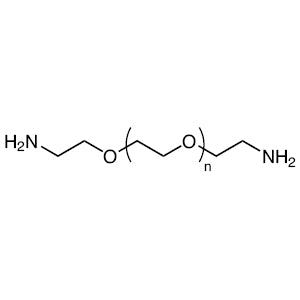
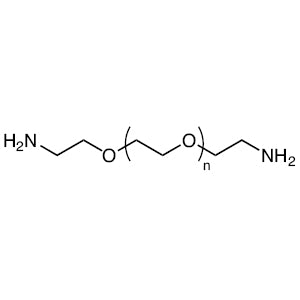
- TCI P2862 24991-53-5 PEG Diamine 8000
- TCI P2857 24991-53-5 PEG Diamine 2000
- TCI B4062 1263166-93-3 N-(1R,8S,9s)-Bicyclo[6.1.0]non-4-yn-9-ylmethyloxycarbonyl-1,8-diamino-3,6-dioxaoctane
- TCI M1962 7423-55-4 3-Maleimidopropionic Acid
- ELISA techniques benefit from this compound's ability to link antigens to biotin, enhancing detection sensitivity and specificity.
- Western blot analysis utilizes its covalent bonding properties to attach proteins to biotin, facilitating clear and accurate detection.
- Bioconjugation research relies on its stable and selective bonding to connect various biomolecules with biotin for targeted applications.
- Diagnostic assays use this compound to create biotinylated probes, improving the accuracy and reliability of medical testing.
- Molecular interaction studies leverage its reactivity to investigate how different molecules bind and interact in biological systems.
| Brand | TCI |
|---|---|
| CAS number | 305372-39-8 |
| Molecular formula | — |
| Purity | — |
| Category | Chemistry > Chemical Biology > Bioconjugation |
| Pack sizes | — |
| Physical form | — |
| Storage | Store in a cool, dry place away from light |
This compound should be stored in a cool, dry environment, away from direct light to maintain its chemical integrity. It is recommended to use airtight containers to prevent moisture absorption and contamination. Since it is a reactive chemical, it should be handled with appropriate personal protective equipment, such as gloves and safety goggles, to ensure laboratory safety. Proper ventilation is also essential when working with this material to minimize exposure. The compound is typically stored in a standard chemical storage cabinet, ensuring it remains stable and suitable for use in research applications. Always follow standard laboratory safety protocols when handling and storing this reagent.
—
Product Categories
- Biochemicals and ReagentsBioconjugationBiotins and Streptavidins
- Biochemicals and ReagentsBioconjugationPEGylation Reagents and PEG Spacers
- Pharmaceutical Development and Drug Discovery ResearchBioconjugationBiotins and Streptavidins
- Pharmaceutical Development and Drug Discovery ResearchBioconjugationPEGylation Reagents and PEG Spacers
Produk Terkait
-
N''-Biotinyl-6-aminohexanoylhydrazide TCI H1071
Regular price From Rp 2.359.350,00Regular priceRp 1.665.300,00Sale price From Rp 2.359.350,00 -
Nalpha-[(9H-Fluoren-9-ylmethoxy)carbonyl]-Nepsilon-biotinyl-L-lysine TCI F1042
Regular price Rp 2.411.850,00Regular priceRp 1.702.050,00Sale price Rp 2.411.850,00 -
PEGDiamine8000 TCI P2862
Regular price Rp 2.782.500,00Regular priceRp 1.945.650,00Sale price Rp 2.782.500,00 -
PEGDiamine2000 TCI P2857
Regular price Rp 2.782.500,00Regular priceRp 1.945.650,00Sale price Rp 2.782.500,00 -
N-(1R,8S,9s)-Bicyclo[6.1.0]non-4-yn-9-ylmethyloxycarbonyl-1,8-diamino-3,6-dioxaoctane TCI B4062
Regular price From Rp 4.452.000,00Regular priceRp 3.129.000,00Sale price From Rp 4.452.000,00 -
3-MaleimidopropionicAcid TCI M1962
Regular price From Rp 1.881.600,00Regular priceRp 1.331.400,00Sale price From Rp 1.881.600,00 -
Triptycene-1,4-diamine TCI T4164
Regular price From Rp 2.227.050,00Regular priceRp 1.572.900,00Sale price From Rp 2.227.050,00 -
N1-(Naphthalen-1-yl)-N4,N4-bis(4-(naphthalen-1-yl(phenyl)amino)phenyl)-N1-phenylbenzene-1,4-diamine TCI T3689
Regular price Rp 6.042.750,00Regular priceRp 4.240.950,00Sale price Rp 6.042.750,00