O-Benzoyl-N-methylhydroxylamine Hydrochloride is a chemical compound widely used in various laboratory reactions. It plays a crucial role in organic synthesis, particularly in reactions involving hydrolysis or substitution. This compound is valued for its stability and controlled reactivity, making it a reliable choice for precise chemical processes. Its molecular structure allows it to participate effectively in the formation of complex organic molecules, supporting a wide range of chemical research applications.
The compound is chemically stable under normal conditions and does not easily decompose, which ensures consistent performance in laboratory settings. It has a high density in solid form and dissolves well in organic solvents such as ethyl acetate and acetone. These properties make it highly suitable for reactions requiring high solubility and controlled reactivity. Its stability and solubility characteristics contribute to its popularity among chemists working in both academic and industrial research environments.
In Indonesian laboratories, O-Benzoyl-N-methylhydroxylamine Hydrochloride is extensively used in chemical research, particularly in organic synthesis and analytical chemistry. It is a common reagent in experiments conducted by research institutions and universities. Its reliability and versatility make it a preferred choice for researchers aiming to achieve precise and reproducible results in their experiments.
Related TCI products
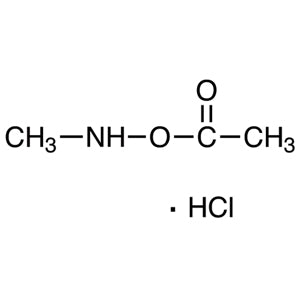
- TCI A2365 19689-95-3 O-Acetyl-N-methylhydroxylamine Hydrochloride
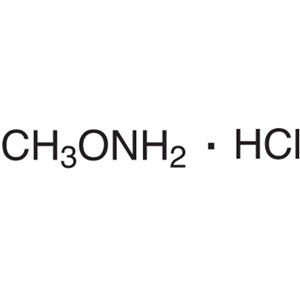
- TCI M0886 593-56-6 O-Methylhydroxylamine Hydrochloride (ca 40% in Water, ca 54mol/L)
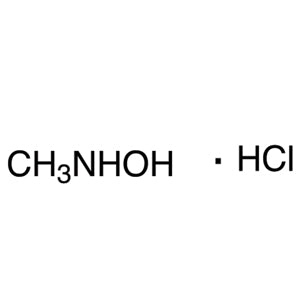
- TCI M0804 4229-44-1 N-Methylhydroxylamine Hydrochloride
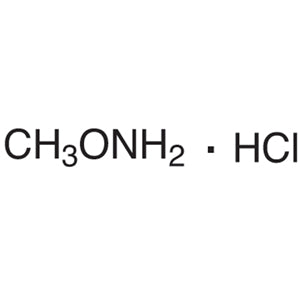
- TCI M0343 593-56-6 O-Methylhydroxylamine Hydrochloride
- TCI B4780 85006-25-3 N,O-Bis(tert-butoxycarbonyl)hydroxylamine
- TCI B4589 39684-28-1 O-(tert-Butyl)hydroxylamine Hydrochloride
- Organic Synthesis: This compound is ideal for synthesizing complex organic molecules due to its controlled reactivity and stability.
- Hydrolysis Reactions: It is commonly used in hydrolysis processes where precise chemical control is essential for product formation.
- Substitution Reactions: Its ability to participate in substitution reactions makes it valuable in creating new chemical compounds.
- Analytical Chemistry: It serves as a reagent in analytical procedures, aiding in the detection and quantification of specific compounds.
- Research Protocols: It is frequently incorporated into standardized research protocols to ensure consistency and accuracy in experimental outcomes.
| Brand | TCI |
|---|---|
| CAS number | 27130-46-7 |
| Molecular formula | — |
| Purity | — |
| Category | TCI |
| Pack sizes | Available in various quantities as per standard laboratory supply |
| Physical form | Solid |
| Storage | Store in a cool, dry place away from moisture and direct sunlight |
This compound should be stored in a cool, dry place, away from moisture and direct sunlight to maintain its stability and effectiveness. It is recommended to use airtight containers to prevent exposure to air and humidity. Proper labeling of storage containers is essential for safe handling and easy identification. Laboratory personnel should wear appropriate personal protective equipment, such as gloves and safety goggles, when handling this material. It is important to ensure good ventilation in the workspace to minimize any potential inhalation risks. The compound should not be stored near incompatible substances to avoid any chemical interactions. Following these safety measures ensures safe and effective use in laboratory environments.
—
Produk Terkait
-
O-Acetyl-N-methylhydroxylamineHydrochloride TCI A2365
Regular price From Rp 2.623.950,00Regular priceRp 1.850.100,00Sale price From Rp 2.623.950,00 -
O-MethylhydroxylamineHydrochloride(ca40%inWater,ca54mol/L) TCI M0886
Regular price Rp 1.538.250,00Regular priceRp 1.090.950,00Sale price Rp 1.538.250,00 -
N-MethylhydroxylamineHydrochloride TCI M0804
Regular price From Rp 2.041.200,00Regular priceRp 1.442.700,00Sale price From Rp 2.041.200,00 -
O-MethylhydroxylamineHydrochloride TCI M0343
Regular price From Rp 1.483.650,00Regular priceRp 1.053.150,00Sale price From Rp 1.483.650,00 -
N,O-Bis(tert-butoxycarbonyl)hydroxylamine TCI B4780
Regular price From Rp 1.431.150,00Regular priceRp 1.016.400,00Sale price From Rp 1.431.150,00 -
O-(tert-Butyl)hydroxylamineHydrochloride TCI B4589
Regular price From Rp 2.650.200,00Regular priceRp 1.869.000,00Sale price From Rp 2.650.200,00 -
N-(tert-Butyl)hydroxylamineHydrochloride TCI B1700
Regular price From Rp 1.378.650,00Regular priceRp 979.650,00Sale price From Rp 1.378.650,00