N-Benzyl-N,N'-dimethylethylenediamine (CAS No. 102-11-4) is a chemical compound widely used as a building block in organic synthesis. This versatile reagent plays a crucial role in the development of complex organic molecules by enabling various chemical reactions such as substitution, condensation, and reactions with different reagents. Its molecular structure provides a foundation for the formation of new chemical bonds, making it an essential tool in synthetic chemistry. In laboratory settings, it is particularly valuable for constructing larger molecular frameworks, especially in the synthesis of heterocyclic compounds and other organic derivatives.
The compound is known for its chemical stability under specific conditions, yet it exhibits high reactivity toward heat, catalysts, and strong reagents. This reactivity allows for the formation of complex molecular structures, making it a preferred choice for researchers aiming to create customized chemical compounds. Its ability to participate in multiple reaction types enhances its utility across various synthetic pathways, contributing to its widespread use in both academic and industrial research. The availability of this compound in different packaging formats further supports its application in both small-scale and large-scale experiments.
In Indonesian laboratories, N-Benzyl-N,N'-dimethylethylenediamine is commonly utilized in organic chemistry research, particularly within higher education institutions and research organizations. It is a key component in teaching and research activities, supporting the development of new chemical compounds and the advancement of synthetic methodologies. Its role in both educational and applied research makes it an indispensable material for chemists working in the field.
Related TCI products
- TCI D5616 244234-52-4 N,N-Dimethylethylenediamine Dihydroiodide
- TCI D5615 1245570-04-0 N,N-Dimethylethylenediamine Dihydrobromide
- TCI D0720 110-70-3 N,N'-Dimethylethylenediamine
- TCI D0719 108-00-9 N,N-Dimethylethylenediamine
- TCI T0742 142-25-6 N,N,N'-Trimethylethylenediamine
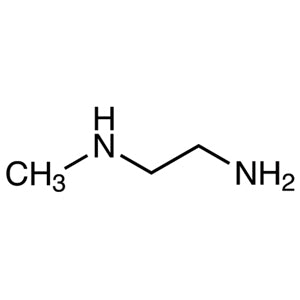
- TCI M0518 109-81-9 N-Methylethylenediamine
- Organic synthesis is a primary application where this compound serves as a versatile building block for creating complex molecular structures.
- Heterocyclic compound synthesis benefits from its reactivity, allowing for the formation of ring structures essential in pharmaceutical and agrochemical research.
- Condensation reactions are facilitated by its ability to participate in multiple chemical transformations, making it ideal for synthetic pathways.
- Teaching laboratories use it to demonstrate fundamental chemical reactions and molecular construction techniques.
- Industrial research applications rely on its stability and reactivity to develop new chemical products and materials.
| Brand | TCI |
|---|---|
| CAS number | 102-11-4 |
| Molecular formula | — |
| Purity | — |
| Category | Chemistry > Building Blocks > Non-Heterocyclic Building Blocks |
| Pack sizes | Available in various packaging options to suit different experimental needs |
| Physical form | Liquid |
| Storage | Store in a cool, dry place away from light and incompatible materials |
This compound should be stored in a cool, dry place, away from direct light and incompatible substances such as strong oxidizers or acids. It is recommended to use airtight containers made of materials that are chemically inert, such as glass or polyethylene. Due to its reactivity, it should be handled with care, using appropriate personal protective equipment like gloves and safety goggles. Avoid exposure to high temperatures and ensure proper ventilation in the workspace to minimize potential hazards. Always follow standard laboratory safety protocols when working with reactive chemicals to ensure a safe and controlled environment.
—
Produk Terkait
-
N,N-DimethylethylenediamineDihydroiodide TCI D5616
Regular price From Rp 795.900,00Regular priceRp 556.500,00Sale price From Rp 795.900,00 -
N,N-DimethylethylenediamineDihydrobromide TCI D5615
Regular price From Rp 505.050,00Regular priceRp 352.800,00Sale price From Rp 505.050,00 -
N,N'-Dimethylethylenediamine TCI D0720
Regular price From Rp 1.246.350,00Regular priceRp 871.500,00Sale price From Rp 1.246.350,00 -
N,N-Dimethylethylenediamine TCI D0719
Regular price From Rp 664.650,00Regular priceRp 464.100,00Sale price From Rp 664.650,00 -
N,N,N'-Trimethylethylenediamine TCI T0742
Regular price From Rp 1.220.100,00Regular priceRp 852.600,00Sale price From Rp 1.220.100,00 -
N-Methylethylenediamine TCI M0518
Regular price From Rp 1.908.900,00Regular priceRp 1.334.550,00Sale price From Rp 1.908.900,00 -
N-Ethylethylenediamine TCI E0294
Regular price From Rp 743.400,00Regular priceRp 519.750,00Sale price From Rp 743.400,00 -
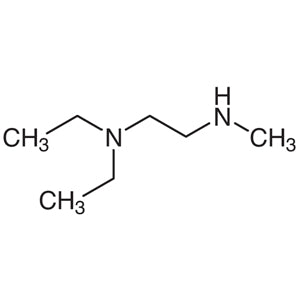
N,N-Diethyl-N'-methylethylenediamine TCI D1297
Regular price From Rp 1.378.650,00Regular priceRp 963.900,00Sale price From Rp 1.378.650,00