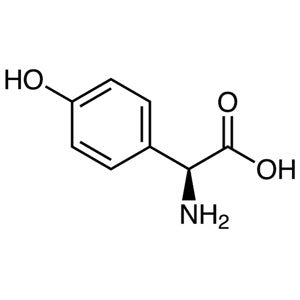
N-(tert-Butoxycarbonyl)-DL-2-phenylglycinol is a chemical compound widely used in organic synthesis reactions, particularly in the formation of complex molecules through cleavage or coupling reactions. As a building block in chemistry, it serves as a versatile reagent that can be transformed into various other compounds through specific chemical reactions. This compound plays a crucial role in laboratory settings where the synthesis of structured molecules is required. Its chemical structure is stable and allows for controlled reactivity under specific conditions, making it a reliable choice for synthetic chemists.
The compound’s tert-butoxycarbonyl group contributes to its reactivity, enabling it to undergo hydrolysis or cleavage reactions to yield other useful derivatives. These properties make it a preferred choice in the synthesis of complex organic molecules. Its solubility in organic solvents further enhances its utility, allowing for easy incorporation into a wide range of chemical reactions. This solubility and reactivity make it a valuable tool in both academic and industrial research environments.
In Indonesian laboratories, N-(tert-Butoxycarbonyl)-DL-2-phenylglycinol is commonly used in organic chemistry research, especially in the development of new compounds and pharmaceuticals. Its role in synthetic pathways is essential for creating structured molecules that are critical in drug discovery and chemical innovation. The compound’s stability and reactivity support its application in various research projects, contributing to the advancement of scientific knowledge and industrial applications.
Related TCI products
- TCI B3272 117049-14-6 N-(tert-Butoxycarbonyl)-L-2-phenylglycinol
- TCI B3270 102089-74-7 N-(tert-Butoxycarbonyl)-D-2-phenylglycinol
- TCI B3269 145149-48-0 N-(tert-Butoxycarbonyl)-DL-phenylalaninol
- TCI E0798 121-39-1 Ethyl 3-Phenylglycidate (cis- and trans- mixture)
- TCI B3230 33125-05-2 N-(tert-Butoxycarbonyl)-D-2-phenylglycine
- TCI B3211 2900-27-8 N-(tert-Butoxycarbonyl)-L-2-phenylglycine
- Organic synthesis is a key application where this compound is used to create complex molecules through cleavage or coupling reactions.
- Pharmaceutical research benefits from its role in the synthesis of drug-related compounds, supporting the development of new therapeutic agents.
- Industrial chemical production utilizes this compound as a building block for the creation of various chemical intermediates.
- Academic research in chemistry relies on its stability and reactivity for the synthesis of structured organic molecules.
- Drug discovery projects often incorporate this compound to explore new chemical pathways and molecular structures.
| Brand | TCI |
|---|---|
| CAS number | 67341-01-9 |
| Molecular formula | — |
| Purity | — |
| Category | Chemistry > Building Blocks > Non-Heterocyclic Building Blocks |
| Pack sizes | Available in various quantities as per supplier specifications |
| Physical form | Solid or powder, depending on the specific product variant |
| Storage | Store in a cool, dry place away from moisture and direct sunlight |
This compound should be stored in a cool, dry environment to maintain its chemical stability and prevent degradation. It is recommended to use airtight containers to protect it from moisture and air exposure. Since it is a reactive chemical, it should be handled with care, using appropriate personal protective equipment such as gloves and safety goggles. Avoid direct contact with skin and eyes, and ensure proper ventilation in the laboratory. The compound is best stored in a secure location away from incompatible materials to minimize the risk of chemical interactions. Regular monitoring of storage conditions is advised to ensure the compound remains in optimal condition for use.
—
Produk Terkait
-
N-(tert-Butoxycarbonyl)-L-2-phenylglycinol TCI B3272
Regular price From Rp 557.550,00Regular priceRp 405.300,00Sale price From Rp 557.550,00 -
N-(tert-Butoxycarbonyl)-D-2-phenylglycinol TCI B3270
Regular price From Rp 742.350,00Regular priceRp 534.450,00Sale price From Rp 742.350,00 -
N-(tert-Butoxycarbonyl)-DL-phenylalaninol TCI B3269
Regular price From Rp 795.900,00Regular priceRp 572.250,00Sale price From Rp 795.900,00 -
Ethyl3-Phenylglycidate(cis-andtrans-mixture) TCI E0798
Regular price Rp 530.250,00Regular priceRp 386.400,00Sale price Rp 530.250,00 -
N-(tert-Butoxycarbonyl)-D-2-phenylglycine TCI B3230
Regular price From Rp 505.050,00Regular priceRp 368.550,00Sale price From Rp 505.050,00 -
N-(tert-Butoxycarbonyl)-L-2-phenylglycine TCI B3211
Regular price From Rp 875.700,00Regular priceRp 627.900,00Sale price From Rp 875.700,00 -
N-Acetyl-DL-2-phenylglycine TCI A2687
Regular price Rp 1.220.100,00Regular priceRp 868.350,00Sale price Rp 1.220.100,00 -
4-Hydroxy-L-(+)-2-phenylglycine TCI H1389
Regular price From Rp 2.121.000,00Regular priceRp 1.498.350,00Sale price From Rp 2.121.000,00