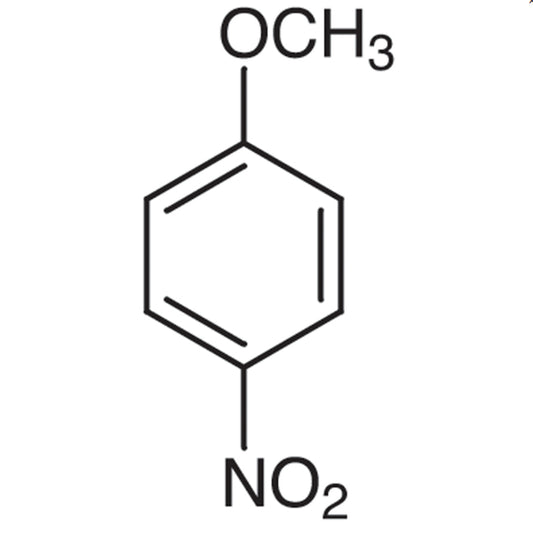
4-Bromo-3-nitroanisole is a chemical compound widely used as a building block in the synthesis of complex molecules. It serves as a key reagent in organic chemistry laboratories, where its unique structural features enable participation in various reaction mechanisms. This compound is particularly valuable for its ability to undergo electrophilic substitution and nitration reactions, making it an essential component in the development of new chemical entities. Its role in synthetic pathways is critical for researchers aiming to create compounds with specific functional groups and molecular architectures.
The compound’s high reactivity, combined with its stable chemical structure, makes it a preferred choice for laboratory applications. The presence of both bromo and nitro substituents contributes to its polarity and solubility in organic solvents, which facilitates its use in a wide range of chemical processes. These properties allow it to interact effectively with reagents such as sulfuric acid, sodium hydroxide, and alkali metals, enhancing its versatility in different experimental setups. Its controlled reactivity ensures predictable outcomes in chemical reactions, which is crucial for reproducibility in research.
In Indonesian laboratories, 4-Bromo-3-nitroanisole is commonly used in organic chemistry research, particularly in the synthesis of heterocyclic compounds and pharmaceuticals. It is also an integral part of academic and research institutions' experiments, supporting both educational and investigative activities. Its availability and reliability make it a standard material for advanced chemical studies in the region.
- Organic synthesis of heterocyclic compounds due to its bromo and nitro groups enabling functional group transformations.
- Nitration reactions where the nitro group can be further modified to create diverse chemical structures.
- Electrophilic substitution reactions as a versatile starting material for various synthetic pathways.
- Educational experiments in university settings to demonstrate reaction mechanisms and chemical reactivity.
- Research applications in pharmaceutical development for the synthesis of bioactive compounds.
| Brand | TCI |
|---|---|
| CAS number | 5344-78-5 |
| Molecular formula | — |
| Purity | — |
| Category | Chemistry > Building Blocks > Non-Heterocyclic Building Blocks |
| Pack sizes | Available in standard laboratory quantities |
| Physical form | Solid |
| Storage | Store in a cool, dry place away from light and incompatible materials |
This compound should be stored in a cool, dry environment, away from direct sunlight and sources of heat. It is recommended to keep it in a tightly sealed container to prevent moisture absorption and contamination. Due to its reactivity, it should be handled in a well-ventilated area, with appropriate personal protective equipment such as gloves and safety goggles. Avoid contact with strong acids or bases, as it may react vigorously. Ensure proper disposal in accordance with local hazardous waste regulations. Always follow standard laboratory safety protocols when working with reactive chemicals.
—
Produk Terkait
-
3-Bromo-5-nitroanisole TCI B4973
Regular price From Rp 1.590.750,00Regular priceRp 1.111.950,00Sale price From Rp 1.590.750,00 -
4-Bromo-2-nitroanisole TCI B4010
Regular price Rp 1.167.600,00Regular priceRp 815.850,00Sale price Rp 1.167.600,00 -
3-Bromo-2-nitroanisole TCI B3486
Regular price From Rp 1.405.950,00Regular priceRp 982.800,00Sale price From Rp 1.405.950,00 -
2-Bromo-5-nitroanisole TCI B3418
Regular price Rp 1.565.550,00Regular priceRp 1.094.100,00Sale price Rp 1.565.550,00 -
2-Bromo-4-nitroanisole TCI B2830
Regular price Rp 2.094.750,00Regular priceRp 1.464.750,00Sale price Rp 2.094.750,00 -
4-Nitroanisole TCI N0126
Regular price From Rp 769.650,00Regular priceRp 537.600,00Sale price From Rp 769.650,00 -
2-Nitroanisole TCI N0125
Regular price From Rp 689.850,00Regular priceRp 481.950,00Sale price From Rp 689.850,00 -
3-Nitroanisole TCI N0124
Regular price Rp 4.957.050,00Regular priceRp 3.466.050,00Sale price Rp 4.957.050,00