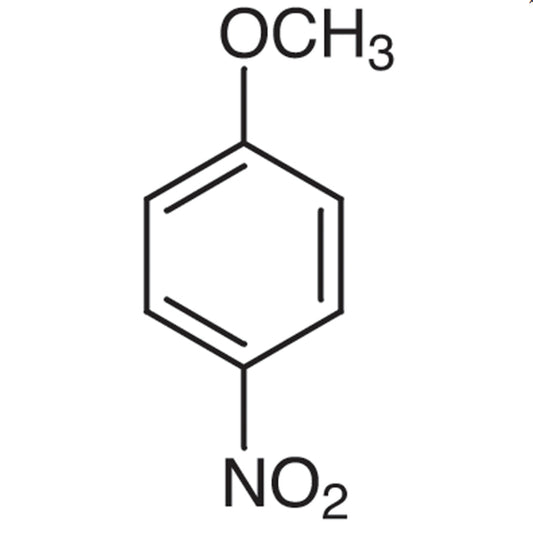
2-Nitroanisole is a chemical compound widely used as a building block in various chemical reactions, particularly in the synthesis of complex aromatic compounds. This compound is derived from anisole by substituting the methoxy group with a nitro group, which significantly enhances its reactivity. In the laboratory, it serves as a key reagent for the development of heterocyclic compounds, pharmaceuticals, and industrial chemicals. Its versatility makes it an essential component in organic chemistry research.
The chemical properties of 2-Nitroanisole make it a preferred choice for synthetic applications. It exhibits stability under controlled conditions but is sensitive to high temperatures and UV light exposure. Despite its low flammability, it can cause skin and eye irritation if not handled properly. The presence of the nitro group enhances its ability to participate in substitution and condensation reactions, making it a valuable reagent in synthetic pathways.
In Indonesian laboratories, 2-Nitroanisole is commonly used in organic chemistry research, especially in academic and research institutions. Its availability, stability, and wide range of applications make it a popular choice for both educational and industrial research. It is often selected for its reliability and consistent performance in chemical synthesis processes.
- Organic Synthesis: 2-Nitroanisole is widely used in the synthesis of aromatic compounds due to its reactivity and ability to participate in substitution reactions.
- Pharmaceutical Research: It serves as a precursor in the development of various pharmaceutical compounds, particularly those involving aromatic ring structures.
- Industrial Chemistry: The compound is utilized in the production of industrial chemicals, where its stability and reactivity contribute to efficient synthesis processes.
- Educational Laboratories: It is commonly used in teaching labs to demonstrate substitution and condensation reactions, providing students with hands-on experience in organic chemistry.
- Heterocyclic Compound Synthesis: Its nitro group allows for the formation of complex heterocyclic structures, making it a valuable reagent in advanced chemical research.
| Brand | TCI |
|---|---|
| CAS number | 91-23-6 |
| Molecular formula | — |
| Purity | — |
| Category | Chemistry > Building Blocks > Non-Heterocyclic Building Blocks |
| Pack sizes | Available in various quantities as per standard laboratory supply |
| Physical form | Solid |
| Storage | Store in a cool, dry place away from direct sunlight and heat sources |
2-Nitroanisole should be stored in a cool, dry environment to maintain its stability and prevent degradation. It is recommended to keep it in a tightly sealed container to minimize exposure to air and moisture. Due to its potential to cause skin and eye irritation, appropriate personal protective equipment such as gloves and safety goggles should be worn during handling. Avoid prolonged contact with the skin and ensure proper ventilation in the workspace. The compound should be kept away from heat sources and direct sunlight to prevent any unwanted reactions. Regular monitoring of storage conditions is essential to ensure the compound remains safe and effective for laboratory use.
—
Produk Terkait
-
3-Bromo-5-nitroanisole TCI B4973
Regular price From Rp 1.590.750,00Regular price -
4-Bromo-2-nitroanisole TCI B4010
Regular price Rp 1.167.600,00Regular price -
3-Bromo-2-nitroanisole TCI B3486
Regular price From Rp 1.405.950,00Regular price -
4-Bromo-3-nitroanisole TCI B3420
Regular price From Rp 795.900,00Regular price -
2-Bromo-5-nitroanisole TCI B3418
Regular price Rp 1.565.550,00Regular price -
2-Bromo-4-nitroanisole TCI B2830
Regular price Rp 2.094.750,00Regular price -
4-Nitroanisole TCI N0126
Regular price From Rp 769.650,00Regular price -
3-Nitroanisole TCI N0124
Regular price Rp 4.957.050,00Regular price