2,3-Bis(4-bromophenyl)-2-butenedinitrile is a chemical compound widely used in organic reactions for the synthesis of complex molecules. This compound plays a critical role in laboratory settings where precision and controlled reactivity are essential. Its unique molecular structure features two bromo groups on the phenyl ring and two nitrile groups on the butene chain, making it a versatile building block for various synthetic pathways. Due to its structural stability and predictable reactivity, it is a preferred choice for chemists working on intricate molecular designs.
The compound’s chemical properties, including its stability and controlled reactivity, make it an ideal candidate for high-precision reactions. Its ability to participate in substitution and copolymerization reactions without generating unwanted byproducts ensures efficient and reproducible results. The nitrile groups contribute to its reactivity, enabling it to undergo a range of chemical transformations under appropriate conditions. These characteristics make it a reliable reagent in both academic and industrial research environments.
In Indonesian laboratories, 2,3-Bis(4-bromophenyl)-2-butenedinitrile is commonly used in organic chemistry research, particularly in the synthesis of complex compounds and the development of new chemical materials. Its specific structure and reactivity make it a valuable tool for researchers aiming to create compounds with precise molecular configurations. It is also frequently used in studies requiring controlled chemical transformations and in the exploration of novel synthetic methods.
Related TCI products
- Organic synthesis of complex compounds due to its reactivity and structural versatility.
- Copolymerization reactions where controlled chain growth is essential for polymer design.
- Substitution reactions in aromatic rings, leveraging bromo groups for selective functionalization.
- Development of heterocyclic compounds through nucleophilic attack on nitrile groups.
- Research in industrial chemical production requiring stable and predictable reagents.
| Brand | TCI |
|---|---|
| CAS number | 315203-26-0 |
| Molecular formula | — |
| Purity | — |
| Category | Chemistry > Building Blocks > Non-Heterocyclic Building Blocks |
| Pack sizes | As per supplier specifications |
| Physical form | Solid (as per standard product description) |
| Storage | Store in a cool, dry place away from light and incompatible materials. |
This compound should be stored in a cool, dry environment, away from direct sunlight and sources of heat. It is recommended to use airtight containers made of materials compatible with organic chemicals, such as glass or high-density polyethylene. Due to its bromo substituents, it may react with strong oxidizing agents or incompatible substances, so proper isolation is essential. Always ensure good ventilation when handling and avoid exposure to moisture. Laboratory personnel should wear appropriate personal protective equipment, including gloves and safety goggles, to minimize risk during handling and use.
—
Produk Terkait
-
Bis(4-bromophenyl)amine TCI B2684
Regular price From Rp 637.350,00Regular priceRp 445.200,00Sale price From Rp 637.350,00 -
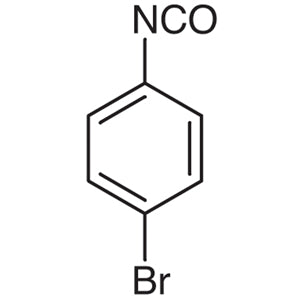
4-BromophenylIsocyanate TCI B0636
Regular price From Rp 2.279.550,00Regular priceRp 1.593.900,00Sale price From Rp 2.279.550,00 -
3-BromophenylIsocyanate TCI I0553
Regular price From Rp 2.254.350,00Regular priceRp 1.576.050,00Sale price From Rp 2.254.350,00 -
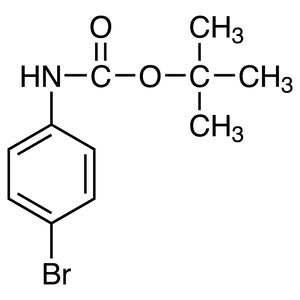
tert-Butyl(4-Bromophenyl)carbamate TCI D6027
Regular price From Rp 822.150,00Regular priceRp 590.100,00Sale price From Rp 822.150,00 -
Bis(2-bromophenyl)amine TCI B6972
Regular price From Rp 1.087.800,00Regular priceRp 760.200,00Sale price From Rp 1.087.800,00 -
2-(4-Bromophenyl)-2-methylpropanenitrile TCI B5950
Regular price From Rp 875.700,00Regular priceRp 627.900,00Sale price From Rp 875.700,00 -
3-Hexenedinitrile TCI H0357
Regular price From Rp 1.538.250,00Regular priceRp 1.090.950,00Sale price From Rp 1.538.250,00 -
Undecanedinitrile TCI U0059
Regular price From Rp 1.961.400,00Regular priceRp 1.387.050,00Sale price From Rp 1.961.400,00