Benzylhydrazine Dihydrochloride is a chemical compound widely used in laboratory settings for its versatility in organic synthesis. As a building block, it plays a crucial role in the development of complex molecules, particularly in the formation of heterocyclic compounds and functionalized structures. Its ability to participate in various chemical reactions makes it an essential reagent for chemists and researchers working on advanced synthetic pathways. This compound is commonly found in research laboratories where the creation of new chemical entities is a priority.
One of the key properties that make Benzylhydrazine Dihydrochloride a preferred choice is its solubility in organic solvents, which facilitates its use in a wide range of reaction conditions. It exhibits stability under controlled environments, yet remains highly reactive when exposed to specific reagents or elevated temperatures. These characteristics allow it to be a reliable component in both academic and industrial research, offering consistent performance across different experimental setups. Its reactivity also supports its application in condensation, substitution, and hydrazinization reactions, making it a versatile tool in organic chemistry.
In Indonesian laboratories, Benzylhydrazine Dihydrochloride is extensively used in pharmaceutical and industrial chemical research. It is a key component in the synthesis of pharmacological compounds and functional materials. Researchers and students in higher education institutions and research centers rely on this compound for its reliability and effectiveness in complex chemical processes. Its widespread use highlights its importance in advancing chemical innovation in the region.
Related TCI products
- TCI B1396 1073-62-7 Benzylhydrazine Monohydrochloride
- TCI D2132 5802-60-8 N,N-Dibenzylhydrazine
- TCI X0080 89690-11-9 Xylemin Dihydrochloride
- TCI B2318 1820706-16-8 (+/-)-1,2-Bis(2,4,6-trimethylphenyl)ethylenediamine Dihydrochloride
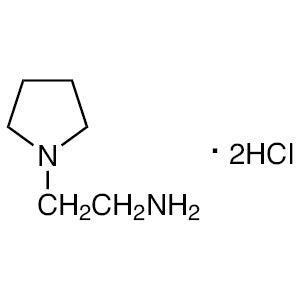
- TCI A3393 65592-36-1 2-(1-Pyrrolidinyl)ethanamine Dihydrochloride
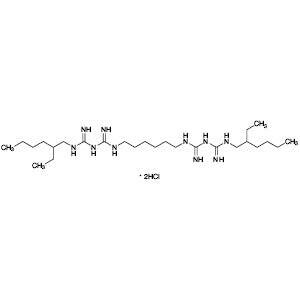
- TCI A3389 1715-30-6 Alexidine Dihydrochloride
- Organic synthesis is a primary application where Benzylhydrazine Dihydrochloride is used to build complex molecular structures through various reaction mechanisms.
- Pharmaceutical research benefits from this compound due to its role in the synthesis of drug molecules and bioactive compounds.
- Industrial chemical production utilizes this reagent for the creation of functional materials and specialty chemicals.
- Academic research in chemistry relies on Benzylhydrazine Dihydrochloride for its versatility in reaction pathways and stability.
- Analytical chemistry applications take advantage of its solubility and reactivity for the development of new analytical methods.
| Brand | TCI |
|---|---|
| CAS number | 20570-96-1 |
| Molecular formula | — |
| Purity | — |
| Category | Chemistry > Building Blocks > Non-Heterocyclic Building Blocks |
| Pack sizes | Available in various quantities as per standard laboratory supply |
| Physical form | Solid powder |
| Storage | Store in a cool, dry place away from moisture and direct sunlight |
Benzylhydrazine Dihydrochloride should be stored in a cool, dry environment to maintain its chemical stability. It is recommended to keep the compound in a sealed container to prevent exposure to moisture and air. Suitable storage conditions include a controlled temperature range of 15–25°C. Laboratory personnel should handle the compound with care, using appropriate personal protective equipment such as gloves and safety goggles. Due to its reactivity, it should be stored away from incompatible substances like strong oxidizers. Regular inspection of storage conditions ensures the compound remains in optimal condition for use in research applications.
—
Produk Terkait
-
BenzylhydrazineMonohydrochloride TCI B1396
Regular price From Rp 3.815.700,00Regular priceRp 2.683.800,00Sale price From Rp 3.815.700,00 -
N,N-Dibenzylhydrazine TCI D2132
Regular price Rp 2.969.400,00Regular priceRp 2.091.600,00Sale price Rp 2.969.400,00 -
XyleminDihydrochloride TCI X0080
Regular price From Rp 2.518.950,00Regular priceRp 1.760.850,00Sale price From Rp 2.518.950,00 -
(+/-)-1,2-Bis(2,4,6-trimethylphenyl)ethylenediamineDihydrochloride TCI B2318
Regular price From Rp 5.405.400,00Regular priceRp 3.795.750,00Sale price From Rp 5.405.400,00 -
2-(1-Pyrrolidinyl)ethanamineDihydrochloride TCI A3393
Regular price Rp 1.934.100,00Regular priceRp 1.368.150,00Sale price Rp 1.934.100,00 -
AlexidineDihydrochloride TCI A3389
Regular price From Rp 1.988.700,00Regular priceRp 1.405.950,00Sale price From Rp 1.988.700,00 -
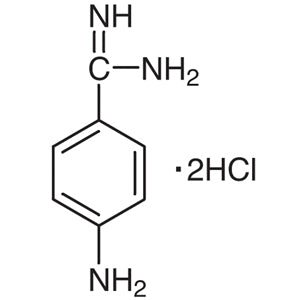
4-AminobenzamidineDihydrochloride TCI A2115
Regular price From Rp 2.279.550,00Regular priceRp 1.609.650,00Sale price From Rp 2.279.550,00 -
DimethylAdipimidateDihydrochloride[Cross-linkingAgentforProteinResearch] TCI A0806
Regular price From Rp 1.934.100,00Regular priceRp 1.368.150,00Sale price From Rp 1.934.100,00