1-Butyl-3-methylimidazolium Tribromide is an ionic liquid widely utilized in chemical reactions and synthesis processes within laboratory settings. As a key component in specialty synthesis, it serves as a versatile solvent and reaction medium, offering unique chemical and physical properties that enhance the efficiency of various experimental procedures. Its non-volatile nature and high thermal stability make it an ideal choice for applications requiring long-term use without degradation. This material is particularly valuable in modern chemical research, where stability and reproducibility are critical.
The properties of 1-Butyl-3-methylimidazolium Tribromide, including its high boiling point and excellent solvating ability, make it a preferred choice for a wide range of chemical applications. Its ionic structure, composed of a cationic imidazolium and bromide anion, provides specific chemical behavior that is beneficial in catalytic and electrochemical processes. The material is non-hygroscopic and non-corrosive, which enhances its safety profile and usability in diverse experimental environments. These characteristics contribute to its reliability and effectiveness in both academic and industrial research.
In Indonesian laboratories, this ionic liquid is commonly used in chemical research and material science applications. It is frequently employed in synthesis experiments and material characterization due to its inertness and stability. Many research institutions and universities in Indonesia incorporate this compound into their experimental protocols, highlighting its importance in advancing scientific knowledge and technological innovation. Its availability through AMI Scientific ensures that it is accessible for use in both educational and professional settings.
TCI brochures (PDF)
- Halogenation Reagents 2026-04-03 · p. 6
- Ionic Liquids 2026-06-08 · p. 7
Related TCI products
- TCI B5487 878027-73-7 1-Butyl-3-methylimidazolium Tricyanomethanide
- TCI B5447 448245-52-1 1-Butyl-3-methylimidazolium Dicyanamide
- TCI B4091 344790-87-0 1-Butyl-3-methylimidazolium Thiocyanate
- TCI B3542 741677-68-9 1-Butyl-3-methylimidazolium Trifluoro(trifluoromethyl)borate
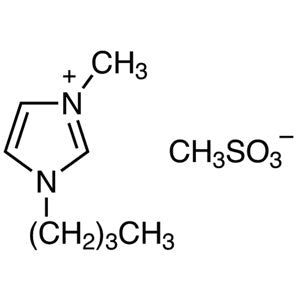
- TCI B3231 342789-81-5 1-Butyl-3-methylimidazolium Methanesulfonate
- TCI B2708 65039-05-6 1-Butyl-3-methylimidazolium Iodide
- Used in electrochemical studies due to its stable ionic structure and non-corrosive nature, making it suitable for battery research and corrosion testing.
- Applied in catalytic reactions as a solvent due to its high solvating power and thermal stability, enhancing reaction efficiency and selectivity.
- Utilized in material synthesis for its ability to dissolve a wide range of substances, supporting the creation of novel polymers and nanomaterials.
- Employed in analytical chemistry for its inert properties, allowing accurate and reproducible results in spectroscopic and chromatographic analyses.
- Integrated into green chemistry initiatives because of its non-volatile nature, reducing environmental impact compared to traditional organic solvents.
| Brand | TCI |
|---|---|
| CAS number | 820965-08-0 |
| Molecular formula | — |
| Purity | — |
| Category | Chemistry > Specialty Synthesis > Ionic Liquids |
| Pack sizes | 100g, 500g, 1kg |
| Physical form | Solid powder |
| Storage | Store in a cool, dry place away from light and moisture |
This ionic liquid should be stored in a cool, dry environment, away from direct sunlight and sources of heat. It is recommended to use airtight containers made of glass or high-density polyethylene to prevent contamination and maintain its chemical integrity. Due to its non-volatile nature, it does not require refrigeration but should be kept in a well-ventilated area to ensure safe handling. Laboratory personnel should wear appropriate personal protective equipment, including gloves and safety goggles, when handling this material. It is important to avoid inhalation of dust and ensure proper disposal in accordance with local regulations to maintain a safe and compliant laboratory environment.
—
Product Categories
Produk Terkait
-
1-Butyl-3-methylimidazoliumTricyanomethanide TCI B5487
Regular price From Rp 1.856.400,00Regular priceRp 1.313.550,00Sale price From Rp 1.856.400,00 -
1-Butyl-3-methylimidazoliumDicyanamide TCI B5447
Regular price From Rp 1.749.300,00Regular priceRp 1.239.000,00Sale price From Rp 1.749.300,00 -
1-Butyl-3-methylimidazoliumThiocyanate TCI B4091
Regular price From Rp 1.167.600,00Regular priceRp 831.600,00Sale price From Rp 1.167.600,00 -
1-Butyl-3-methylimidazoliumTrifluoro(trifluoromethyl)borate TCI B3542
Regular price Rp 3.312.750,00Regular priceRp 2.332.050,00Sale price Rp 3.312.750,00 -
1-Butyl-3-methylimidazoliumMethanesulfonate TCI B3231
Regular price From Rp 848.400,00Regular priceRp 609.000,00Sale price From Rp 848.400,00 -
1-Butyl-3-methylimidazoliumIodide TCI B2708
Regular price From Rp 1.590.750,00Regular priceRp 1.127.700,00Sale price From Rp 1.590.750,00 -
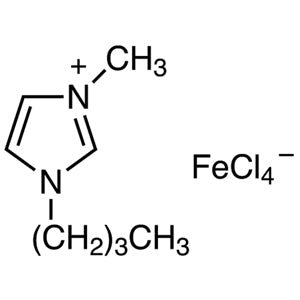
1-Butyl-3-methylimidazoliumTetrachloroferrate TCI B2672
Regular price From Rp 1.431.150,00Regular priceRp 1.016.400,00Sale price From Rp 1.431.150,00 -
1-Butyl-3-methylimidazoliumBis(trifluoromethanesulfonyl)imide TCI B2477
Regular price From Rp 1.351.350,00Regular priceRp 960.750,00Sale price From Rp 1.351.350,00