1-(tert-Butoxycarbonyl)-2-piperidone is a chemical compound widely used in organic reactions for the synthesis of heterocyclic compounds. It serves as a key building block in the development of complex piperidine structures, which are fundamental in various chemical applications. In laboratory settings, this compound is essential for the production of substances with specific biological activities, such as pharmaceuticals and industrial chemicals. Its role is critical in advancing research in organic chemistry, particularly in the design of molecules with tailored functional properties.
The compound is valued for its stable chemical structure and its ability to participate in substitution and reduction reactions. These properties make it a reliable reagent for controlled chemical transformations. Its good solubility in organic solvents simplifies dissolution and reaction processes, enhancing its usability in laboratory procedures. This solubility characteristic ensures efficient handling and integration into synthetic pathways, making it a preferred choice for researchers seeking predictable and reproducible results.
In Indonesian laboratories, 1-(tert-Butoxycarbonyl)-2-piperidone is commonly used by chemists, pharmacologists, and biochemists in the development of new compounds. It plays a significant role in pharmacological compound synthesis and in pure chemical research. Its relevance extends to the creation of active pharmaceutical ingredients and the exploration of chemical structures with potential therapeutic applications.
Related TCI products
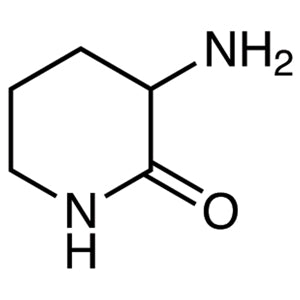
- TCI A2417 1892-22-4 3-Amino-2-piperidone
- TCI D2753 86917-58-0 1,5-Dimethyl-2-piperidone
- TCI B5217 1153949-11-1 1-(tert-Butoxycarbonyl)-3-(cyanomethylene)azetidine
- TCI B5160 177947-96-5 1-(tert-Butoxycarbonyl)azetidine-3-carboxaldehyde
- TCI B4806 188345-71-3 2-(tert-Butoxycarbonyl)-2-azabicyclo[2.2.1]hept-5-ene
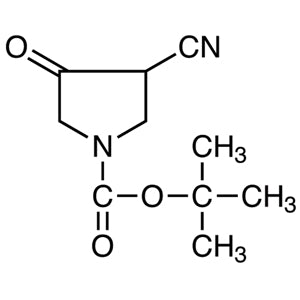
- TCI B4761 175463-32-8 1-tert-Butoxycarbonyl-3-cyano-4-pyrrolidone
- Synthesis of heterocyclic compounds for pharmaceutical research due to its reactivity and structural versatility.
- Development of complex piperidine derivatives in organic chemistry for drug discovery and molecular design.
- Preparation of biologically active molecules in biochemical studies to explore new therapeutic agents.
- Creation of functionalized compounds in medicinal chemistry for targeted drug development.
- Investigation of chemical reactivity in synthetic pathways for advanced organic transformations.
| Brand | TCI |
|---|---|
| CAS number | 85908-96-9 |
| Molecular formula | — |
| Purity | — |
| Category | Chemistry > Building Blocks > Heterocyclic Building Blocks |
| Pack sizes | Available in various quantities as per standard laboratory supply |
| Physical form | Solid or liquid, depending on formulation |
| Storage | Store in a cool, dry place away from light and moisture |
This compound should be stored in a cool, dry environment, away from direct light and moisture to maintain its chemical integrity. It is recommended to use airtight containers to prevent exposure to air and humidity, which may affect its stability. In laboratory settings, proper ventilation should be ensured when handling the compound to minimize inhalation risks. Personal protective equipment, such as gloves and safety goggles, should be worn during handling to ensure safety. The compound should be kept in a secure location, away from incompatible materials to prevent any potential chemical interactions. Regular monitoring of storage conditions is advised to ensure optimal preservation and usability of the material.
—
Produk Terkait
-
3-Amino-2-piperidone TCI A2417
Regular price From Rp 3.630.900,00Regular priceRp 2.554.650,00Sale price From Rp 3.630.900,00 -
1,5-Dimethyl-2-piperidone TCI D2753
Regular price Rp 3.735.900,00Regular priceRp 2.628.150,00Sale price Rp 3.735.900,00 -
1-(tert-Butoxycarbonyl)-3-(cyanomethylene)azetidine TCI B5217
Regular price From Rp 875.700,00Regular priceRp 627.900,00Sale price From Rp 875.700,00 -
1-(tert-Butoxycarbonyl)azetidine-3-carboxaldehyde TCI B5160
Regular price From Rp 1.881.600,00Regular priceRp 1.331.400,00Sale price From Rp 1.881.600,00 -
2-(tert-Butoxycarbonyl)-2-azabicyclo[2.2.1]hept-5-ene TCI B4806
Regular price Rp 2.464.350,00Regular priceRp 1.738.800,00Sale price Rp 2.464.350,00 -
1-tert-Butoxycarbonyl-3-cyano-4-pyrrolidone TCI B4761
Regular price From Rp 742.350,00Regular priceRp 534.450,00Sale price From Rp 742.350,00 -
1-(tert-Butoxycarbonyl)-3-pyrrolidinemethanol TCI B4249
Regular price From Rp 2.173.500,00Regular priceRp 1.535.100,00Sale price From Rp 2.173.500,00 -
1-(tert-Butoxycarbonyl)-3-azetidinemethanol TCI B3992
Regular price Rp 2.279.550,00Regular priceRp 1.609.650,00Sale price Rp 2.279.550,00