Benzocyclobutene (BCB) is a chemical compound characterized by an aromatic ring structure and unique reactivity. It serves as a fundamental building block in organic chemistry, enabling the synthesis of complex molecules through various chemical reactions. In the laboratory, BCB is valued for its versatility and stability, making it a key component in research and development activities. Its ability to undergo controlled chemical transformations allows scientists to create a wide range of derivatives, expanding its utility across different scientific disciplines.
BCB is known for its chemical stability and controlled reactivity, which make it a preferred choice in laboratory settings. The compound exhibits a high boiling point and resistance to decomposition, ensuring consistent performance during experiments. These properties simplify handling and storage, reducing the risk of unwanted chemical changes. Its stability also contributes to the reliability of experimental outcomes, making it a trusted material for researchers who require precision and consistency in their work.
In Indonesian laboratories, BCB is commonly used in organic chemistry and material science research. It plays a crucial role in the synthesis of new compounds, polymer development, and studies on chemical reactivity. Its presence in scientific research underscores its importance as a reliable and versatile reagent. The compound’s consistent performance and predictable behavior make it a valuable asset in both academic and industrial research environments.
Related TCI products
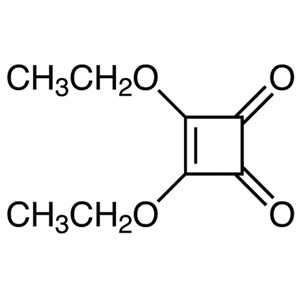
- TCI D3253 5231-87-8 3,4-Diethoxy-3-cyclobutene-1,2-dione
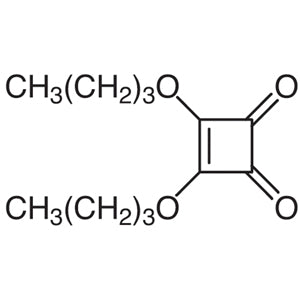
- TCI D2203 2892-62-8 3,4-Dibutoxy-3-cyclobutene-1,2-dione
- TCI D2099 5222-73-1 3,4-Dimethoxy-3-cyclobutene-1,2-dione
- TCI D1399 2892-51-5 3,4-Dihydroxy-3-cyclobutene-1,2-dione
- TCI D2207 61699-62-5 3,4-Diisopropoxy-3-cyclobutene-1,2-dione
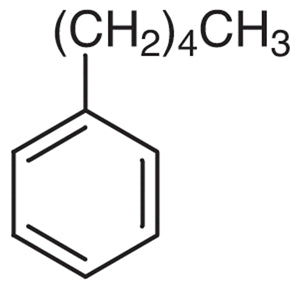
- TCI A0449 538-68-1 Amylbenzene
- Organic synthesis applications benefit from BCB's ability to participate in controlled chemical reactions, allowing the creation of complex molecular structures.
- Polymer development projects utilize BCB as a building block due to its stability and reactivity, enabling the design of new materials with tailored properties.
- Material science research incorporates BCB to study the behavior of aromatic compounds under various conditions, contributing to the understanding of chemical reactivity.
- Chemical reactivity studies rely on BCB's predictable response to different reaction conditions, providing valuable data for experimental analysis.
- Industrial research and development uses BCB as a key reagent in the formulation of advanced chemical products, supporting innovation in multiple sectors.
| Brand | TCI |
|---|---|
| CAS number | 694-87-1 |
| Molecular formula | — |
| Purity | — |
| Category | Chemistry > Building Blocks > Non-Heterocyclic Building Blocks |
| Pack sizes | As listed on product page |
| Physical form | Solid |
| Storage | Store in a cool, dry place away from light |
Benzocyclobutene should be stored in a cool, dry environment, away from direct light to maintain its chemical integrity. It is recommended to use sealed containers to prevent exposure to moisture and air, which could affect its stability. Due to its high boiling point and resistance to decomposition, BCB is relatively stable under standard laboratory conditions. However, it is important to handle the compound with care to avoid any potential chemical interactions. Proper labeling of containers is essential for safety and traceability. In laboratory settings, BCB should be kept in a well-ventilated area to ensure safe handling and minimize any risk of accidental exposure.
—
Produk Terkait
-
3,4-Diethoxy-3-cyclobutene-1,2-dione TCI D3253
Regular price From Rp 2.068.500,00Regular priceRp 1.461.600,00Sale price From Rp 2.068.500,00 -
3,4-Dibutoxy-3-cyclobutene-1,2-dione TCI D2203
Regular price From Rp 2.306.850,00Regular priceRp 1.628.550,00Sale price From Rp 2.306.850,00 -
3,4-Dimethoxy-3-cyclobutene-1,2-dione TCI D2099
Regular price From Rp 900.900,00Regular priceRp 645.750,00Sale price From Rp 900.900,00 -
3,4-Dihydroxy-3-cyclobutene-1,2-dione TCI D1399
Regular price From Rp 1.458.450,00Regular priceRp 1.019.550,00Sale price From Rp 1.458.450,00 -
3,4-Diisopropoxy-3-cyclobutene-1,2-dione TCI D2207
Regular price From Rp 3.100.650,00Regular priceRp 2.184.000,00Sale price From Rp 3.100.650,00 -
Amylbenzene TCI A0449
Regular price From Rp 1.353.450,00Regular priceRp 946.050,00Sale price From Rp 1.353.450,00 -
Anthracene TCI A0495
Regular price From Rp 584.850,00Regular priceRp 408.450,00Sale price From Rp 584.850,00