1-(4-Bromophenyl)pyrrolidine is a chemical compound widely used in laboratory settings as a building block for the synthesis of heterocyclic compounds. This compound plays a vital role in organic chemistry, particularly in the development of molecules with specific biological activities. Its complex structure enables it to participate in various chemical reactions, making it a valuable tool for researchers working on drug discovery and synthetic chemistry. Due to its versatility, it is frequently used in both academic and industrial research environments.
The compound’s reactivity, especially at the bromo group, makes it a preferred choice for substitution and electrophilic reactions. Its heterocyclic structure provides stability, which is essential for successful synthetic processes. Additionally, its good solubility in organic solvents simplifies purification and isolation steps. These properties make it an essential component in the development of new therapeutic agents and chemical compounds.
In Indonesian laboratories, 1-(4-Bromophenyl)pyrrolidine is commonly used in research related to pharmacology and organic synthesis. It is a key reagent in the development of new drugs and chemical compounds with potential medical applications. Many research institutions and universities in Indonesia rely on this compound for their experimental work, contributing to advancements in chemical science and pharmaceutical research.
Related TCI products
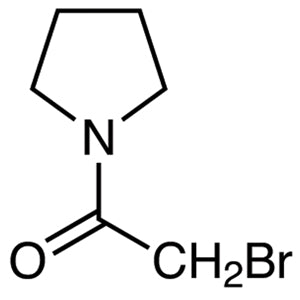
- TCI B5307 90892-09-4 1-(Bromoacetyl)pyrrolidine
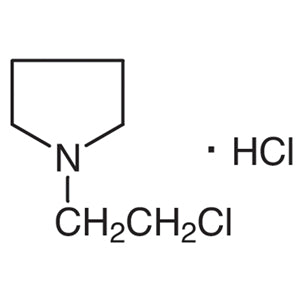
- TCI C1202 7250-67-1 1-(2-Chloroethyl)pyrrolidine Hydrochloride
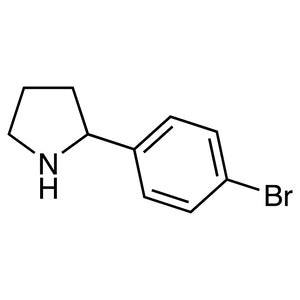
- TCI B6495 383127-22-8 2-(4-Bromophenyl)pyrrolidine
- TCI B5437 1616607-88-5 2-(2-Bromophenyl)-9-phenyl-9H-carbazole
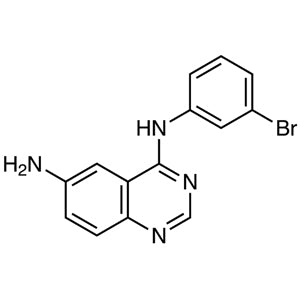
- TCI B5416 169205-78-1 N4-(3-Bromophenyl)quinazoline-4,6-diamine
- TCI B5313 601454-33-5 9-(4-Bromophenyl)-3,6-di-tert-butylcarbazole
- Drug synthesis and development: This compound is ideal for creating new pharmaceutical compounds due to its reactivity and structural versatility.
- Organic chemistry research: Its heterocyclic structure and reactivity make it suitable for complex synthetic pathways in academic laboratories.
- Bioactive molecule design: The compound’s ability to participate in substitution reactions supports the creation of molecules with specific biological activities.
- Analytical chemistry experiments: Its solubility in organic solvents facilitates its use in various analytical techniques and purification processes.
- Medicinal chemistry studies: It is frequently used in the design of new therapeutic agents, contributing to advancements in drug discovery.
| Brand | TCI |
|---|---|
| CAS number | 22090-26-2 |
| Molecular formula | — |
| Purity | — |
| Category | Chemistry > Building Blocks > Heterocyclic Building Blocks |
| Pack sizes | Available in various sizes as per supplier specifications |
| Physical form | Solid or liquid depending on the specific product variant |
| Storage | Store in a cool, dry place away from direct sunlight |
This compound should be stored in a cool, dry environment, away from direct sunlight and sources of heat. It is recommended to use airtight containers to prevent exposure to moisture and air, which may affect its stability. Due to its reactivity, it should be handled in a well-ventilated laboratory setting, ideally under a fume hood. Proper personal protective equipment, including gloves and safety goggles, should be worn during handling to ensure safety. The compound should not be stored near incompatible materials such as strong oxidizing agents. Regular monitoring of storage conditions is advised to maintain its integrity and effectiveness in laboratory applications.
—
Produk Terkait
-
1-(Bromoacetyl)pyrrolidine TCI B5307
Regular price From Rp 980.700,00Regular priceRp 701.400,00Sale price From Rp 980.700,00 -
1-(2-Chloroethyl)pyrrolidineHydrochloride TCI C1202
Regular price Rp 1.326.150,00Regular priceRp 942.900,00Sale price Rp 1.326.150,00 -
2-(4-Bromophenyl)pyrrolidine TCI B6495
Regular price From Rp 1.087.800,00Regular priceRp 775.950,00Sale price From Rp 1.087.800,00 -
2-(2-Bromophenyl)-9-phenyl-9H-carbazole TCI B5437
Regular price From Rp 1.246.350,00Regular priceRp 887.250,00Sale price From Rp 1.246.350,00 -
N4-(3-Bromophenyl)quinazoline-4,6-diamine TCI B5416
Regular price From Rp 875.700,00Regular priceRp 627.900,00Sale price From Rp 875.700,00 -
9-(4-Bromophenyl)-3,6-di-tert-butylcarbazole TCI B5313
Regular price From Rp 2.969.400,00Regular priceRp 2.091.600,00Sale price From Rp 2.969.400,00 -
5-(4-Bromophenyl)-1H-tetrazole TCI B5308
Regular price From Rp 2.464.350,00Regular priceRp 1.738.800,00Sale price From Rp 2.464.350,00 -
3-Bromo-9-(4-bromophenyl)-9H-carbazole TCI B5107
Regular price From Rp 2.623.950,00Regular priceRp 1.850.100,00Sale price From Rp 2.623.950,00