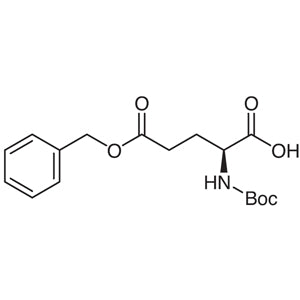
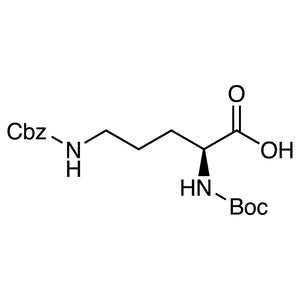
TCI B3902 5-Benzyl N-Benzyloxycarbonyl-L-glutamate is a chemical compound widely used in chemical and biochemical experiments within laboratory settings. It belongs to the category of peptide chemistry and plays a crucial role in the synthesis of complex compounds related to proteins and peptides. This compound is essential for researchers working on amino acid binding, peptide bond formation, and molecular structure and function studies. Its chemical structure is both complex and stable under specific conditions, making it a reliable material for various scientific investigations.
The compound's reactive properties make it a preferred choice for laboratory applications. It enables specific chemical reactions such as the formation of ester and amide bonds, which are fundamental in peptide synthesis. These characteristics allow it to participate in complex chemical reactions, offering versatility in experimental design. Its reactivity and stability under controlled conditions make it a valuable tool for researchers seeking to manipulate molecular structures with precision.
In Indonesian laboratories, TCI B3902 is commonly used in biochemical, pharmacological, and organic chemistry research. It supports the development of medical and pharmaceutical technologies and aids in the study of protein and enzyme mechanisms. Its application in peptide synthesis is particularly significant, contributing to the advancement of scientific knowledge and innovation in the field.
TCI brochures (PDF)
- Amino Acids and Peptide Synthesis Reagents 2025-08-14 · p. 17
Related TCI products
- TCI B4303 34404-30-3 1-Benzyl N-(tert-Butoxycarbonyl)-D-glutamate
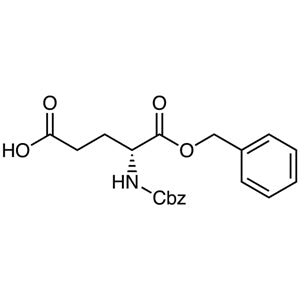
- TCI B4281 65706-99-2 1-Benzyl N-Benzyloxycarbonyl-D-glutamate
- TCI B3989 3705-42-8 1-Benzyl N-Benzyloxycarbonyl-L-glutamate
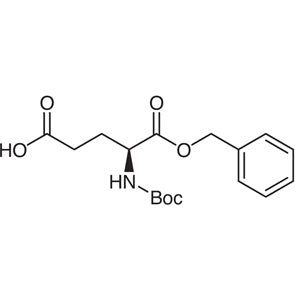
- TCI B1864 30924-93-7 1-Benzyl N-(tert-Butoxycarbonyl)-L-glutamate
- TCI B1633 13574-13-5 5-Benzyl N-(tert-Butoxycarbonyl)-L-glutamate
- TCI C2873 21209-51-8 N-Benzyloxycarbonyl-L-serine Benzyl Ester
- Peptide Synthesis: This compound is ideal for peptide synthesis due to its ability to form ester and amide bonds, which are essential for constructing complex peptide structures.
- Amino Acid Binding Studies: Its reactivity allows it to be used in experiments that investigate how amino acids interact and bind to other molecules.
- Protein and Enzyme Mechanism Research: It supports studies on the structural and functional aspects of proteins and enzymes by enabling the synthesis of relevant molecular models.
- Biochemical Research: It is frequently used in biochemical experiments to explore molecular interactions and biological processes.
- Organic Chemistry Experiments: Its chemical stability and reactivity make it a suitable material for various organic chemistry reactions and synthesis processes.
| Brand | TCI |
|---|---|
| CAS number | 5680-86-4 |
| Molecular formula | — |
| Purity | — |
| Category | Chemistry > Chemical Biology > Peptide Chemistry |
| Pack sizes | — |
| Physical form | — |
| Storage | Store in a cool, dry place away from direct sunlight |
This compound should be stored in a cool, dry environment, away from direct sunlight and sources of heat. It is recommended to use airtight containers to prevent moisture absorption and contamination. Due to its chemical reactivity, it should be handled with care, using appropriate personal protective equipment such as gloves and safety goggles. It should not be exposed to incompatible substances or extreme temperatures. Proper ventilation is essential when working with this material to ensure a safe laboratory environment. Always follow standard laboratory safety protocols to minimize risks associated with chemical handling.
—
Product Categories
Produk Terkait
-
1-BenzylN-(tert-Butoxycarbonyl)-D-glutamate TCI B4303
Regular price From Rp 1.246.350,00Regular priceRp 887.250,00Sale price From Rp 1.246.350,00 -
1-BenzylN-Benzyloxycarbonyl-D-glutamate TCI B4281
Regular price Rp 2.464.350,00Regular priceRp 1.738.800,00Sale price Rp 2.464.350,00 -
1-BenzylN-Benzyloxycarbonyl-L-glutamate TCI B3989
Regular price From Rp 1.563.450,00Regular priceRp 1.108.800,00Sale price From Rp 1.563.450,00 -
1-BenzylN-(tert-Butoxycarbonyl)-L-glutamate TCI B1864
Regular price From Rp 1.618.050,00Regular priceRp 1.146.600,00Sale price From Rp 1.618.050,00 -
5-BenzylN-(tert-Butoxycarbonyl)-L-glutamate TCI B1633
Regular price From Rp 1.643.250,00Regular priceRp 1.164.450,00Sale price From Rp 1.643.250,00 -
N-Benzyloxycarbonyl-L-serineBenzylEster TCI C2873
Regular price From Rp 1.934.100,00Regular priceRp 1.368.150,00Sale price From Rp 1.934.100,00 -
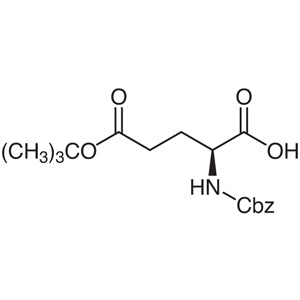
5-tert-ButylN-Benzyloxycarbonyl-L-glutamate TCI C1715
Regular price Rp 1.776.600,00Regular priceRp 1.257.900,00Sale price Rp 1.776.600,00 -
Nalpha-(tert-Butoxycarbonyl)-Ndelta-benzyloxycarbonyl-L-ornithine TCI B2253
Regular price From Rp 928.200,00Regular priceRp 664.650,00Sale price From Rp 928.200,00