Bismuth Tripotassium Dicitrate is a chemical compound widely used in laboratory settings, particularly in catalysis and inorganic chemistry. This compound plays a crucial role in accelerating chemical reactions without being consumed in the process. It is commonly employed as a catalyst or reagent in the synthesis of both organic and inorganic compounds. Its versatility makes it a valuable tool for researchers aiming to optimize reaction conditions and improve yield. The compound is especially useful in scenarios where precise control over reaction rates is necessary.
One of the key properties that make Bismuth Tripotassium Dicitrate a preferred choice is its chemical stability and effectiveness under various reaction conditions. It maintains its catalytic activity even in the presence of other reagents, making it suitable for complex synthetic pathways. Additionally, it exhibits good solubility in aqueous solutions, which enhances its applicability in a wide range of experimental setups. These characteristics contribute to its reliability and consistency in laboratory applications.
In Indonesian laboratories, Bismuth Tripotassium Dicitrate is commonly used in research related to catalysis and the synthesis of complex compounds. It is a favored material among academic institutions and research centers due to its efficiency and reliability. Its role in advancing chemical studies makes it an essential component in the toolkit of chemists and researchers working in both academic and industrial environments.
TCI brochures (PDF)
- Pharmaceutical Ingredients for Research and Experimental Use 2026-03-09 · p. 43
- Catalytic Reactions: Bismuth Tripotassium Dicitrate is ideal for catalytic reactions due to its ability to accelerate chemical processes without being consumed, making it efficient for repeated use in multiple experiments.
- Organic Synthesis: This compound is frequently used in organic synthesis to facilitate the formation of complex molecules by lowering activation energy and enhancing reaction efficiency.
- Inorganic Chemistry Experiments: Its role in inorganic chemistry is significant, as it aids in the synthesis of various inorganic compounds by acting as a catalyst under controlled conditions.
- Research in Complex Compound Formation: It is a preferred choice for studies involving the formation of complex compounds, where precise control over reaction conditions is essential.
- Analytical Chemistry Applications: Its stability and reactivity make it suitable for analytical chemistry applications, where accurate and reproducible results are required.
| Brand | TCI |
|---|---|
| CAS number | 57644-54-9 |
| Molecular formula | — |
| Purity | — |
| Category | Chemistry > Catalysis and Inorganic Chemistry > Main-group Elements |
| Pack sizes | Available in various quantities as per standard laboratory supply |
| Physical form | Solid |
| Storage | Store in a cool, dry place away from moisture and direct sunlight |
Bismuth Tripotassium Dicitrate should be stored in a cool, dry environment to maintain its chemical stability and effectiveness. It is recommended to keep the compound in airtight containers to prevent moisture absorption, which could potentially affect its performance. The substance should be stored away from direct sunlight and sources of heat to avoid any degradation. In laboratory settings, it is important to handle the compound with care, using appropriate personal protective equipment such as gloves and safety goggles. Proper labeling of storage containers is essential to ensure safe handling and prevent accidental exposure. Regular inspection of storage conditions is advised to maintain the integrity of the material for long-term use.
—
Product Categories
Produk Terkait
-
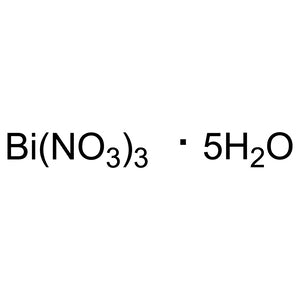
Bismuth(III)NitratePentahydrate TCI B7064
Regular price From Rp 505.050,00Regular priceRp 352.800,00Sale price From Rp 505.050,00 -
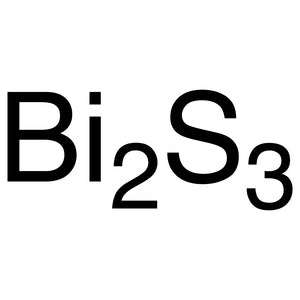
Bismuth(III)Sulfide TCI B6649
Regular price From Rp 2.332.050,00Regular priceRp 1.630.650,00Sale price From Rp 2.332.050,00 -
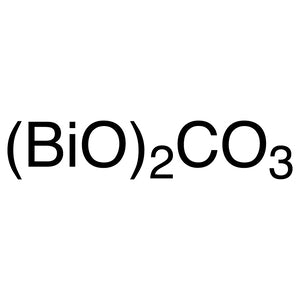
BismuthCarbonateOxide TCI B6578
Regular price From Rp 980.700,00Regular priceRp 701.400,00Sale price From Rp 980.700,00 -
Bismuth(III)Phosphate TCI B6514
Regular price From Rp 2.650.200,00Regular priceRp 1.853.250,00Sale price From Rp 2.650.200,00 -
Bismuth(III)Hydroxide TCI B6474
Regular price From Rp 2.518.950,00Regular priceRp 1.760.850,00Sale price From Rp 2.518.950,00 -
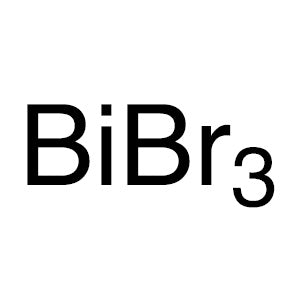
Bismuth(III)Bromide TCI B6339
Regular price From Rp 769.650,00Regular priceRp 537.600,00Sale price From Rp 769.650,00 -
Bismuth(III)Fluoride TCI B6338
Regular price From Rp 1.590.750,00Regular priceRp 1.111.950,00Sale price From Rp 1.590.750,00 -
Bismuth(III)Oxide TCI B6309
Regular price From Rp 557.550,00Regular priceRp 389.550,00Sale price From Rp 557.550,00