4,4'-Bis(5-hexyl-2-thienyl)-2,2'-bipyridyl is a specialized chemical compound used in catalysis and inorganic chemistry, primarily as a nitrogen-donor ligand. This compound plays a crucial role in laboratory settings by facilitating the activation of transition metals, which is essential for the development of efficient catalysts. Its unique molecular structure enables strong interactions with metal centers, making it a key component in various synthetic processes. In research environments, it is widely utilized for accelerating chemical reactions that require metal activation, contributing to the advancement of catalytic science.
The compound is favored for its stability and controlled reactivity, which allow it to be used in a wide range of experimental conditions. Its molecular design, combining thienyl and bipyridyl groups, provides enhanced functionality in metal-ligand interactions. This structural feature not only improves its effectiveness in catalytic systems but also ensures compatibility with various reaction mechanisms. The compound’s predictable behavior and consistent performance make it a reliable choice for researchers aiming to optimize chemical processes.
In Indonesian laboratories, this compound is commonly used in inorganic chemistry and catalysis research. It is integral to studies focused on developing environmentally friendly and efficient catalysts. Its application extends to oxidation, reduction, and complexation reactions, supporting the goals of sustainable chemical processes. Researchers in Indonesia rely on this compound to enhance reaction efficiency and minimize chemical waste, aligning with modern scientific priorities.
TCI brochures (PDF)
- Solar Cell Materials 2026-04-21 · p. 13
- Thiophenes 2026-06-29 · p. 7
- Ligands 2025-12-01 · p. 13
Related TCI products
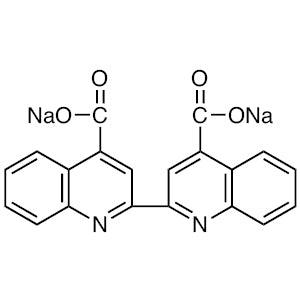
- TCI B4509 979-88-4 Bicinchoninic Acid Disodium Salt
- TCI H1680 154717-22-3 (4-Hexyl-2-thienyl)trimethylstannane
- TCI B4373 502693-09-6 Bis(isothiocyanato)(2,2'-bipyridyl-4,4'-dicarboxylato)(4,4'-dinonyl-2,2'-bipyridyl)ruthenium(II)
- TCI B4372 141460-19-7 Bis(isothiocyanato)bis(2,2'-bipyridyl-4,4'-dicarboxylato)ruthenium(II)
- TCI B3514 207347-46-4 Bis(tetrabutylammonium) Dihydrogen Bis(isothiocyanato)bis(2,2'-bipyridyl-4,4'-dicarboxylato)ruthenium(II)
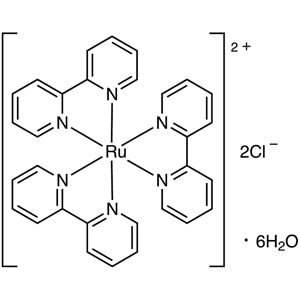
- TCI T1655 50525-27-4 Tris(2,2'-bipyridyl)ruthenium(II) Chloride Hexahydrate
- Used in inorganic chemistry research for its ability to form stable complexes with transition metals, enhancing catalytic activity in synthetic reactions.
- Applied in catalysis studies to develop efficient and selective catalysts for industrial and academic applications.
- Utilized in oxidation and reduction reactions due to its capacity to act as a redox-active ligand, facilitating electron transfer processes.
- Employed in complexation studies to investigate metal-ligand interactions and their impact on reaction mechanisms.
- Integrated into green chemistry initiatives to create sustainable catalysts that reduce environmental impact and chemical waste.
| Brand | TCI |
|---|---|
| CAS number | 1047684-56-9 |
| Molecular formula | — |
| Purity | — |
| Category | Chemistry > Catalysis and Inorganic Chemistry > Nitrogen-Donor Ligands [Catalysis] |
| Pack sizes | Available in various quantities as per standard laboratory supply options |
| Physical form | Solid (exact form may vary based on supplier packaging) |
| Storage | Store in a cool, dry place away from light and moisture |
This compound should be stored in a cool, dry environment, away from direct light and moisture to maintain its stability and effectiveness. It is recommended to use airtight containers to prevent exposure to air and humidity, which could affect its chemical integrity. In laboratory settings, proper ventilation should be ensured when handling the compound to minimize inhalation risks. It is advisable to use gloves and protective eyewear to avoid direct contact with the skin or eyes. The compound should not be stored near incompatible materials such as strong oxidizing agents. Regular monitoring of storage conditions is essential to ensure the material remains in optimal condition for use in research applications.
—
Product Categories
Produk Terkait
-
BicinchoninicAcidDisodiumSalt TCI B4509
Regular price From Rp 1.008.000,00Regular priceRp 720.300,00Sale price From Rp 1.008.000,00 -
(4-Hexyl-2-thienyl)trimethylstannane TCI H1680
Regular price Rp 3.207.750,00Regular priceRp 2.258.550,00Sale price Rp 3.207.750,00 -
Bis(isothiocyanato)(2,2'-bipyridyl-4,4'-dicarboxylato)(4,4'-dinonyl-2,2'-bipyridyl)ruthenium(II) TCI B4373
Regular price Rp 3.524.850,00Regular priceRp 2.480.100,00Sale price Rp 3.524.850,00 -
Bis(isothiocyanato)bis(2,2'-bipyridyl-4,4'-dicarboxylato)ruthenium(II) TCI B4372
Regular price Rp 3.949.050,00Regular priceRp 2.777.250,00Sale price Rp 3.949.050,00 -
Bis(tetrabutylammonium)DihydrogenBis(isothiocyanato)bis(2,2'-bipyridyl-4,4'-dicarboxylato)ruthenium(II) TCI B3514
Regular price Rp 3.870.300,00Regular priceRp 2.721.600,00Sale price Rp 3.870.300,00 -
Tris(2,2'-bipyridyl)ruthenium(II)ChlorideHexahydrate TCI T1655
Regular price From Rp 2.835.000,00Regular priceRp 1.998.150,00Sale price From Rp 2.835.000,00 -
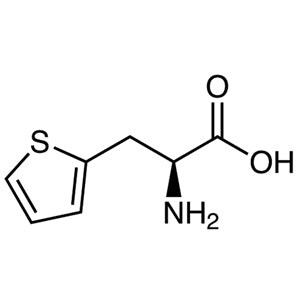
3-(2-Thienyl)-L-alanine TCI T3475
Regular price From Rp 955.500,00Regular priceRp 683.550,00Sale price From Rp 955.500,00 -
Tris[4'-(2-thienyl)-4-biphenylyl]amine TCI T3337
Regular price Rp 5.460.000,00Regular priceRp 3.833.550,00Sale price Rp 5.460.000,00