Bicinchoninic Acid Disodium Salt (BCA) is a chemical compound widely used in quantitative protein analysis within laboratory settings. As a heterocyclic building block, it plays a crucial role in biochemical assays by enabling specific reactions with proteins. Its unique chemical structure allows it to form colored complexes when bound to proteins, making it an essential reagent for measuring protein concentration in solution. This compound is particularly valuable in analytical chemistry for its ability to provide reliable and reproducible results.
The properties of BCA that make it a preferred choice include its chemical stability and high reactivity, which ensure consistent performance across various experimental conditions. It dissolves well in both organic solvents and water, enhancing its versatility in different analytical methods. These characteristics make it suitable for a wide range of applications, from routine laboratory testing to more complex research projects. Its reliability and accuracy contribute to its popularity among scientists and researchers.
In Indonesian laboratories, BCA is commonly used in biomedical, pharmaceutical, and analytical chemistry research. It supports studies involving protein concentration analysis in biological samples, such as blood or tissue extracts. Its relevance in these fields underscores its importance in advancing scientific research and ensuring precise data collection.
TCI brochures (PDF)
- Solar Cell Materials 2026-04-21 · p. 13
- Ligands 2025-12-01 · p. 14
Related TCI products
- TCI B1077 63451-34-3 2,2'-Bicinchoninic Acid Dipotassium Salt [for Determination of Cu]
- TCI B3509 1245-13-2 2,2'-Bicinchoninic Acid
- TCI B0989 53744-42-6 Bathophenanthrolinedisulfonic Acid Disodium Salt Hydrate [for Determination of Ferrous Ion]
- TCI B0985 52698-84-7 Disodium Bathocuproinedisulfonate [for Determination of Cu in Blood]
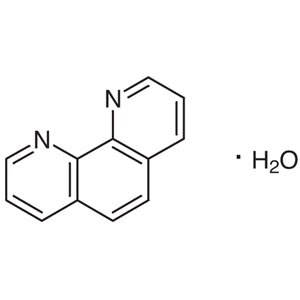
- TCI P0221 5144-89-8 1,10-Phenanthroline Monohydrate
- TCI P0081 18851-33-7 1,10-Phenanthroline Hydrochloride Monohydrate
- Protein quantification in biological samples is enhanced by BCA's ability to form colored complexes with proteins, enabling accurate spectrophotometric measurements.
- Biochemical research benefits from BCA's stability and reactivity, making it ideal for experiments requiring consistent chemical behavior.
- Analytical chemistry applications rely on BCA's solubility in both water and organic solvents, facilitating its use in diverse assay formats.
- Pharmaceutical studies utilize BCA for assessing protein content in drug formulations, supporting quality control and formulation development.
- Biomedical research employs BCA to analyze protein concentrations in clinical samples, aiding in diagnostic and therapeutic research.
| Brand | TCI |
|---|---|
| CAS number | 979-88-4 |
| Molecular formula | — |
| Purity | — |
| Category | Chemistry > Building Blocks > Heterocyclic Building Blocks |
| Pack sizes | Available in various quantities as per standard supplier offerings |
| Physical form | Solid powder |
| Storage | Store in a cool, dry place away from direct light |
Bicinchoninic Acid Disodium Salt should be stored in a cool, dry environment to maintain its chemical stability. It is recommended to keep the compound in a tightly sealed container to prevent moisture absorption. Avoid exposure to direct sunlight or high humidity, as these conditions may affect its performance. When handling, ensure proper ventilation to minimize inhalation of any airborne particles. The compound is generally non-hazardous, but standard laboratory safety practices should be followed. It is suitable for storage in glass or plastic containers that are resistant to chemical degradation. Always follow established safety protocols to ensure safe handling and use in laboratory settings.
—
Product Categories
Produk Terkait
-
2,2'-BicinchoninicAcidDipotassiumSalt[forDeterminationofCu] TCI B1077
Regular price From Rp 1.618.050,00Regular priceRp 1.146.600,00Sale price From Rp 1.618.050,00 -
2,2'-BicinchoninicAcid TCI B3509
Regular price From Rp 1.298.850,00Regular priceRp 924.000,00Sale price From Rp 1.298.850,00 -
BathophenanthrolinedisulfonicAcidDisodiumSaltHydrate[forDeterminationofFerrousIon] TCI B0989
Regular price Rp 5.724.600,00Regular priceRp 4.018.350,00Sale price Rp 5.724.600,00 -
DisodiumBathocuproinedisulfonate[forDeterminationofCuinBlood] TCI B0985
Regular price From Rp 1.538.250,00Regular priceRp 1.090.950,00Sale price From Rp 1.538.250,00 -
1,10-PhenanthrolineMonohydrate TCI P0221
Regular price From Rp 557.550,00Regular priceRp 405.300,00Sale price From Rp 557.550,00 -
1,10-PhenanthrolineHydrochlorideMonohydrate TCI P0081
Regular price Rp 1.696.800,00Regular priceRp 1.202.250,00Sale price Rp 1.696.800,00 -
5-Methyl-1,10-phenanthroline[forColorimetricDeterminationofIron] TCI M0300
Regular price From Rp 1.113.000,00Regular priceRp 793.800,00Sale price From Rp 1.113.000,00 -
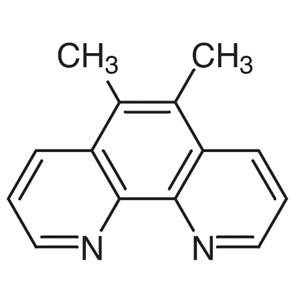
5,6-Dimethyl-1,10-phenanthroline TCI D1559
Regular price From Rp 1.272.600,00Regular priceRp 905.100,00Sale price From Rp 1.272.600,00