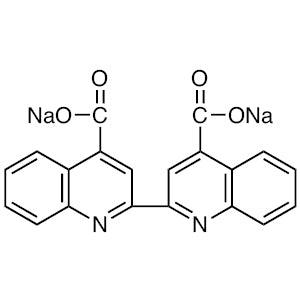
2,2'-Bicinchoninic Acid (BCA) is a chemical compound widely used in analytical and research applications within laboratory settings. It serves as a key reagent in protein quantification methods, particularly in microfluidic techniques that enable precise and accurate quantitative analysis. This compound plays a crucial role in biochemical and material research by offering a reliable means of detecting and measuring protein concentrations. Its chemical stability and responsiveness to changes in protein concentration make it an essential tool for researchers seeking high sensitivity and precision in their experiments.
The properties of BCA that make it a preferred choice include its chemical stability, high sensitivity to protein concentration changes, and compatibility with spectroscopic measurement techniques. Its ability to form complexes with proteins leads to a color change that can be easily measured using spectrophotometry. This characteristic enables researchers to perform quantitative analysis with high accuracy and reproducibility. Additionally, BCA exhibits a broad range of environmental tolerance, which enhances its usability across various laboratory conditions. These features contribute to its popularity among scientists working in diverse research fields.
In Indonesian laboratories, BCA is commonly used in biochemical and material science research due to its reliability and precision. It is particularly favored for applications requiring high sensitivity and accuracy in protein quantification. The compound's versatility and consistent performance make it a go-to choice for researchers in Indonesia, supporting a wide range of analytical and experimental needs. Its widespread use reflects its importance in both academic and industrial research settings.
TCI brochures (PDF)
- Bipyridine/Terpyridine Ligands Bearing Phosphonate Ester Moieties 2025-08-07 · p. 1
- Solar Cell Materials 2026-04-21 · p. 13
Related TCI products
- TCI B4509 979-88-4 Bicinchoninic Acid Disodium Salt
- TCI B1077 63451-34-3 2,2'-Bicinchoninic Acid Dipotassium Salt [for Determination of Cu]
- TCI B5838 979-88-4 Bicinchoninic Acid Disodium Salt [for Protein Research]
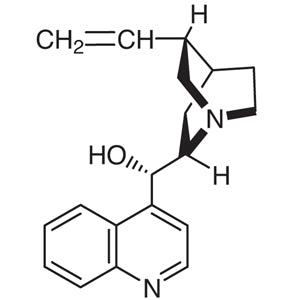
- TCI C0791 5949-16-6 Cinchonine Sulfate Dihydrate
- TCI C0350 118-10-5 Cinchonine
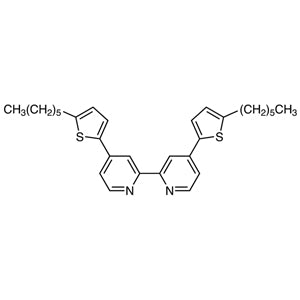
- TCI B4420 1047684-56-9 4,4'-Bis(5-hexyl-2-thienyl)-2,2'-bipyridyl
- Protein quantification in biochemical research due to its high sensitivity and spectroscopic compatibility.
- Dye-sensitized solar cell (DSSC) material development because of its chemical stability and reactivity.
- Microfluidic analysis applications where precise and accurate measurements are essential for experimental reproducibility.
- Environmental stress testing in material science to assess chemical resistance under varying conditions.
- Spectrophotometric analysis in analytical chemistry for reliable and reproducible colorimetric measurements.
| Brand | TCI |
|---|---|
| CAS number | 1245-13-2 |
| Molecular formula | — |
| Purity | — |
| Category | Materials Science > Electronic Materials > Dye-Sensitized Solar Cell (DSSC) Materials |
| Pack sizes | Available in various quantities as per standard laboratory supply formats |
| Physical form | Solid powder |
| Storage | Store in a cool, dry place away from direct sunlight and moisture |
This compound should be stored in a cool, dry place, away from direct sunlight and moisture to maintain its chemical stability. It is recommended to use airtight containers to prevent exposure to humidity and contaminants. Due to its reactivity with proteins, it should be handled with care in laboratory environments to avoid unintended chemical interactions. Proper labeling of containers is essential for safe storage and retrieval. Laboratory personnel should wear appropriate personal protective equipment when handling BCA to ensure safety during use and storage. Regular monitoring of storage conditions will help maintain the integrity and effectiveness of the compound for research applications.
—
Produk Terkait
-
BicinchoninicAcidDisodiumSalt TCI B4509
Regular price From Rp 1.008.000,00Regular priceRp 720.300,00Sale price From Rp 1.008.000,00 -
2,2'-BicinchoninicAcidDipotassiumSalt[forDeterminationofCu] TCI B1077
Regular price From Rp 1.618.050,00Regular priceRp 1.146.600,00Sale price From Rp 1.618.050,00 -
BicinchoninicAcidDisodiumSalt[forProteinResearch] TCI B5838
Regular price Rp 5.617.500,00Regular priceRp 3.943.800,00Sale price Rp 5.617.500,00 -
CinchonineSulfateDihydrate TCI C0791
Regular price Rp 1.113.000,00Regular priceRp 793.800,00Sale price Rp 1.113.000,00 -
Cinchonine TCI C0350
Regular price From Rp 1.590.750,00Regular priceRp 1.127.700,00Sale price From Rp 1.590.750,00 -
4,4'-Bis(5-hexyl-2-thienyl)-2,2'-bipyridyl TCI B4420
Regular price Rp 2.227.050,00Regular priceRp 1.572.900,00Sale price Rp 2.227.050,00 -
N-BenzylcinchoniniumChloride[ChiralPhase-TransferCatalyst] TCI B1689
Regular price Rp 1.801.800,00Regular priceRp 1.275.750,00Sale price Rp 1.801.800,00