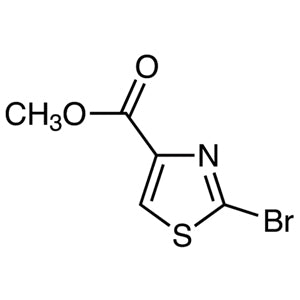
2-Bromothiazole-4-carboxylic Acid is a chemical compound widely used as a foundational building block in the synthesis of heterocyclic compounds. It plays a crucial role in laboratory settings where the development of complex organic molecules is required. This compound is particularly valuable in research involving pharmaceuticals, organic chemistry, and functional compounds due to its structural versatility and reactivity. Its presence in chemical reactions allows for the creation of diverse molecular structures, making it an essential tool for chemists and researchers.
The compound’s stability and controlled reactivity make it a preferred choice for various chemical applications. Its molecular structure features a bromo group and a carboxylic acid group, which contribute to its reactivity in substitution and electrophilic reactions. These functional groups enable the compound to participate in a wide range of chemical transformations, making it suitable for the synthesis of high-precision and complex molecules. The combination of these properties ensures that it remains a reliable and effective reagent in laboratory environments.
In Indonesian laboratories, 2-Bromothiazole-4-carboxylic Acid is commonly used in scientific research and educational settings. It is particularly relevant in the fields of organic chemistry and pharmacology, where the development of new compounds and drug candidates is a priority. Its availability in solid form and ease of storage make it a practical choice for both academic and industrial research applications.
- Organic synthesis is a key application where this compound is used to create complex heterocyclic structures due to its reactive functional groups.
- Pharmaceutical research benefits from its role in the development of new drug candidates, as it can participate in various synthetic pathways.
- Functional compound development relies on its ability to undergo substitution and electrophilic reactions, making it ideal for creating diverse molecular structures.
- Educational institutions use it to teach advanced organic chemistry concepts, providing students with hands-on experience in synthetic chemistry.
- Industrial laboratories apply it in the production of specialized chemicals, leveraging its stability and reactivity for efficient chemical processes.
| Brand | TCI |
|---|---|
| CAS number | 5198-88-9 |
| Molecular formula | — |
| Purity | — |
| Category | Chemistry > Building Blocks > Heterocyclic Building Blocks |
| Pack sizes | Available in standard laboratory quantities |
| Physical form | Solid |
| Storage | Store in a cool, dry place away from direct sunlight |
This compound should be stored in a cool, dry place, away from direct sunlight and moisture. It is recommended to use airtight containers to prevent exposure to air and humidity, which could affect its stability. Due to its chemical nature, it should be handled with appropriate personal protective equipment, such as gloves and safety goggles, to ensure laboratory safety. It is important to keep it away from incompatible substances to avoid any potential chemical reactions. Proper labeling of storage containers is also essential for safe handling and easy identification. Regular inspection of storage conditions ensures that the compound remains in optimal condition for use in laboratory applications.
—
Produk Terkait
-
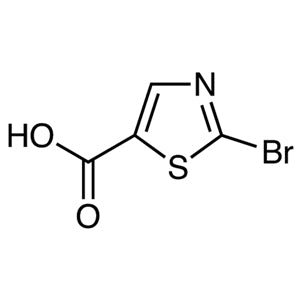
2-Bromothiazole-5-carboxylicAcid TCI B4329
Regular price From Rp 1.167.600,00Regular priceRp 831.600,00Sale price From Rp 1.167.600,00 -
4-Bromothiazole TCI B4594
Regular price From Rp 1.618.050,00Regular priceRp 1.146.600,00Sale price From Rp 1.618.050,00 -
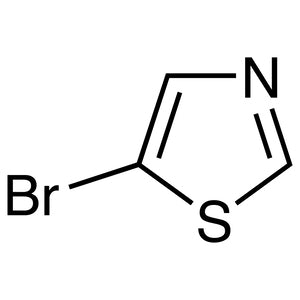
5-Bromothiazole TCI B3569
Regular price From Rp 1.378.650,00Regular priceRp 979.650,00Sale price From Rp 1.378.650,00 -
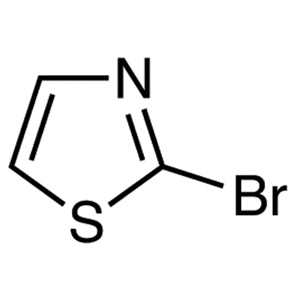
2-Bromothiazole TCI B1280
Regular price From Rp 1.538.250,00Regular priceRp 1.090.950,00Sale price From Rp 1.538.250,00 -
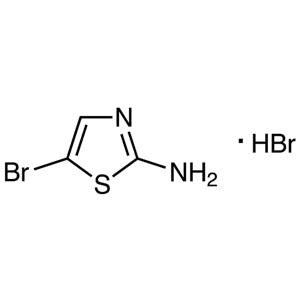
2-Amino-5-bromothiazoleHydrobromide TCI A1573
Regular price From Rp 1.113.000,00Regular priceRp 793.800,00Sale price From Rp 1.113.000,00 -
Methyl2-Bromothiazole-5-carboxylate TCI M2669
Regular price From Rp 955.500,00Regular priceRp 683.550,00Sale price From Rp 955.500,00 -
Methyl2-Bromothiazole-4-carboxylate TCI M2615
Regular price From Rp 980.700,00Regular priceRp 701.400,00Sale price From Rp 980.700,00 -
Ethyl2-Bromothiazole-4-carboxylate TCI E0900
Regular price From Rp 822.150,00Regular priceRp 590.100,00Sale price From Rp 822.150,00