Methyl 2-Bromothiazole-5-carboxylate is a chemical compound widely used as a building block in the synthesis of heterocyclic compounds. This compound plays a crucial role in organic chemistry laboratories, where it serves as a key intermediate in the development of complex molecular structures. Its unique chemical structure, featuring sulfur and nitrogen atoms, makes it highly versatile for various synthetic pathways. Due to its reactivity and structural specificity, it is often employed in the creation of compounds with specific biological or industrial applications.
The compound is valued for its chemical stability under controlled conditions and its ability to participate in a variety of chemical reactions. Its bromo substituent at the 2-position allows for targeted functionalization, making it a preferred choice in synthetic chemistry. The compound’s predictable behavior in different reaction environments ensures reliable results, which is essential for research and development in both academic and industrial settings. Its availability and consistent quality further enhance its appeal among researchers.
In Indonesian laboratories, Methyl 2-Bromothiazole-5-carboxylate is commonly used in pharmaceutical and chemical research. It is a key component in the synthesis of bioactive molecules and industrial chemicals. Many research institutions and universities in Indonesia rely on this compound for the development of new compounds with potential applications in medicine and industry. Its widespread use underscores its importance in advancing scientific research in the region.
Related TCI products
- Synthetic Organic Chemistry: This compound is ideal for creating complex heterocyclic structures due to its reactive bromo group and sulfur-containing framework.
- Pharmaceutical Research: It is used in the development of bioactive molecules, particularly in drug discovery and medicinal chemistry.
- Industrial Chemistry: The compound supports the synthesis of various industrial chemicals, including dyes and pesticides.
- Academic Research: It is a valuable tool for teaching and research in chemistry and pharmacology courses.
- Compound Modification Studies: Its structural versatility makes it suitable for studying substitution reactions and functional group transformations.
| Brand | TCI |
|---|---|
| CAS number | 54045-74-8 |
| Molecular formula | — |
| Purity | — |
| Category | Chemistry > Building Blocks > Heterocyclic Building Blocks |
| Pack sizes | Available in various quantities as per supplier specifications |
| Physical form | Solid |
| Storage | Store in a cool, dry place away from light and moisture |
This compound should be stored in a cool, dry environment, away from direct sunlight and moisture. It is recommended to keep it in a sealed container to prevent exposure to air and humidity. Proper ventilation should be maintained in the laboratory to minimize inhalation risks. The container should be made of a material compatible with the compound’s chemical properties, such as glass or high-density polyethylene. Avoid contact with incompatible substances like strong oxidizing agents. Always follow standard laboratory safety protocols when handling and storing this material.
—
Produk Terkait
-
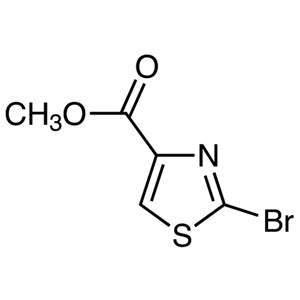
Methyl2-Bromothiazole-4-carboxylate TCI M2615
Regular price From Rp 928.200,00Regular price -
Ethyl2-Bromothiazole-4-carboxylate TCI E0900
Regular price From Rp 769.650,00Regular price -
4-Bromothiazole TCI B4594
Regular price From Rp 1.565.550,00Regular price -
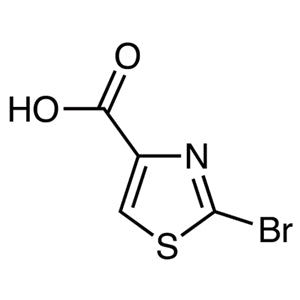
2-Bromothiazole-4-carboxylicAcid TCI B4578
Regular price Rp 1.431.150,00Regular price -
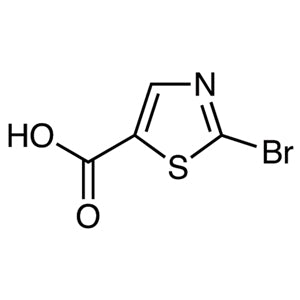
2-Bromothiazole-5-carboxylicAcid TCI B4329
Regular price From Rp 1.115.100,00Regular price -
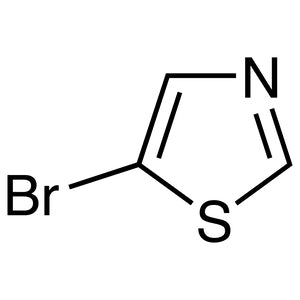
5-Bromothiazole TCI B3569
Regular price From Rp 1.326.150,00Regular price -
2-Bromothiazole TCI B1280
Regular price From Rp 1.485.750,00Regular price -
2-Amino-5-bromothiazoleHydrobromide TCI A1573
Regular price From Rp 1.060.500,00Regular price