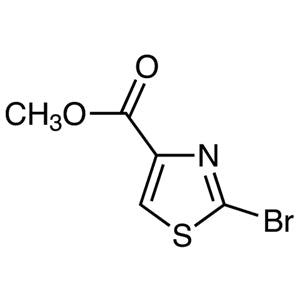
Methyl 2-Bromothiazole-4-carboxylate is a chemical compound widely used in organic reactions, particularly in the synthesis of heterocyclic compounds. This compound plays a crucial role in laboratory settings where the development of new chemical entities is required. Its unique structure, combining a thiazole ring with a carboxylate group, makes it a valuable building block for creating complex molecular frameworks. Due to its versatility, it is frequently utilized in research aimed at drug discovery, material science, and industrial chemical production.
The compound is known for its chemical stability under controlled conditions, which makes it reliable for use in various synthetic processes. However, it is sensitive to moisture and sunlight, requiring careful handling and storage. These properties make it ideal for applications where environmental control is essential. Its solubility in organic solvents further enhances its usability, allowing for efficient processing in a wide range of chemical reactions.
In Indonesian laboratories, Methyl 2-Bromothiazole-4-carboxylate is commonly used in pharmaceutical and organic chemistry research. Its availability and consistent quality make it a preferred choice for researchers working on complex experiments. It is particularly useful in the development of new drugs and materials, where precise chemical synthesis is required. Its role in academic and industrial research underscores its importance in the chemical sciences.
Related TCI products
- Heterocyclic Compound Synthesis: This compound is ideal for creating complex molecular structures due to its thiazole ring and carboxylate group, making it suitable for pharmaceutical and material science research.
- Organic Chemistry Research: Its reactivity and solubility in organic solvents make it a preferred reagent for synthesizing various organic compounds in laboratory settings.
- Drug Development: The compound is used in the synthesis of potential pharmaceuticals, aiding in the creation of new therapeutic agents through controlled chemical reactions.
- Industrial Chemical Production: Its stability and reactivity make it a valuable component in the manufacturing of industrial chemicals and specialty compounds.
- Material Science Studies: It is employed in the development of new materials, contributing to the creation of advanced polymers and functional materials.
| Brand | TCI |
|---|---|
| CAS number | 170235-26-4 |
| Molecular formula | — |
| Purity | — |
| Category | Chemistry > Building Blocks > Heterocyclic Building Blocks |
| Pack sizes | Available in various quantities as per standard laboratory supply practices |
| Physical form | Solid (exact form may vary based on supplier) |
| Storage | Requires storage in a cool, dry place away from light and moisture |
This compound should be stored in a cool, dry environment, away from direct sunlight and sources of moisture to maintain its chemical integrity. It is recommended to use airtight containers made of glass or polyethylene to prevent exposure to humidity. Due to its sensitivity, it should be handled in a controlled laboratory setting with appropriate safety measures, such as gloves and ventilation. Avoid contact with water or acidic substances to prevent degradation. Regular monitoring of storage conditions is essential to ensure the compound remains stable and suitable for use in chemical reactions. Proper labeling and storage practices help maintain the quality and safety of the material during handling and experimentation.
—
Produk Terkait
-
Methyl2-Bromothiazole-5-carboxylate TCI M2669
Regular price From Rp 903.000,00Regular price -
Ethyl2-Bromothiazole-4-carboxylate TCI E0900
Regular price From Rp 769.650,00Regular price -
4-Bromothiazole TCI B4594
Regular price From Rp 1.565.550,00Regular price -
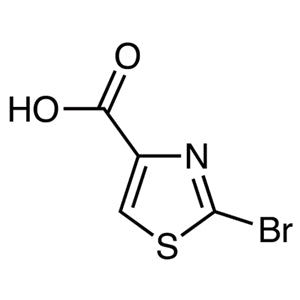
2-Bromothiazole-4-carboxylicAcid TCI B4578
Regular price Rp 1.431.150,00Regular price -
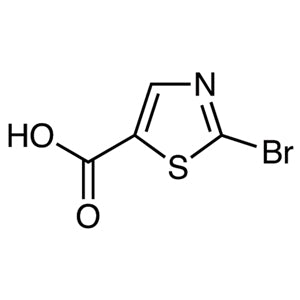
2-Bromothiazole-5-carboxylicAcid TCI B4329
Regular price From Rp 1.115.100,00Regular price -
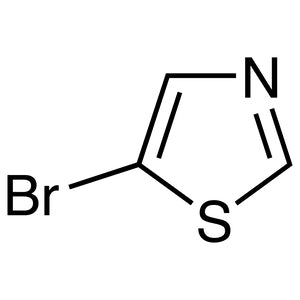
5-Bromothiazole TCI B3569
Regular price From Rp 1.326.150,00Regular price -
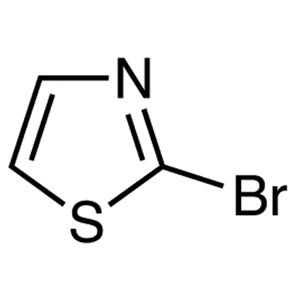
2-Bromothiazole TCI B1280
Regular price From Rp 1.485.750,00Regular price -
2-Amino-5-bromothiazoleHydrobromide TCI A1573
Regular price From Rp 1.060.500,00Regular price