6-Bromochromone-2-carboxylic Acid is a chemical compound widely used in organic reactions, particularly in the synthesis of heterocyclic compounds. This versatile building block plays a crucial role in laboratory settings where researchers aim to create new molecules with specific biological activities. Its unique structure and reactivity make it an essential component in the development of pharmaceuticals and advanced chemical materials. Due to its functional groups, it is frequently utilized in synthetic pathways that require controlled chemical transformations.
The compound is known for its solubility in organic solvents and its chemical stability under certain conditions, which contributes to its popularity among chemists. Its reactivity allows for substitution reactions and other chemical modifications, making it a flexible choice for various synthetic strategies. These properties enable researchers to design and synthesize complex molecules efficiently. Its ability to participate in multiple reaction types enhances its value in both academic and industrial research environments.
In Indonesian laboratories, 6-Bromochromone-2-carboxylic Acid is commonly used by researchers in universities and research institutions. It is particularly relevant in fields such as pharmacology and organic synthesis, where the development of new compounds is essential. Its availability and chemical properties make it a preferred choice for those working on drug discovery and molecular design projects. The compound supports a wide range of experimental applications, contributing to the advancement of chemical research in the region.
Related TCI products
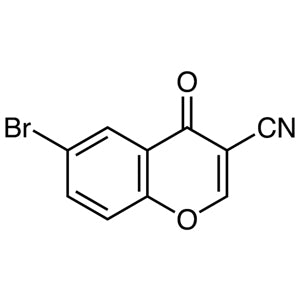
- TCI B4968 52817-13-7 6-Bromochromone-3-carbonitrile
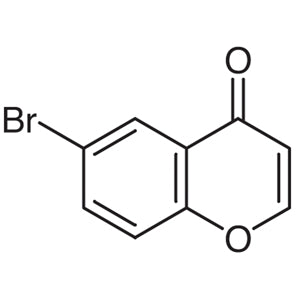
- TCI B3335 51483-92-2 6-Bromochromone
- TCI I0786 75092-30-7 4-Iodo-1-methylpyrazole-5-carboxylic Acid
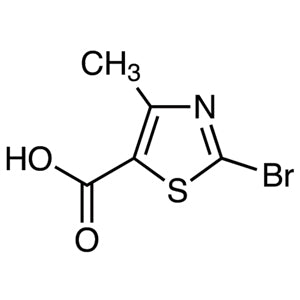
- TCI B5336 40003-41-6 2-Bromo-4-methylthiazole-5-carboxylic Acid
- TCI B4790 10406-06-1 5-Bromoindole-3-carboxylic Acid
- TCI B4605 7311-64-0 3-Bromothiophene-2-carboxylic Acid
- Organic synthesis applications benefit from this compound's reactivity and structural versatility, enabling the creation of complex heterocyclic molecules.
- Pharmaceutical research utilizes it as a building block for developing new drugs with targeted biological activities.
- Heterocyclic compound synthesis relies on its functional groups to facilitate chemical transformations and molecular modifications.
- Academic research in chemistry uses it to explore reaction mechanisms and synthetic pathways in organic chemistry.
- Drug discovery projects incorporate it to design and test compounds with potential therapeutic applications.
| Brand | TCI |
|---|---|
| CAS number | 51484-06-1 |
| Molecular formula | — |
| Purity | — |
| Category | Chemistry > Building Blocks > Heterocyclic Building Blocks |
| Pack sizes | Available in various quantities as per supplier specifications |
| Physical form | Solid (as per standard chemical properties) |
| Storage | Store in a cool, dry place away from light and moisture |
This compound should be stored in a cool, dry place, away from direct light and moisture to maintain its chemical stability. It is recommended to use airtight containers to prevent exposure to air and humidity, which could affect its reactivity. Due to its chemical nature, it should be handled in a well-ventilated area, and appropriate personal protective equipment, such as gloves and safety goggles, should be worn. Avoid contact with incompatible materials, and ensure proper disposal according to local regulations. Regular monitoring of storage conditions is advised to ensure the compound remains suitable for use in laboratory applications.
—
Produk Terkait
-
6-Bromochromone-3-carbonitrile TCI B4968
Regular price From Rp 1.643.250,00Regular priceRp 1.164.450,00Sale price From Rp 1.643.250,00 -
6-Bromochromone TCI B3335
Regular price Rp 1.934.100,00Regular priceRp 1.368.150,00Sale price Rp 1.934.100,00 -
4-Iodo-1-methylpyrazole-5-carboxylicAcid TCI I0786
Regular price From Rp 3.021.900,00Regular priceRp 2.128.350,00Sale price From Rp 3.021.900,00 -
2-Bromo-4-methylthiazole-5-carboxylicAcid TCI B5336
Regular price Rp 1.590.750,00Regular priceRp 1.127.700,00Sale price Rp 1.590.750,00 -
5-Bromoindole-3-carboxylicAcid TCI B4790
Regular price From Rp 2.942.100,00Regular priceRp 2.072.700,00Sale price From Rp 2.942.100,00 -
3-Bromothiophene-2-carboxylicAcid TCI B4605
Regular price From Rp 530.250,00Regular priceRp 386.400,00Sale price From Rp 530.250,00 -
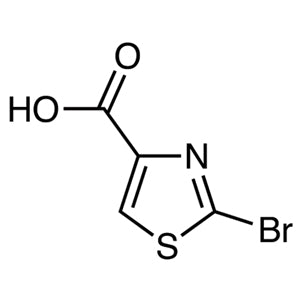
2-Bromothiazole-4-carboxylicAcid TCI B4578
Regular price Rp 1.483.650,00Regular priceRp 1.053.150,00Sale price Rp 1.483.650,00 -
6-Bromoindole-2-carboxylicAcid TCI B4334
Regular price From Rp 2.491.650,00Regular priceRp 1.757.700,00Sale price From Rp 2.491.650,00