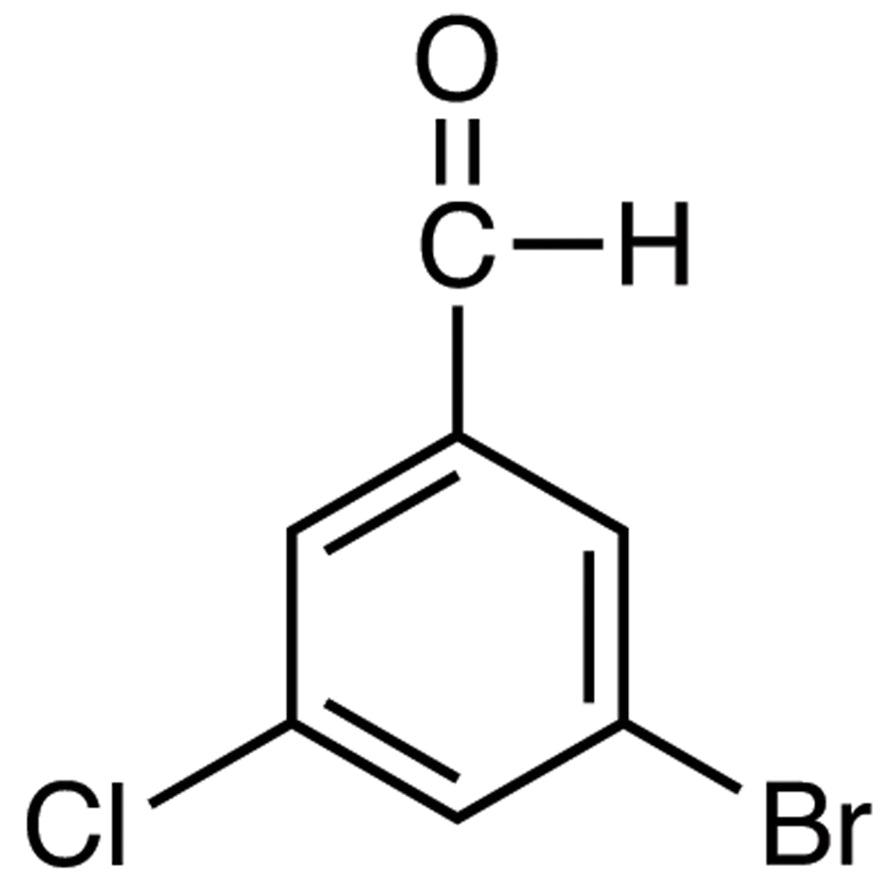
3-Bromo-5-chlorobenzaldehyde is a chemical compound widely used in organic reactions for the synthesis of complex molecules. As a key building block in chemical laboratories, it serves as a fundamental component in the creation of aromatic and heterocyclic compounds. Its unique structure, featuring both bromo and chloro substituents, makes it a versatile reagent in various synthetic pathways. This compound is particularly valuable for its reactivity and ability to participate in substitution and electrophilic reactions, making it a staple in synthetic chemistry.
The compound's chemical properties, including the presence of a reactive aldehyde group and halogen substituents, contribute to its high reactivity and stability in chemical reactions. These characteristics make it an ideal choice for researchers aiming to develop new compounds with specific functional groups. Its ability to undergo multiple reaction types, such as nucleophilic substitution and oxidation, further enhances its utility in laboratory settings. The combination of reactivity and structural versatility positions it as a preferred reagent in synthetic chemistry.
In Indonesian laboratories, 3-Bromo-5-chlorobenzaldehyde is commonly used in organic chemistry research, especially in the synthesis of bioactive compounds and the development of new chemical materials. Its availability and reliability in chemical reactions make it an essential component in both academic and industrial research settings. The compound's role in creating complex molecules with specific applications in pharmaceuticals and materials science underscores its importance in modern chemical research.
Related TCI products
- Organic synthesis of bioactive compounds due to its reactivity and substituent versatility.
- Development of new chemical materials through its ability to participate in electrophilic reactions.
- Synthesis of heterocyclic compounds as a building block with aromatic and halogen substituents.
- Research in pharmaceutical chemistry for the creation of drug-related molecules.
- Use in academic and industrial laboratories for the preparation of complex aromatic derivatives.
| Brand | TCI |
|---|---|
| CAS number | 188813-05-0 |
| Molecular formula | — |
| Purity | — |
| Category | Chemistry > Building Blocks > Non-Heterocyclic Building Blocks |
| Pack sizes | Available in standard laboratory quantities |
| Physical form | Solid or liquid depending on supplier packaging |
| Storage | Store in a cool, dry place away from light and moisture |
3-Bromo-5-chlorobenzaldehyde should be stored in a cool, dry place away from direct light and moisture to maintain its chemical integrity. It is recommended to use airtight containers to prevent exposure to air and potential degradation. Due to its reactivity, it should be handled in a well-ventilated area, ideally under a fume hood, to minimize inhalation risks. Laboratory personnel should wear appropriate personal protective equipment, including gloves and safety goggles, when handling this compound. Proper disposal methods should be followed to ensure compliance with environmental and safety regulations. The compound's chemical properties necessitate careful handling to prevent unwanted reactions or contamination during storage and use.
—
Produk Terkait
-
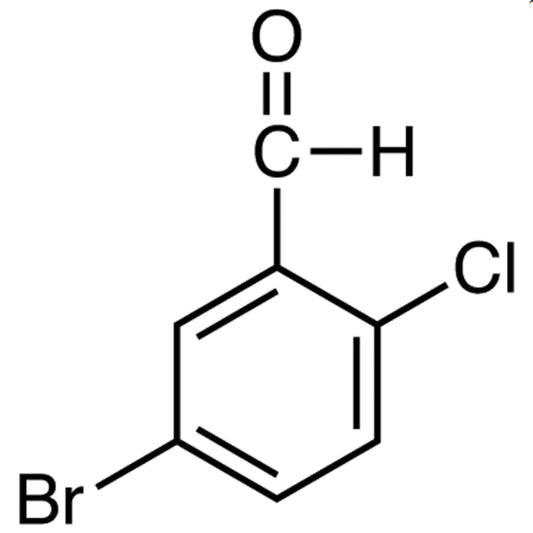
5-Bromo-2-chlorobenzaldehyde TCI B4756
Regular price From Rp 743.400,00Regular priceRp 519.750,00Sale price From Rp 743.400,00 -
4-Bromo-2-chlorobenzaldehyde TCI B3948
Regular price From Rp 1.908.900,00Regular priceRp 1.334.550,00Sale price From Rp 1.908.900,00 -
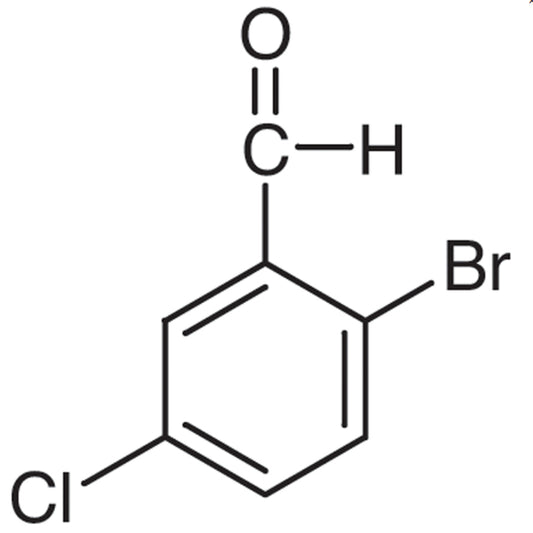
2-Bromo-5-chlorobenzaldehyde TCI B2955
Regular price From Rp 1.008.000,00Regular priceRp 704.550,00Sale price From Rp 1.008.000,00 -
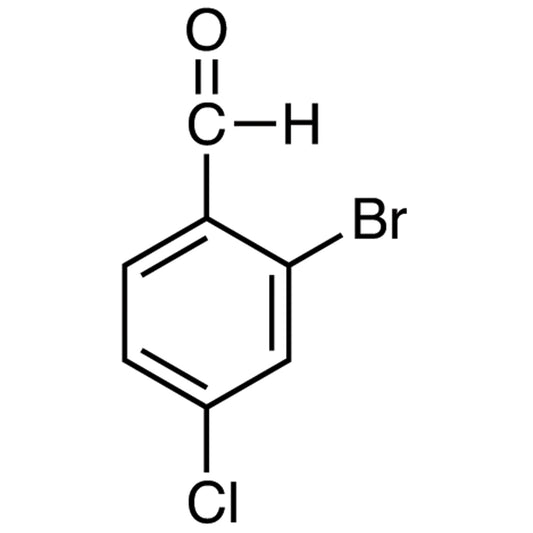
2-Bromo-4-chlorobenzaldehyde TCI B5524
Regular price From Rp 1.378.650,00Regular priceRp 963.900,00Sale price From Rp 1.378.650,00 -
2-Amino-5-chlorobenzaldehyde TCI A3064
Regular price From Rp 1.988.700,00Regular priceRp 1.405.950,00Sale price From Rp 1.988.700,00 -
2-Chlorobenzaldehyde TCI C0561
Regular price From Rp 477.750,00Regular priceRp 333.900,00Sale price From Rp 477.750,00 -
4-Chlorobenzaldehyde TCI C0125
Regular price From Rp 505.050,00Regular priceRp 352.800,00Sale price From Rp 505.050,00 -
3-Chlorobenzaldehyde TCI C0124
Regular price From Rp 530.250,00Regular priceRp 370.650,00Sale price From Rp 530.250,00