4-(4-Bromophenoxy)benzaldehyde is a chemical compound widely used in material science research, particularly in the development of liquid crystal materials. This compound plays a crucial role in laboratories where the synthesis of new materials with specific optical and electronic properties is required. Its molecular structure enables unique interactions with other molecules, making it a valuable tool in the creation of advanced functional materials. Due to its chemical stability and controlled reactivity, it is frequently employed in molecular modification and synthesis processes.
The compound's molecular structure, featuring both bromo and aldehyde functional groups, allows it to participate in substitution and condensation reactions. These characteristics make it an ideal choice for researchers aiming to achieve precise molecular modifications. Its versatility and chemical stability contribute to its popularity in both academic and industrial research settings. The compound's ability to interact with various molecular structures enhances its utility in the development of new materials with tailored properties.
In Indonesian laboratories, 4-(4-Bromophenoxy)benzaldehyde is commonly used in material science research, especially in the development of liquid crystals and organic compounds. It is a key component in studies related to information technology and energy applications. Researchers rely on this compound for its reliability and effectiveness in creating materials with specific functional properties. Its consistent performance in laboratory settings makes it a preferred choice for scientific investigations.
Related TCI products
- TCI T3624 117241-32-4 3,4,5-Tris(dodecyloxy)benzaldehyde
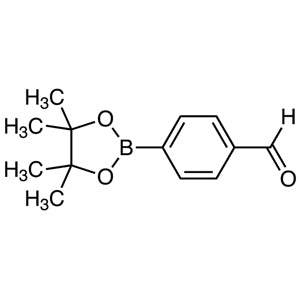
- TCI T2923 128376-64-7 4-(4,4,5,5-Tetramethyl-1,3,2-dioxaborolan-2-yl)benzaldehyde
- TCI T2256 659-28-9 4-(Trifluoromethoxy)benzaldehyde
- TCI T1091 455-19-6 4-(Trifluoromethyl)benzaldehyde
- TCI H0166 5736-94-7 4-(Hexyloxy)benzaldehyde
- TCI B0787 106-41-2 4-Bromophenol
- Liquid Crystal Development: This compound is essential for creating liquid crystal materials due to its molecular structure that facilitates alignment and phase transitions.
- Organic Synthesis: Its aldehyde and bromo groups allow for versatile chemical reactions, making it ideal for synthesizing complex organic compounds.
- Optical Material Research: The compound's optical properties make it suitable for studies involving light interaction and photonic applications.
- Electronic Material Innovation: Its chemical stability supports the development of materials with electronic properties for advanced technologies.
- Energy Storage Studies: It is used in research focused on creating materials with improved energy storage and conversion capabilities.
| Brand | TCI |
|---|---|
| CAS number | 69240-56-8 |
| Molecular formula | — |
| Purity | — |
| Category | Materials Science > Material Building Blocks > Liquid Crystal (LC) Building Blocks |
| Pack sizes | Available in various quantities as per standard laboratory supply |
| Physical form | Liquid |
| Storage | Store in a cool, dry place away from light and incompatible substances |
This compound should be stored in a cool, dry environment, away from direct sunlight and sources of heat. It is recommended to keep it in a sealed container to prevent exposure to moisture and air. Due to its chemical nature, it should be handled with appropriate personal protective equipment, including gloves and safety goggles. Storage should be in a well-ventilated area to minimize the risk of inhalation. Avoid contact with incompatible materials such as strong oxidizing agents. Regular monitoring of storage conditions ensures the compound remains stable and safe for use in laboratory settings.
—
Produk Terkait
-
3,4,5-Tris(dodecyloxy)benzaldehyde TCI T3624
Regular price From Rp 1.405.950,00Regular priceRp 982.800,00Sale price From Rp 1.405.950,00 -
4-(4,4,5,5-Tetramethyl-1,3,2-dioxaborolan-2-yl)benzaldehyde TCI T2923
Regular price From Rp 1.483.650,00Regular priceRp 1.053.150,00Sale price From Rp 1.483.650,00 -
4-(Trifluoromethoxy)benzaldehyde TCI T2256
Regular price From Rp 1.378.650,00Regular priceRp 963.900,00Sale price From Rp 1.378.650,00 -
4-(Trifluoromethyl)benzaldehyde TCI T1091
Regular price From Rp 903.000,00Regular priceRp 631.050,00Sale price From Rp 903.000,00 -
4-(Hexyloxy)benzaldehyde TCI H0166
Regular price Rp 2.359.350,00Regular priceRp 1.649.550,00Sale price Rp 2.359.350,00 -
4-Bromophenol TCI B0787
Regular price From Rp 664.650,00Regular priceRp 464.100,00Sale price From Rp 664.650,00 -
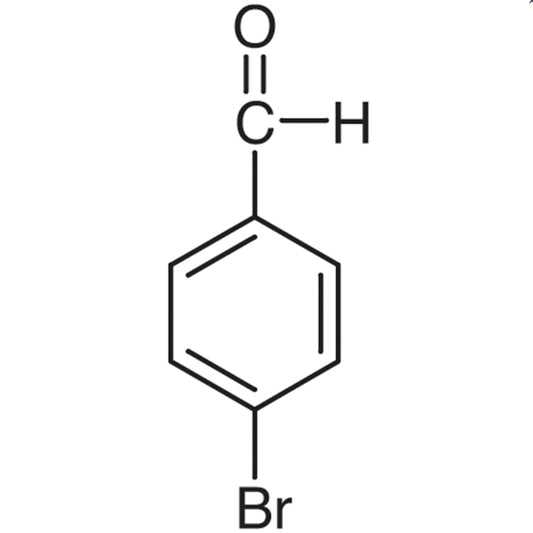
4-Bromobenzaldehyde TCI B0549
Regular price From Rp 2.199.750,00Regular priceRp 1.538.250,00Sale price From Rp 2.199.750,00 -
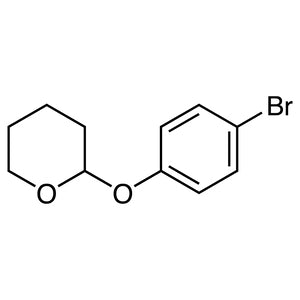
2-(4-Bromophenoxy)tetrahydro-2H-pyran TCI B6500
Regular price From Rp 1.272.600,00Regular priceRp 905.100,00Sale price From Rp 1.272.600,00