4-Bromo-2-fluoro-N-methylbenzamide is a chemical compound widely used as a building block in the synthesis of complex molecules. This compound contains bromo, fluoro, and amide functional groups, making it highly versatile in organic chemical reactions. In laboratory settings, it serves as a key component in the development of pharmaceuticals, synthetic materials, and intermediate compounds. Its unique molecular structure allows it to participate in various reaction mechanisms, including electrophilic and nucleophilic substitutions.
The presence of both bromo and fluoro groups gives this compound distinct electronic and reactive properties. These characteristics make it a preferred choice for researchers seeking to modify molecular structures with high precision. Its stability and reactivity under controlled conditions allow for predictable outcomes in synthetic processes. The compound’s ability to undergo multiple reaction pathways enhances its value in both academic and industrial research environments.
In Indonesian laboratories, 4-Bromo-2-fluoro-N-methylbenzamide is commonly used in organic chemistry and pharmaceutical research. It is a reliable reagent for synthesizing new compounds and is often selected for experiments requiring specialized starting materials. Its availability and consistent quality make it a trusted choice among scientists working on drug development and material science projects.
TCI brochures (PDF)
- Fluorination Reagents, Fluorinated Building Blocks 2026-03-18 · p. 21
Related TCI products
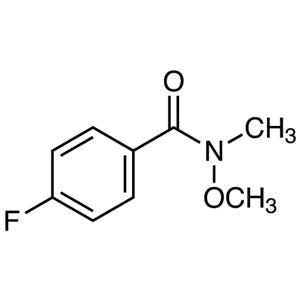
- TCI F1194 116332-54-8 4-Fluoro-N-methoxy-N-methylbenzamide
- TCI B5213 537050-14-9 2-Bromo-4'-fluoro-3'-(trifluoromethyl)acetophenone
- TCI B4872 10472-88-5 2-Bromo-4-fluoro-6-nitroaniline
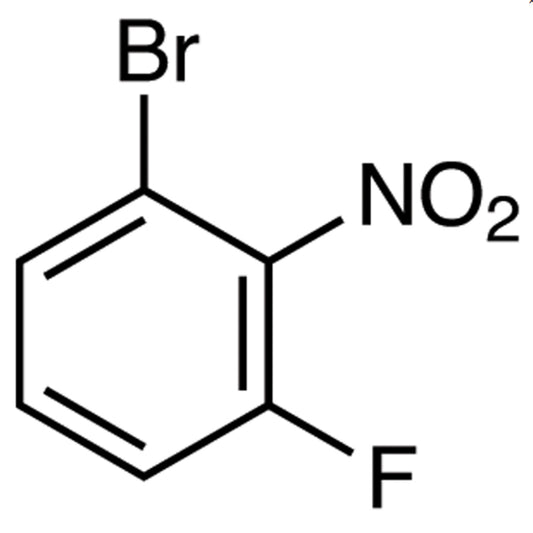
- TCI B4842 886762-70-5 1-Bromo-3-fluoro-2-nitrobenzene
- TCI B3808 105529-58-6 1-Bromo-3-fluoro-4-(trifluoromethoxy)benzene
- TCI B3062 321-23-3 4-Bromo-2-fluoro-1-nitrobenzene
- Organic synthesis applications benefit from this compound's ability to participate in multiple reaction mechanisms, making it ideal for creating complex molecular structures.
- Pharmaceutical research utilizes this compound as a building block for developing new drugs due to its reactivity and structural versatility.
- Synthetic material development leverages its functional groups to design polymers and other advanced materials with specific properties.
- Intermediate compound production relies on its stability and reactivity, allowing for efficient and scalable synthesis processes.
- Academic research in chemistry and pharmacology frequently incorporates this compound to explore new reaction pathways and molecular transformations.
| Brand | TCI |
|---|---|
| CAS number | 749927-69-3 |
| Molecular formula | — |
| Purity | — |
| Category | Chemistry > Building Blocks > Fluorinated Building Blocks |
| Pack sizes | Available in various quantities as per supplier specifications |
| Physical form | Solid (as per standard product description) |
| Storage | Store in a cool, dry place away from direct sunlight |
This compound should be stored in a cool, dry environment to maintain its chemical integrity. It is recommended to keep it in a sealed container to prevent moisture absorption and contamination. Due to its bromo and fluoro groups, it may react with certain substances, so it should be handled with care in a well-ventilated area. Appropriate personal protective equipment, such as gloves and safety goggles, should be worn during handling. It is important to avoid exposure to heat or direct light to ensure long-term stability. Proper storage conditions help preserve its reactivity and effectiveness in laboratory applications.
—
Produk Terkait
-
4-Fluoro-N-methoxy-N-methylbenzamide TCI F1194
Regular price From Rp 1.087.800,00Regular priceRp 775.950,00Sale price From Rp 1.087.800,00 -
2-Bromo-4'-fluoro-3'-(trifluoromethyl)acetophenone TCI B5213
Regular price From Rp 557.550,00Regular priceRp 405.300,00Sale price From Rp 557.550,00 -
2-Bromo-4-fluoro-6-nitroaniline TCI B4872
Regular price Rp 1.140.300,00Regular priceRp 796.950,00Sale price Rp 1.140.300,00 -
1-Bromo-3-fluoro-2-nitrobenzene TCI B4842
Regular price From Rp 1.273.650,00Regular priceRp 890.400,00Sale price From Rp 1.273.650,00 -
1-Bromo-3-fluoro-4-(trifluoromethoxy)benzene TCI B3808
Regular price From Rp 689.850,00Regular priceRp 481.950,00Sale price From Rp 689.850,00 -
4-Bromo-2-fluoro-1-nitrobenzene TCI B3062
Regular price From Rp 1.538.250,00Regular priceRp 1.075.200,00Sale price From Rp 1.538.250,00 -
2-Bromo-4-fluoro-1-nitrobenzene TCI B3061
Regular price Rp 1.988.700,00Regular priceRp 1.390.200,00Sale price Rp 1.988.700,00 -
1-Bromo-2-fluoro-4-nitrobenzene TCI B3060
Regular price From Rp 1.431.150,00Regular priceRp 1.000.650,00Sale price From Rp 1.431.150,00