2-Chlorophenyl Phosphorodichloridate is a phosphorylating agent supplied by TCI. Chemists use it to introduce a phosphate group into organic molecules. Its structure has a phosphorus atom bonded to a 2-chlorophenoxy group and two reactive chlorine atoms. The reagent is widely known in synthetic chemistry laboratories for preparing phosphate esters. It is also used in the phosphotriester method, where it forms internucleotide linkages during oligonucleotide synthesis. This makes it an important tool for researchers in bioorganic chemistry and nucleic acid chemistry who need a reliable way to build phosphorus-containing structures.
The reagent's main advantage is the two chlorine atoms on phosphorus. They can react one at a time with two different nucleophiles, such as two separate hydroxyl groups. This allows phosphate diester linkages to be formed in a controlled order rather than all at once. The 2-chlorophenyl group protects the phosphorus atom while the synthesis proceeds and can be removed later under suitable conditions. High reactivity combined with a removable protecting group is why chemists choose this reagent to assemble phosphate-bearing molecules systematically. Because it is highly sensitive to moisture, it needs careful handling to keep that reactivity.
In Indonesia, phosphorylating reagents like this one are relevant to synthetic organic chemistry laboratories at universities, research institutes, and industrial research and development groups. Researchers working on phosphate esters, nucleotide chemistry, or oligonucleotide assembly can use it in multistep synthesis programs. It also suits teaching and research groups that study phosphorus chemistry and protecting-group strategies. AMI Scientific supplies this TCI reagent to laboratories that need a well-characterised building block for phosphorylation work as part of their routine or exploratory synthesis.
TCI brochures (PDF)
- Nucleosides, Nucleotides, Nucleic Acids and Related Reagents 2026-03-23 · p. 14
Related TCI products
- TCI M0905 3279-26-3 Methyl Dichlorophosphite [Phosphitylating Agent]
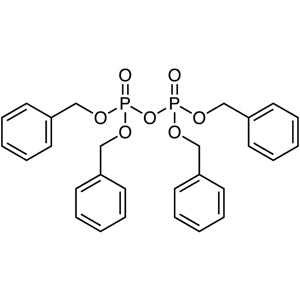
- TCI P1223 990-91-0 Tetrabenzyl Pyrophosphate
- TCI P0209 770-12-7 Phenyl Dichlorophosphate
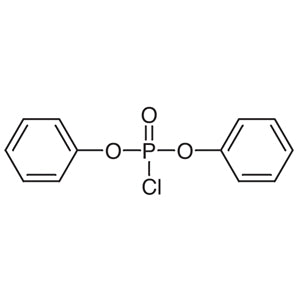
- TCI D1059 2524-64-3 Diphenyl Chlorophosphate
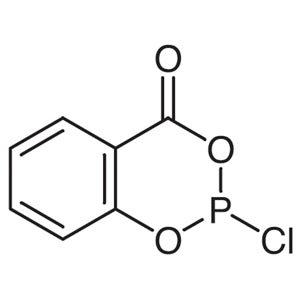
- TCI C1210 5381-99-7 2-Chloro-4H-1,3,2-benzodioxaphosphorin-4-one
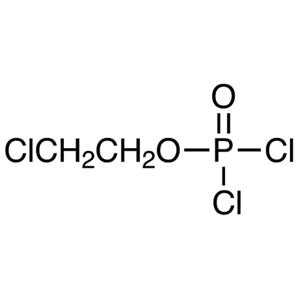
- TCI C0171 1455-05-6 2-Chloroethyl Phosphorodichloridate
- Phosphate ester synthesis: the reactive phosphorus–chlorine bonds let chemists attach a phosphate group to organic alcohols, which makes this reagent a direct route to phosphate esters.
- Oligonucleotide synthesis by the phosphotriester method: the reagent is well known for forming internucleotide bonds, which supports the stepwise assembly of nucleotide chains in nucleic acid research.
- Stepwise coupling of two different nucleophiles: the two chlorine atoms react one after the other, so two distinct hydroxyl-bearing molecules can be joined through a controlled phosphate diester linkage.
- Protecting-group strategies in phosphorus chemistry: the 2-chlorophenyl group protects the phosphorus atom during synthesis and can be removed later, which suits multistep routes that need temporary protection.
- Bioorganic chemistry research: groups studying phosphorylated biomolecules can use this reagent to build phosphate-containing structures systematically, combining high reactivity with a protecting group that can be removed later.
| Brand | TCI (product code C0976) |
|---|---|
| CAS number | 15074-54-1 |
| Molecular formula | — |
| Purity | — |
| Category | Chemistry > Building Blocks > Non-Heterocyclic Building Blocks |
| Pack sizes | See the available options on the product listing |
| Physical form | — |
| Storage | Highly sensitive to moisture; keep tightly sealed under dry conditions |
- Reagent type: Phosphorylating agent
2-Chlorophenyl Phosphorodichloridate is highly sensitive to moisture, so keep it away from humidity and water at all times. Store it in its original, tightly closed container in a cool, dry, well-ventilated area, preferably under a dry inert atmosphere once opened. Reseal the container promptly after each use to limit exposure to air. Handle the reagent in a fume hood and use dry glassware and equipment. Wear suitable personal protective equipment, including chemical-resistant gloves, safety goggles, and a laboratory coat. Keep it apart from incompatible materials, and always read the supplier's Safety Data Sheet before use for full hazard, handling, and disposal information.
—
Product Categories
- Building BlocksNon-Heterocyclic Building BlocksPhosphorus Compounds [Non-Heterocyclic Building Blocks]
- Chemical BiologyNucleic Acid ChemistryPhosphorylating Agents and Phosphorothioating Agents [Nucleic Acid Synthesis]
- Synthetic ReagentsC-X(Non-Halogen) Bond Formation [Synthetic Reagents]Phosphorylation [Synthetic Reagents]
- Pharmaceutical Development and Drug Discovery Research ReagentsNucleic Acid ChemistryPhosphorylating Agents and Phosphorothioating Agents [Nucleic Acid Synthesis]
Produk Terkait
-
MethylDichlorophosphite[PhosphitylatingAgent] TCI M0905
Regular price Rp 3.155.250,00Regular priceRp 2.206.050,00Sale price Rp 3.155.250,00 -
TetrabenzylPyrophosphate TCI P1223
Regular price Rp 2.068.500,00Regular priceRp 1.461.600,00Sale price Rp 2.068.500,00 -
PhenylDichlorophosphate TCI P0209
Regular price From Rp 742.350,00Regular priceRp 534.450,00Sale price From Rp 742.350,00 -
DiphenylChlorophosphate TCI D1059
Regular price From Rp 742.350,00Regular priceRp 534.450,00Sale price From Rp 742.350,00 -
2-Chloro-4H-1,3,2-benzodioxaphosphorin-4-one TCI C1210
Regular price From Rp 1.801.800,00Regular priceRp 1.275.750,00Sale price From Rp 1.801.800,00 -
2-ChloroethylPhosphorodichloridate TCI C0171
Regular price Rp 4.479.300,00Regular priceRp 3.147.900,00Sale price Rp 4.479.300,00 -
Bis(tetrabutylammonium)DihydrogenPyrophosphate TCI B5440
Regular price From Rp 4.293.450,00Regular priceRp 3.017.700,00Sale price From Rp 4.293.450,00