


Diphenyl Chlorophosphate is a chemical compound widely used as a building block in organic synthesis. It serves as a versatile reagent that enables substitution reactions and other chemical transformations under various laboratory conditions. This compound is particularly valuable for its ability to participate in the formation of ester and phosphate bonds, making it essential in the development of complex molecular structures. Its role in organic chemistry is critical, especially in research settings where precise control over chemical reactions is required.
The chemical properties of Diphenyl Chlorophosphate make it a preferred choice for laboratory applications. It exhibits stability under certain conditions but is highly reactive towards water and other polar substances. This reactivity necessitates careful handling and storage to maintain its integrity. Its ability to engage in multiple types of chemical reactions also makes it a valuable tool for chemists seeking to explore diverse synthetic pathways. The compound’s reactivity and versatility contribute to its widespread use in both academic and industrial research.
In Indonesian laboratories, Diphenyl Chlorophosphate is commonly used in organic chemistry research, particularly in universities and research institutions focused on the synthesis of new compounds. Its application is prevalent in projects involving esterification, phosphate ester formation, and other synthetic processes. The compound’s utility in creating complex molecules has made it an essential component of many chemical research programs in Indonesia.
TCI brochures (PDF)
- Glycosidation 2026-04-14 · p. 3
- Nucleosides, Nucleotides, Nucleic Acids and Related Reagents 2026-03-23 · p. 14
- Reagents for Glyco Chemistry & Biology 5th Edition · p. 138
Related TCI products
- TCI P0209 770-12-7 Phenyl Dichlorophosphate
- TCI M0905 3279-26-3 Methyl Dichlorophosphite [Phosphitylating Agent]
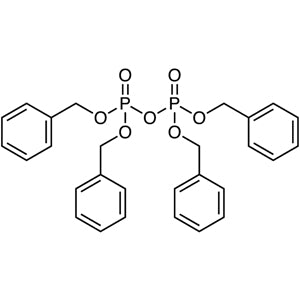
- TCI P1223 990-91-0 Tetrabenzyl Pyrophosphate
- TCI P0801 838-85-7 Diphenyl Phosphate
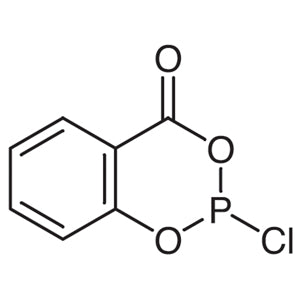
- TCI C1210 5381-99-7 2-Chloro-4H-1,3,2-benzodioxaphosphorin-4-one
- TCI C0978 207121-42-4 Barium 2-Cyanoethylphosphate Hydrate [Phosphorylating Agent]
- Organic Synthesis: Diphenyl Chlorophosphate is widely used in the synthesis of esters and phosphate esters due to its reactivity and versatility in forming complex molecular structures.
- Pharmaceutical Research: It is a key reagent in the development of new pharmaceutical compounds, particularly in the formation of phosphate ester linkages.
- Academic Research: Universities and research institutions use it extensively in teaching and research to demonstrate chemical reactivity and synthetic techniques.
- Industrial Chemistry: It is employed in industrial settings for the production of various chemical intermediates and specialty compounds.
- Analytical Chemistry: It serves as a standard reagent for testing and characterizing other chemical compounds in analytical laboratories.
From the TCI brochure
- Glycosyl phosphate formation with NaH (scheme)
| Brand | TCI |
|---|---|
| CAS number | 2524-64-3 |
| Molecular formula | — |
| Purity | — |
| Category | Chemistry > Building Blocks > Non-Heterocyclic Building Blocks |
| Pack sizes | Available in various quantities as per supplier specifications |
| Physical form | Solid or liquid, depending on the specific product variant |
| Storage | Requires storage in a cool, dry place away from moisture and incompatible substances |
Diphenyl Chlorophosphate should be stored in a cool, dry environment to prevent degradation. It is essential to keep the compound away from moisture and polar solvents to maintain its chemical integrity. Suitable containers should be sealed and made of materials that do not react with the compound, such as glass or inert polymer. Due to its reactivity, it is recommended to handle the material with appropriate personal protective equipment, including gloves and safety goggles. Proper ventilation should be maintained in the laboratory to minimize exposure. Regular monitoring of storage conditions is necessary to ensure the compound remains stable and safe for use.
—
Product Categories
- Building BlocksNon-Heterocyclic Building BlocksPhosphorus Compounds [Non-Heterocyclic Building Blocks]
- Chemical BiologyGlycoscienceReagents for Oligosaccharide Synthesis [Glycoscience]
- Chemical BiologyNucleic Acid ChemistryPhosphorylating Agents and Phosphorothioating Agents [Nucleic Acid Synthesis]
- Synthetic ReagentsC-X(Non-Halogen) Bond Formation [Synthetic Reagents]Phosphorylation [Synthetic Reagents]
- Pharmaceutical Development and Drug Discovery Research ReagentsNucleic Acid ChemistryPhosphorylating Agents and Phosphorothioating Agents [Nucleic Acid Synthesis]
Produk Terkait
-
PhenylDichlorophosphate TCI P0209
Regular price From Rp 742.350,00Regular priceRp 534.450,00Sale price From Rp 742.350,00 -
MethylDichlorophosphite[PhosphitylatingAgent] TCI M0905
Regular price Rp 3.155.250,00Regular priceRp 2.206.050,00Sale price Rp 3.155.250,00 -
TetrabenzylPyrophosphate TCI P1223
Regular price Rp 2.068.500,00Regular priceRp 1.461.600,00Sale price Rp 2.068.500,00 -
DiphenylPhosphate TCI P0801
Regular price From Rp 980.700,00Regular priceRp 701.400,00Sale price From Rp 980.700,00 -
2-Chloro-4H-1,3,2-benzodioxaphosphorin-4-one TCI C1210
Regular price From Rp 1.801.800,00Regular priceRp 1.275.750,00Sale price From Rp 1.801.800,00 -
Barium2-CyanoethylphosphateHydrate[PhosphorylatingAgent] TCI C0978
Regular price From Rp 1.696.800,00Regular priceRp 1.202.250,00Sale price From Rp 1.696.800,00 -
2-ChlorophenylPhosphorodichloridate[PhosphorylatingAgent] TCI C0976
Regular price Rp 717.150,00Regular priceRp 516.600,00Sale price Rp 717.150,00 -
DibenzylPhosphate TCI P1120
Regular price From Rp 1.801.800,00Regular priceRp 1.275.750,00Sale price From Rp 1.801.800,00


![TCI M0905 3279-26-3 Methyl Dichlorophosphite [Phosphitylating Agent]](http://amiscientific.com/cdn/shop/files/TCI2510M0905_dfe1998f-4033-44e7-80ca-59818558b6ba.jpg?v=1792647634&width=533)
![3279-26-3 Methyl Dichlorophosphite [Phosphitylating Agent] - AMI Scientific](http://amiscientific.com/cdn/shop/files/TCI2510M0905.jpg?v=1767123955&width=533)



![TCI C0978 207121-42-4 Barium 2-Cyanoethylphosphate Hydrate [Phosphorylating Agent]](http://amiscientific.com/cdn/shop/files/TCI2510C0978_d9ca5751-9caf-4a24-898c-942b570da452.jpg?v=1792633320&width=533)
![Barium 2-Cyanoethylphosphate Hydrate [Phosphorylating Agent] (CAS 207121-42-4) - TCI C0978 - AMI Scientific](http://amiscientific.com/cdn/shop/files/TCI2510C0978.jpg?v=1767096137&width=533)
![TCI C0976 15074-54-1 2-Chlorophenyl Phosphorodichloridate [Phosphorylating Agent]](http://amiscientific.com/cdn/shop/files/TCI2510C0976_28de8976-bcdf-4cf7-8a30-eb1a8b02898a.jpg?v=1792633317&width=533)
![2-Chlorophenyl Phosphorodichloridate [Phosphorylating Agent] (CAS 15074-54-1) - TCI C0976 - AMI Scientific](http://amiscientific.com/cdn/shop/files/TCI2510C0976.jpg?v=1767096129&width=533)

