![3-Chloro-10,11-dihydro-5H-dibenzo[b,f]azepine (CAS 32943-25-2) - TCI C1866 - AMI Scientific](http://amiscientific.com/cdn/shop/files/TCI2510C1866.jpg?v=1767097507&width=1946)
![3-Chloro-10,11-dihydro-5H-dibenzo[b,f]azepine (CAS 32943-25-2) - TCI C1866 - AMI Scientific](http://amiscientific.com/cdn/shop/files/TCI2510C1866.jpg?v=1767097507&width=1445)
3-Chloro-10,11-dihydro-5H-dibenzo[b,f]azepine is a chemical compound widely used in laboratory settings as a building block for the synthesis of complex heterocyclic compounds. This molecule belongs to the azepine family and is known for its structural versatility, making it a valuable tool in organic chemistry research. Its role in the laboratory is primarily to serve as a precursor for the development of bioactive molecules, particularly in pharmaceutical and medicinal chemistry applications. Due to its unique molecular structure, it can participate in various chemical reactions, enabling the creation of a wide range of derivatives with potential therapeutic applications.
The compound is valued for its chemical stability under controlled conditions, which allows for reliable use in synthetic processes. However, it is sensitive to oxidizing agents and high temperatures, requiring careful handling to maintain its integrity. These properties make it a preferred choice for researchers who need a stable yet reactive starting material for complex molecule synthesis. Its ability to form stable intermediates and its compatibility with a variety of functional groups further enhance its utility in synthetic chemistry.
In Indonesian laboratories, this compound is extensively used in organic chemistry research, particularly in the development of new bioactive compounds. It is commonly found in academic and research institutions focused on pharmacology and medicinal chemistry. Its application supports the creation of novel therapeutic agents, making it a key component in drug discovery and development programs.
Related TCI products
- TCI A2093 25961-11-9 5-Acetyl-3-chloro-10,11-dihydrodibenzo[b,f]azepine
- TCI D3565 33948-19-5 10,11-Dihydro-5H-dibenzo[b,f]azepine-5-carbonyl Chloride
- TCI C3181 31251-41-9 8-Chloro-5,6-dihydro-11H-benzo[5,6]cyclohepta[1,2-b]pyridin-11-one
- TCI D6528 1796549-32-0 3,11-Dibromo-7H-dibenzo[c,g]carbazole
- TCI M1895 4698-11-7 10-Methoxy-5H-dibenzo[b,f]azepine
- TCI B3868 927384-46-1 2-(5-Bromo-2-thienyl)-2,3-dihydro-1H-naphtho[1,8-de][1,3,2]diazaborine
- Pharmaceutical research utilizes this compound for the synthesis of bioactive molecules due to its structural versatility and reactivity.
- Medicinal chemistry applications benefit from its ability to form stable intermediates, supporting the development of new therapeutic agents.
- Organic synthesis projects rely on its role as a heterocyclic building block, enabling the creation of complex molecular structures.
- Academic research institutions use it to explore its potential in drug discovery and pharmacological studies.
- Industrial chemical processes incorporate it as a precursor for the production of specialized chemical intermediates.
| Brand | TCI |
|---|---|
| CAS number | 32943-25-2 |
| Molecular formula | — |
| Purity | — |
| Category | Chemistry > Building Blocks > Heterocyclic Building Blocks |
| Pack sizes | Available in various quantities as per standard laboratory supply |
| Physical form | Solid |
| Storage | Requires storage in a cool, dry place away from oxidizing agents and high temperatures |
This compound should be stored in a cool, dry environment, away from direct sunlight and sources of heat. It is recommended to use airtight containers to prevent exposure to moisture and air, which may affect its stability. Due to its sensitivity to oxidizing agents, it should be kept separate from such substances to avoid degradation. Laboratory personnel should wear appropriate personal protective equipment, including gloves and safety goggles, when handling this material. Proper ventilation is essential to minimize inhalation risks. Regular monitoring of storage conditions ensures the compound remains in optimal condition for use in research applications.
—
Produk Terkait
-
5-Acetyl-3-chloro-10,11-dihydrodibenzo[b,f]azepine TCI A2093
Regular price From Rp 717.150,00Regular price -
10,11-Dihydro-5H-dibenzo[b,f]azepine-5-carbonylChloride TCI D3565
Regular price From Rp 2.199.750,00Regular price -
8-Chloro-5,6-dihydro-11H-benzo[5,6]cyclohepta[1,2-b]pyridin-11-one TCI C3181
Regular price From Rp 1.829.100,00Regular price -
3,11-Dibromo-7H-dibenzo[c,g]carbazole TCI D6528
Regular price From Rp 2.359.350,00Regular price -
10-Methoxy-5H-dibenzo[b,f]azepine TCI M1895
Regular price Rp 1.431.150,00Regular price -
2-(5-Bromo-2-thienyl)-2,3-dihydro-1H-naphtho[1,8-de][1,3,2]diazaborine TCI B3868
Regular price From Rp 1.724.100,00Regular price -
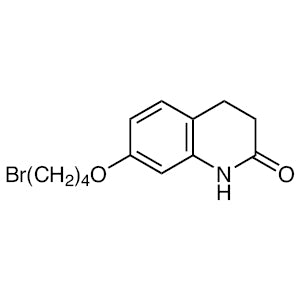
7-(4-Bromobutoxy)-3,4-dihydro-2(1H)-quinolinone TCI B3333
Regular price From Rp 689.850,00Regular price -
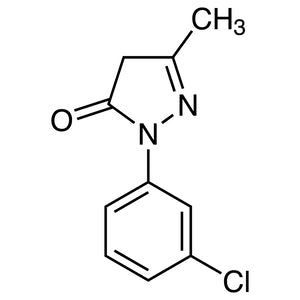
2-(3-Chlorophenyl)-5-methyl-2,4-dihydro-3H-pyrazol-3-one TCI C3919
Regular price From Rp 1.167.600,00Regular price
![25961-11-9 5-Acetyl-3-chloro-10,11-dihydrodibenzo[b,f]azepine - AMI Scientific](http://amiscientific.com/cdn/shop/files/TCI2510A2093.jpg?v=1767082317&width=533)
![10,11-Dihydro-5H-dibenzo[b,f]azepine-5-carbonyl Chloride (CAS 33948-19-5) - TCI D3565 - AMI Scientific](http://amiscientific.com/cdn/shop/files/TCI2510D3565.jpg?v=1767106254&width=533)
![8-Chloro-5,6-dihydro-11H-benzo[5,6]cyclohepta[1,2-b]pyridin-11-one (CAS 31251-41-9) - TCI C3181 - AMI Scientific](http://amiscientific.com/cdn/shop/files/TCI2510C3181.jpg?v=1768817042&width=533)
![3,11-Dibromo-7H-dibenzo[c,g]carbazole (CAS 1796549-32-0) - TCI D6528 - AMI Scientific](http://amiscientific.com/cdn/shop/files/TCI2510D6528.jpg?v=1767110368&width=533)
![4698-11-7 10-Methoxy-5H-dibenzo[b,f]azepine - AMI Scientific](http://amiscientific.com/cdn/shop/files/TCI2510M1895.jpg?v=1767125739&width=533)
![TCI B3868 927384-46-1 2-(5-Bromo-2-thienyl)-2,3-dihydro-1H-naphtho[1,8-de][1,3,2]diazaborine — struktur kimia](http://amiscientific.com/cdn/shop/files/TCI2510B3868-struktur.jpg?v=1791525323&width=533)