![25961-11-9 5-Acetyl-3-chloro-10,11-dihydrodibenzo[b,f]azepine - AMI Scientific](http://amiscientific.com/cdn/shop/files/TCI2510A2093.jpg?v=1767082317&width=1946)
![25961-11-9 5-Acetyl-3-chloro-10,11-dihydrodibenzo[b,f]azepine - AMI Scientific](http://amiscientific.com/cdn/shop/files/TCI2510A2093.jpg?v=1767082317&width=1445)
5-Acetyl-3-chloro-10,11-dihydrodibenzo[b,f]azepine is a chemical compound widely used as a building block in the synthesis of complex heterocyclic compounds. This material plays a crucial role in organic chemistry laboratories, where it serves as a foundational component for creating more intricate molecular structures. Its versatility makes it an essential tool for researchers working on advanced chemical synthesis projects. Due to its structural complexity and chemical stability, it is frequently utilized in various scientific disciplines, including pharmacology and medicinal chemistry.
The compound's unique chemical properties, such as its reactivity and stability under controlled conditions, make it a preferred choice for synthetic chemists. Its ability to participate in a wide range of chemical reactions allows for the development of new compounds with specific biological activities. The presence of heteroatoms and carbon chains in its structure enhances its utility in creating molecules with targeted pharmacological effects. These characteristics ensure that it remains a reliable and efficient reagent in laboratory settings.
In Indonesian laboratories, 5-Acetyl-3-chloro-10,11-dihydrodibenzo[b,f]azepine is commonly used in academic and research institutions. It supports scientific investigations in pharmaceutical development, drug discovery, and chemical synthesis. Its availability and chemical properties make it a valuable resource for researchers aiming to produce compounds with therapeutic potential. Its role in advancing scientific research in Indonesia is significant and growing.
Related TCI products
- TCI C1866 32943-25-2 3-Chloro-10,11-dihydro-5H-dibenzo[b,f]azepine
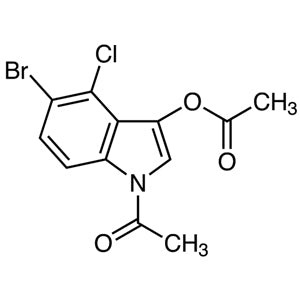
- TCI A2923 3030-06-6 1-Acetyl-5-bromo-4-chloro-3-indolyl Acetate
- TCI D3565 33948-19-5 10,11-Dihydro-5H-dibenzo[b,f]azepine-5-carbonyl Chloride
- TCI D3416 1531-77-7 6,11-Dihydrodibenzo[b,e]thiepin-11-one
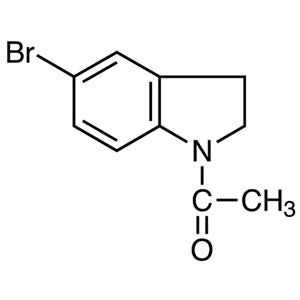
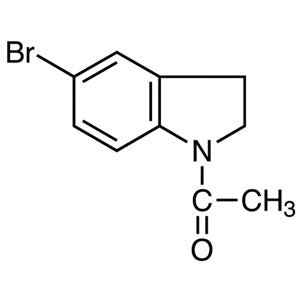
- TCI A2924 22190-38-1 1-Acetyl-5-bromoindoline
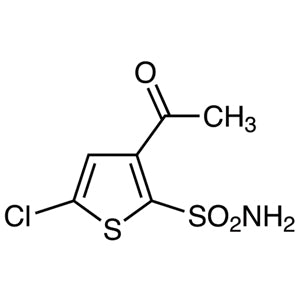
- TCI A2667 160982-10-5 3-Acetyl-2-(aminosulfonyl)-5-chlorothiophene
- Used in pharmaceutical research for the synthesis of compounds with antidepressant and anti-inflammatory properties due to its structural versatility and reactivity.
- Applied in medicinal chemistry to develop new drugs by providing a stable and reactive platform for molecular modification.
- Utilized in organic synthesis projects to create complex heterocyclic structures that are essential in drug design and development.
- Employed in academic research settings to support studies on chemical reactivity and molecular behavior in controlled environments.
- Integrated into drug discovery programs to explore potential therapeutic applications through synthetic pathway optimization.
| Brand | TCI |
|---|---|
| CAS number | 25961-11-9 |
| Molecular formula | — |
| Purity | — |
| Category | Chemistry > Building Blocks > Heterocyclic Building Blocks |
| Pack sizes | Available in standard laboratory quantities as per supplier specifications |
| Physical form | Solid (as per standard chemical product form) |
| Storage | Store in a cool, dry place away from light and moisture |
This compound should be stored in a cool, dry environment, away from direct light and moisture to maintain its chemical integrity. It is recommended to use airtight containers to prevent exposure to air and humidity. Due to its chemical nature, it should be handled in a well-ventilated laboratory space to minimize inhalation risks. General laboratory safety practices, such as wearing appropriate personal protective equipment, should be followed when handling this material. Proper storage and handling ensure the compound remains stable and suitable for use in chemical synthesis and research applications.
—
Produk Terkait
-
3-Chloro-10,11-dihydro-5H-dibenzo[b,f]azepine TCI C1866
Regular price Rp 1.643.250,00Regular priceRp 1.164.450,00Sale price Rp 1.643.250,00 -
1-Acetyl-5-bromo-4-chloro-3-indolylAcetate TCI A2923
Regular price Rp 2.518.950,00Regular priceRp 1.776.600,00Sale price Rp 2.518.950,00 -
10,11-Dihydro-5H-dibenzo[b,f]azepine-5-carbonylChloride TCI D3565
Regular price Rp 2.252.250,00Regular priceRp 1.590.750,00Sale price Rp 2.252.250,00 -
6,11-Dihydrodibenzo[b,e]thiepin-11-one TCI D3416
Regular price Rp 900.900,00Regular priceRp 645.750,00Sale price Rp 900.900,00 -
1-Acetyl-5-bromoindoline TCI A2924
Regular price Rp 2.439.150,00Regular priceRp 1.720.950,00Sale price Rp 2.439.150,00 -
3-Acetyl-2-(aminosulfonyl)-5-chlorothiophene TCI A2667
Regular price Rp 1.670.550,00Regular priceRp 1.183.350,00Sale price Rp 1.670.550,00 -
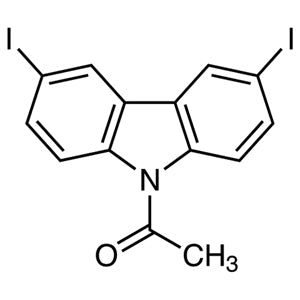
9-Acetyl-3,6-diiodocarbazole TCI A2051
Regular price Rp 2.597.700,00Regular priceRp 1.832.250,00Sale price Rp 2.597.700,00 -
2-Acetyl-5-chlorothiophene TCI A1471
Regular price Rp 1.378.650,00Regular priceRp 979.650,00Sale price Rp 1.378.650,00
![3-Chloro-10,11-dihydro-5H-dibenzo[b,f]azepine (CAS 32943-25-2) - TCI C1866 - AMI Scientific](http://amiscientific.com/cdn/shop/files/TCI2510C1866.jpg?v=1767097507&width=533)
![10,11-Dihydro-5H-dibenzo[b,f]azepine-5-carbonyl Chloride (CAS 33948-19-5) - TCI D3565 - AMI Scientific](http://amiscientific.com/cdn/shop/files/TCI2510D3565.jpg?v=1767106254&width=533)
![6,11-Dihydrodibenzo[b,e]thiepin-11-one (CAS 1531-77-7) - TCI D3416 - AMI Scientific](http://amiscientific.com/cdn/shop/files/TCI2510D3416.jpg?v=1767106055&width=533)