7-(4-Bromobutoxy)-3,4-dihydro-2(1H)-quinolinone is a chemical compound widely used in organic synthesis reactions, particularly in the formation of heterocyclic compounds. This building block plays a crucial role in laboratories where complex molecular structures are being developed. Its unique chemical structure, featuring a bromo group and a cyclic framework, makes it a versatile tool for chemists aiming to create new compounds with specific functionalities. It is especially valuable in research settings that require precise chemical modifications and controlled reactivity.
The compound’s molecular structure provides a stable yet reactive platform for further chemical transformations. Its bromo substituent enhances its utility in substitution reactions, making it a preferred choice for synthetic chemists. The compound’s controlled reactivity allows for high precision in laboratory settings, ensuring predictable outcomes in complex synthesis processes. These properties make it an essential component in the development of pharmaceutical and industrial compounds.
In Indonesian laboratories, this compound is commonly used in both fundamental and applied chemical research. It is particularly relevant in pharmaceutical and material science fields, where the synthesis of new compounds with therapeutic or functional properties is a priority. Researchers in universities and research institutions rely on this compound to advance their studies in drug development and advanced material synthesis.
Related TCI products
- TCI D5773 4295-36-7 2,3-Dihydro-4(1H)-quinolinone
- TCI D3599 22246-18-0 3,4-Dihydro-7-hydroxy-2(1H)-quinolinone
- TCI D3448 54197-66-9 3,4-Dihydro-6-hydroxy-2(1H)-quinolinone
- TCI B3868 927384-46-1 2-(5-Bromo-2-thienyl)-2,3-dihydro-1H-naphtho[1,8-de][1,3,2]diazaborine
- TCI D3565 33948-19-5 10,11-Dihydro-5H-dibenzo[b,f]azepine-5-carbonyl Chloride
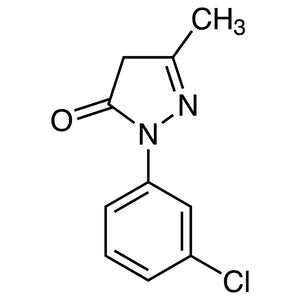
- TCI C3919 90-31-3 2-(3-Chlorophenyl)-5-methyl-2,4-dihydro-3H-pyrazol-3-one
- Organic synthesis of heterocyclic compounds due to its cyclic structure and bromo substituent.
- Development of pharmaceutical compounds for drug discovery and therapeutic applications.
- Research in material science for the creation of functional polymers and advanced materials.
- Synthesis of complex molecules requiring precise chemical modifications and controlled reactivity.
- Use in academic research settings for teaching and experimental studies in chemical synthesis.
| Brand | TCI |
|---|---|
| CAS number | 129722-34-5 |
| Molecular formula | — |
| Purity | — |
| Category | Chemistry > Building Blocks > Heterocyclic Building Blocks |
| Pack sizes | Available in various quantities as per standard laboratory supply |
| Physical form | Solid or liquid depending on supplier packaging |
| Storage | Store in a cool, dry place away from light and moisture |
This compound should be stored in a cool, dry environment, away from direct light and moisture to maintain its chemical stability. It is recommended to use airtight containers made of glass or high-density polyethylene to prevent contamination and degradation. In laboratory settings, it should be handled with appropriate personal protective equipment, such as gloves and safety goggles, to ensure safety during synthesis and experimentation. Proper ventilation is also essential when working with this compound to minimize exposure to vapors. Always follow standard chemical handling protocols to ensure safe and effective use in research applications.
—
Produk Terkait
-
2,3-Dihydro-4(1H)-quinolinone TCI D5773
Regular price From Rp 4.161.150,00Regular priceRp 2.925.300,00Sale price From Rp 4.161.150,00 -
3,4-Dihydro-7-hydroxy-2(1H)-quinolinone TCI D3599
Regular price From Rp 822.150,00Regular priceRp 590.100,00Sale price From Rp 822.150,00 -
3,4-Dihydro-6-hydroxy-2(1H)-quinolinone TCI D3448
Regular price From Rp 1.378.650,00Regular priceRp 979.650,00Sale price From Rp 1.378.650,00 -
2-(5-Bromo-2-thienyl)-2,3-dihydro-1H-naphtho[1,8-de][1,3,2]diazaborine TCI B3868
Regular price From Rp 1.776.600,00Regular priceRp 1.257.900,00Sale price From Rp 1.776.600,00 -
10,11-Dihydro-5H-dibenzo[b,f]azepine-5-carbonylChloride TCI D3565
Regular price From Rp 2.252.250,00Regular priceRp 1.590.750,00Sale price From Rp 2.252.250,00 -
2-(3-Chlorophenyl)-5-methyl-2,4-dihydro-3H-pyrazol-3-one TCI C3919
Regular price From Rp 1.220.100,00Regular priceRp 868.350,00Sale price From Rp 1.220.100,00 -
8-Chloro-5,6-dihydro-11H-benzo[5,6]cyclohepta[1,2-b]pyridin-11-one TCI C3181
Regular price From Rp 1.881.600,00Regular priceRp 1.331.400,00Sale price From Rp 1.881.600,00 -
3-Chloro-10,11-dihydro-5H-dibenzo[b,f]azepine TCI C1866
Regular price From Rp 1.643.250,00Regular priceRp 1.164.450,00Sale price From Rp 1.643.250,00