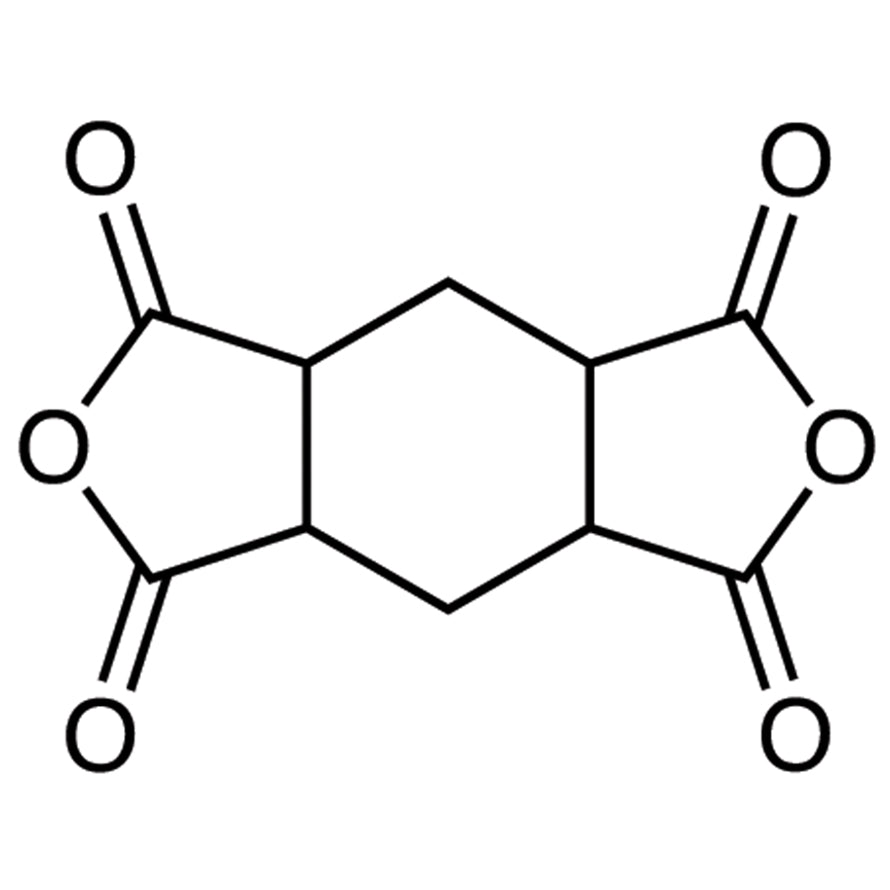
1,2,4,5-Cyclohexanetetracarboxylic Dianhydride (C2419) is a chemical compound widely used in laboratory settings for polymer and material science applications. This anhydride-based compound plays a crucial role in the synthesis of various polymers and composite materials. Its chemical structure allows it to participate in polymerization reactions with a range of monomers, making it a versatile reagent in both academic and industrial research. Due to its chemical stability and reactivity, it is frequently employed in experiments requiring precise control over chemical reactions and material properties.
The compound is preferred for its predictable chemical behavior and compatibility with a variety of reagents, such as amines and acids. Its anhydride form facilitates efficient reactions, contributing to the formation of high-performance polymers and functional materials. The compound's stability under controlled conditions ensures consistent results, which is essential for reproducibility in scientific research. These properties make it a reliable choice for researchers working on polymer synthesis and material modification projects.
In Indonesian laboratories, 1,2,4,5-Cyclohexanetetracarboxylic Dianhydride is commonly used in material science and chemical research. It is a key component in experiments involving polymerization and the synthesis of complex compounds. Many research institutions and universities rely on this compound for its reliability and effectiveness in producing high-quality materials. Its widespread use underscores its importance in advancing scientific knowledge and technological innovation in the region.
- Polymer synthesis and composite material development due to its ability to react with various monomers and form stable polymers.
- Material modification research as it enables the creation of functional and high-performance materials through controlled chemical reactions.
- Chemical synthesis experiments where predictable reactivity and stability are essential for accurate and reproducible results.
- Academic and industrial research projects focused on developing new polymers and advanced materials with specific properties.
- Laboratory testing of chemical compatibility and reaction efficiency with different reagents such as amines and acids.
| Brand | TCI |
|---|---|
| CAS number | 2754-41-8 |
| Molecular formula | — |
| Purity | — |
| Category | Materials Science > Polymer/Macromolecule Reagents > Monomers |
| Pack sizes | Available in standard laboratory quantities as per supplier specifications |
| Physical form | Solid anhydride |
| Storage | Store in a cool, dry place away from moisture and direct sunlight |
This compound should be stored in a cool, dry environment to maintain its chemical stability and prevent degradation. It is recommended to use airtight containers to protect it from moisture and contaminants. Due to its anhydride nature, it should be handled with care to avoid exposure to moisture, which can lead to hydrolysis. Proper ventilation is essential when working with this compound to minimize inhalation risks. Laboratory personnel should wear appropriate personal protective equipment, including gloves and safety goggles, when handling the material. It is important to keep the compound away from incompatible substances to ensure safe storage and usage in the laboratory.
—
Produk Terkait
-
Bicyclo[2.2.2]octane-1,4-dicarboxylicAcid TCI B5595
Regular price Rp 4.957.050,00Regular price -
Bicyclo[2.2.2]octane-2,3,5,6-tetracarboxylic2,3:5,6-Dianhydride TCI B6198
Regular price From Rp 2.995.650,00Regular price -
Bicyclo[1.1.1]pentane-1,3-dicarboxylicAcid TCI B6522
Regular price Rp 4.797.450,00Regular price -
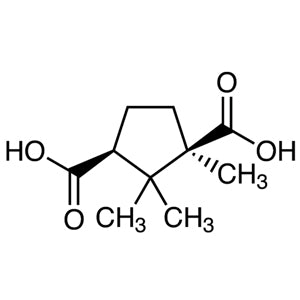
(+)-CamphoricAcid TCI C0012
Regular price From Rp 1.220.100,00Regular price -
cis-1,2-CyclohexanedicarboxylicAcid TCI C0458
Regular price From Rp 1.008.000,00Regular price -
trans-1,2-CyclohexanedicarboxylicAcid TCI C0474
Regular price From Rp 2.199.750,00Regular price -
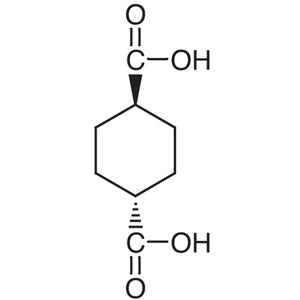
trans-1,4-CyclohexanedicarboxylicAcid TCI C0475
Regular price From Rp 1.881.600,00Regular price -
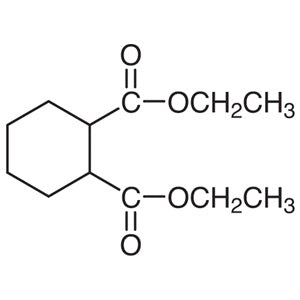
Diethylcis-1,2-Cyclohexanedicarboxylate(containsDiethyltrans-1,2-Cyclohexanedicarboxylate) TCI C0476
Regular price From Rp 1.749.300,00Regular price
![Bicyclo[2.2.2]octane-1,4-dicarboxylic Acid (CAS 711-02-4) - TCI B5595 - AMI Scientific](http://amiscientific.com/cdn/shop/files/TCI2510B5595.jpg?v=1767092548&width=533)
![Bicyclo[2.2.2]octane-2,3,5,6-tetracarboxylic 2,3:5,6-Dianhydride (CAS 2754-40-7) - TCI B6198 - AMI Scientific](http://amiscientific.com/cdn/shop/files/TCI2510B6198.jpg?v=1768816002&width=533)
![Bicyclo[1.1.1]pentane-1,3-dicarboxylic Acid (CAS 56842-95-6) - TCI B6522 - AMI Scientific](http://amiscientific.com/cdn/shop/files/TCI2510B6522.jpg?v=1767093799&width=533)