

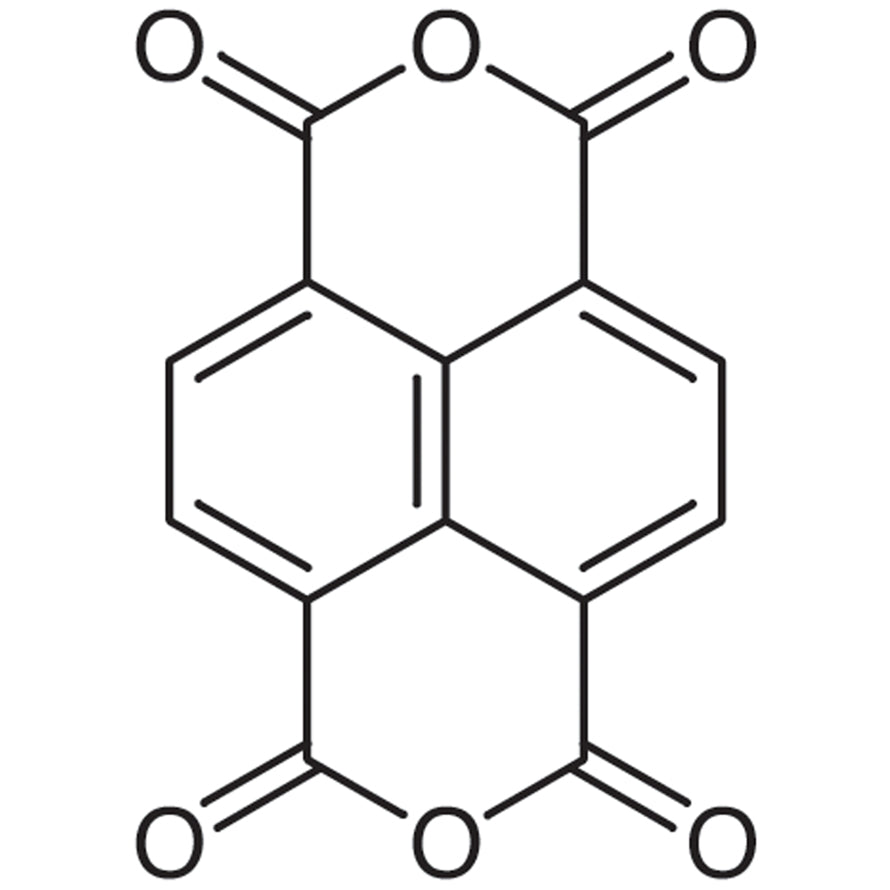
Naphthalene-1,4,5,8-tetracarboxylic Dianhydride is a chemical compound widely used in scientific and industrial applications, particularly within the field of electronic materials. This compound plays a crucial role in laboratory settings, especially in the development of organic transistor (OFET) materials. It serves as a foundational component for the synthesis of active layers in organic electronic devices, enabling the creation of conductive films essential for advanced electronic applications. Its versatility makes it an indispensable material for researchers working on next-generation electronic technologies.
The compound’s molecular structure is complex, offering unique chemical and physical properties that make it a preferred choice in material science. It exhibits high stability under specific conditions and has the ability to interact with various other molecules, which is essential for precise chemical reactions. These characteristics make it ideal for use in high-precision synthesis processes. Its chemical reactivity and structural integrity contribute to its effectiveness in creating advanced organic materials with tailored properties.
In Indonesian laboratories, this compound is commonly used in research related to material science and electronic technology. It is a key component in the development of flexible electronics, display technologies, and sensor applications. Its availability and reliability make it a popular choice among researchers aiming to innovate in the field of organic electronics. The compound’s role in supporting cutting-edge research underscores its importance in both academic and industrial settings.
TCI brochures (PDF)
- Polyimide Raw Material 2,3,6,7-NTCDA 2025-01-17 · p. 1
- Raw Material for Synthesis of Polyimides and Acceptor Materials 1,2,5,6-NTCDA 2025-08-07 · p. 1
- Naphthalene Tetracarboxylic Acid Dianhydride Derivatives 2025-07-16 · p. 1
- Raw Material for Synthesis of Polyimides and Acceptor Materials 2,3,6,7-ATCDA 2025-06-19 · p. 1
- Raw Material for Polyimides and COFs Mellitic Trianhydride 2026-09-14 · p. 1
- Aliphatic Diamine Monomer with Branched Skeleton 2025-07-24 · p. 1
Related TCI products
- TCI N0755 81-30-1 Naphthalene-1,4,5,8-tetracarboxylic Dianhydride (purified by sublimation)
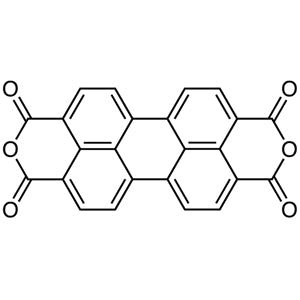
- TCI P0972 128-69-8 3,4,9,10-Perylenetetracarboxylic Dianhydride
- TCI P2102 128-69-8 3,4,9,10-Perylenetetracarboxylic Dianhydride (purified by sublimation)
- TCI N1128 3711-01-1 2,3,6,7-Naphthalenetetracarboxylic 2,3:6,7-Dianhydride
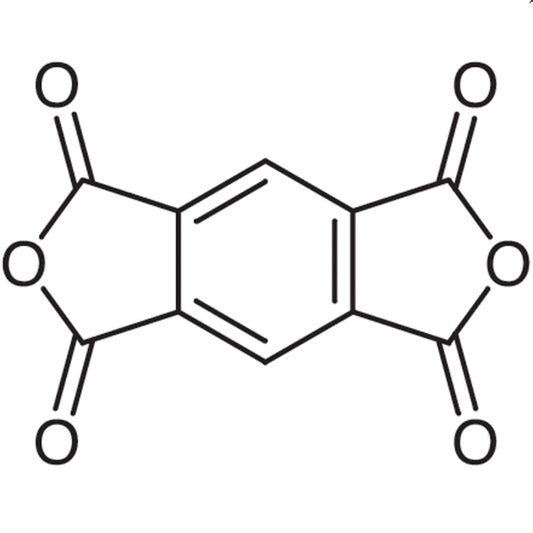
- TCI B0040 89-32-7 Pyromellitic Dianhydride
- TCI P2103 89-32-7 Pyromellitic Dianhydride (purified by sublimation)
- Organic Transistor (OFET) Material Synthesis: This compound is essential for creating active layers in organic field-effect transistors, providing the necessary conductivity and stability for efficient device performance.
- Flexible Electronics Development: It is used in the fabrication of flexible electronic devices, offering a reliable base for conductive films that can be integrated into bendable and wearable technologies.
- Display Technology Research: The compound supports the development of organic light-emitting diodes (OLEDs) and other display technologies by enabling the synthesis of high-performance organic materials.
- Sensor Fabrication: It is utilized in the creation of organic sensors, where its chemical reactivity and structural properties allow for the detection of various environmental and biological signals.
- Advanced Material Innovation: Researchers use it to develop new organic materials with tailored properties for use in next-generation electronic and optoelectronic applications.
| Brand | TCI |
|---|---|
| CAS number | 81-30-1 |
| Molecular formula | — |
| Purity | — |
| Category | Materials Science > Electronic Materials > Organic Transistor (OFET) Materials |
| Pack sizes | Available in various quantities as per standard laboratory supply |
| Physical form | Solid |
| Storage | Store in a cool, dry place away from moisture and direct sunlight |
This compound should be stored in a cool, dry environment to maintain its chemical stability and prevent degradation. It is recommended to use airtight containers to protect it from moisture and potential contaminants. Due to its chemical nature, it should be handled with appropriate personal protective equipment, such as gloves and safety goggles, to ensure laboratory safety. Storage should be in a well-ventilated area to minimize exposure to airborne particles. Avoid direct contact with skin or inhalation of vapors. Proper labeling of containers is essential for safe handling and to prevent accidental misuse in the laboratory setting.
—
Product Categories
- Electronic MaterialsOrganic Transistor (OFET) Materialsn-Type Organic Semiconductors [Organic Transistor (OFET) Materials]
- Material Building BlocksCovalent Organic Frameworks (COFs) LinkersCarboxylic Anhydride Linkers [Covalent Organic Frameworks (COFs) Linkers]
- Polymer/Macromolecule ReagentsCovalent Organic Frameworks (COFs) LinkersCarboxylic Anhydride Linkers [Covalent Organic Frameworks (COFs) Linkers]
- Polymer/Macromolecule ReagentsMonomersTetracarboxylic Dianhydride Monomers
- Polymer/Macromolecule ReagentsPolyimide Raw MaterialsTetracarboxylic Dianhydrides [Polyimide Raw Materials]
Produk Terkait
-
Naphthalene-1,4,5,8-tetracarboxylicDianhydride(purifiedbysublimation) TCI N0755
Regular price From Rp 2.227.050,00Regular priceRp 1.557.150,00Sale price From Rp 2.227.050,00 -
3,4,9,10-PerylenetetracarboxylicDianhydride TCI P0972
Regular price From Rp 1.485.750,00Regular priceRp 1.038.450,00Sale price From Rp 1.485.750,00 -
3,4,9,10-PerylenetetracarboxylicDianhydride(purifiedbysublimation) TCI P2102
Regular price Rp 3.021.900,00Regular priceRp 2.112.600,00Sale price Rp 3.021.900,00 -
2,3,6,7-Naphthalenetetracarboxylic2,3:6,7-Dianhydride TCI N1128
Regular price From Rp 4.161.150,00Regular priceRp 2.909.550,00Sale price From Rp 4.161.150,00 -
PyromelliticDianhydride TCI B0040
Regular price From Rp 505.050,00Regular priceRp 352.800,00Sale price From Rp 505.050,00 -
PyromelliticDianhydride(purifiedbysublimation) TCI P2103
Regular price From Rp 2.704.800,00Regular priceRp 1.891.050,00Sale price From Rp 2.704.800,00 -
Tricyclo[6.4.0.0(2,7)]dodecane-1,8:2,7-tetracarboxylicDianhydride TCI T2698
Regular price From Rp 6.704.250,00Regular priceRp 4.688.250,00Sale price From Rp 6.704.250,00 -
meso-Butane-1,2,3,4-tetracarboxylicDianhydride TCI B1770
Regular price From Rp 1.749.300,00Regular priceRp 1.239.000,00Sale price From Rp 1.749.300,00





![738-90-9 Tricyclo[6.4.0.0(2,7)]dodecane-1,8:2,7-tetracarboxylic Dianhydride - AMI Scientific](http://amiscientific.com/cdn/shop/files/TCI2510T2698.jpg?v=1769143660&width=533)
