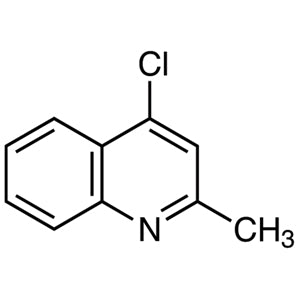
4-Chloro-2-methylquinoline is a chemical compound classified under the heterocyclic category, commonly used in laboratory settings for the synthesis of complex molecules. This compound plays a vital role in organic chemistry and pharmacology, serving as a foundational building block for the development of pharmaceuticals and industrial chemicals. Its unique molecular structure allows for versatile chemical interactions, making it a key component in various synthetic pathways. Due to its structural characteristics, it is often employed in reactions that require structural modification and functional group manipulation.
The compound exhibits stable chemical properties with high reactivity, depending on the reaction conditions. The presence of chlorine and methyl groups on its molecular framework contributes to its reactivity and ability to form various functional groups. It is soluble in organic solvents, which enhances its usability in a wide range of chemical processes. This solubility and reactivity make it a preferred choice for researchers aiming to develop new compounds or conduct advanced chemical reactions.
In Indonesian laboratories, 4-Chloro-2-methylquinoline is widely utilized in scientific research and the development of chemical products. It is a common material in academic and industrial research settings, supporting the creation of new compounds and the advancement of chemical technologies. Its versatility and chemical properties make it an essential reagent for scientists working in diverse fields, including pharmaceuticals and materials science.
Related TCI products
- Organic synthesis applications benefit from its structural versatility, enabling the creation of complex pharmaceutical compounds through functional group modification.
- Pharmaceutical research utilizes this compound for the development of new drugs, leveraging its reactivity and compatibility with various synthetic pathways.
- Industrial chemical production relies on its stability and solubility, allowing for efficient synthesis of specialized chemical intermediates.
- Academic research in chemistry employs it as a building block for exploring new molecular structures and reaction mechanisms.
- Material science studies use it to investigate its potential in creating advanced chemical materials with specific functional properties.
| Brand | TCI |
|---|---|
| CAS number | 4295-06-1 |
| Molecular formula | — |
| Purity | — |
| Category | Chemistry > Building Blocks > Heterocyclic Building Blocks |
| Pack sizes | As per supplier specifications |
| Physical form | Solid (as per standard product description) |
| Storage | Store in a cool, dry place away from light and moisture |
This compound should be stored in a cool, dry environment, away from direct light and moisture to maintain its chemical stability. It is recommended to use airtight containers to prevent exposure to air and moisture, which could affect its reactivity. Proper labeling of storage containers is essential for safety and traceability. In laboratory settings, it should be handled with appropriate personal protective equipment, such as gloves and safety goggles, to minimize exposure. Due to its chemical nature, it should be kept away from incompatible substances to prevent unwanted reactions. Regular monitoring of storage conditions ensures the compound remains suitable for use in scientific research and chemical synthesis.
—
Produk Terkait
-
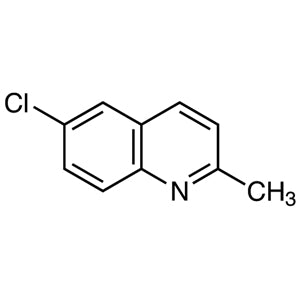
6-Chloro-2-methylquinoline TCI C3108
Regular price Rp 1.590.750,00Regular price -
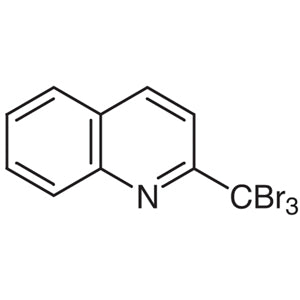
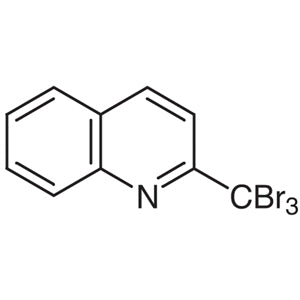
2-Tribromomethylquinoline TCI T1453
Regular price Rp 1.035.300,00Regular price -
8-Bromo-2-methylquinoline TCI B3444
Regular price From Rp 1.510.950,00Regular price -
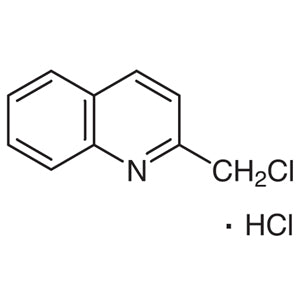
2-ChloromethylquinolineHydrochloride TCI C1020
Regular price From Rp 3.048.150,00Regular price -
2,3-Dichloro-6-methylquinoxaline TCI D3270
Regular price Rp 1.829.100,00Regular price -
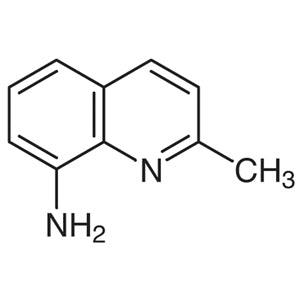
8-Amino-2-methylquinoline TCI A0416
Regular price From Rp 1.273.650,00Regular price -
4,6,8-Trimethylquinoline TCI T1409
Regular price Rp 5.644.800,00Regular price -
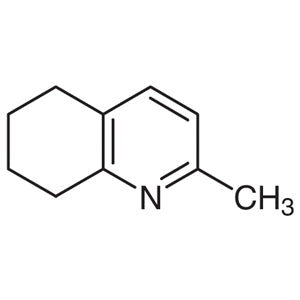
5,6,7,8-Tetrahydro-2-methylquinoline TCI T1408
Regular price Rp 2.016.000,00Regular price