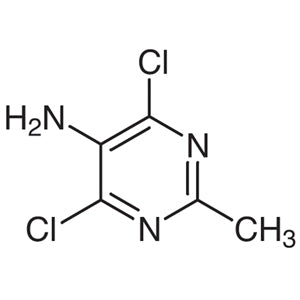
2,3-Dichloro-6-methylquinoxaline is a versatile chemical compound used as a foundational building block in the synthesis of complex heterocyclic compounds. This compound plays a crucial role in laboratory settings where the creation of specialized chemical structures is required. Its unique molecular structure allows it to participate in various chemical reactions, making it an essential component in the development of pharmaceuticals, industrial chemicals, and advanced materials. Due to its reactivity and structural stability, it is widely utilized in research and development across multiple scientific disciplines.
The compound is valued for its chemical properties, including high reactivity under different reaction conditions and the ability to form strong chemical bonds. The presence of chlorine and methyl groups in its structure contributes to its versatility, enabling it to be modified into a wide range of functional compounds. These characteristics make it a preferred choice for chemists and researchers who require precise and adaptable starting materials for their experiments. Its stability and reactivity also ensure that it remains a reliable reagent in both academic and industrial laboratories.
In Indonesian laboratories, 2,3-Dichloro-6-methylquinoxaline is commonly used in scientific research and the development of chemical products. It is frequently employed in experiments that require heterocyclic compounds with specific functional properties. Many research institutions and universities in Indonesia rely on this compound for its role in synthesizing complex molecules, supporting advancements in pharmaceuticals, materials science, and chemical engineering. Its availability and reliability make it a key reagent in the chemical research landscape of Indonesia.
Related TCI products
- TCI B3444 61047-43-6 8-Bromo-2-methylquinoline
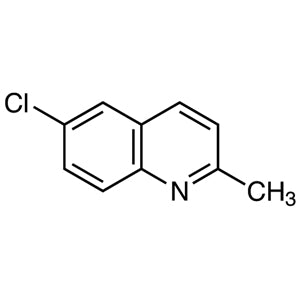
- TCI C3108 92-46-6 6-Chloro-2-methylquinoline
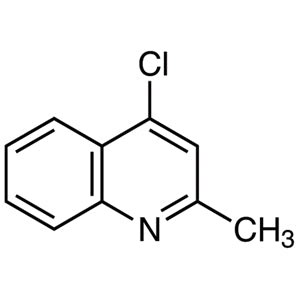
- TCI C2901 4295-06-1 4-Chloro-2-methylquinoline
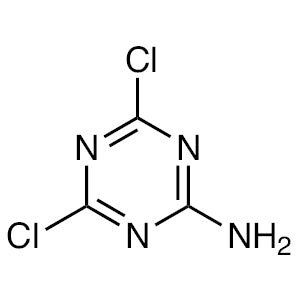
- TCI A3095 933-20-0 4,6-Dichloro-1,3,5-triazin-2-amine
- TCI A2716 145783-15-9 5-Amino-4,6-dichloro-2-(propylthio)pyrimidine
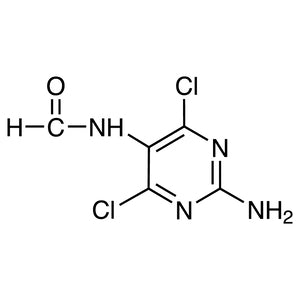
- TCI A2146 171887-03-9 2-Amino-4,6-dichloro-5-formamidopyrimidine
- Pharmaceutical research and development as a key intermediate in the synthesis of novel drug compounds due to its structural versatility and reactivity.
- Industrial chemical synthesis for the production of specialty chemicals and dyes where heterocyclic structures are required.
- Materials science applications in the creation of advanced polymers and functional materials through controlled chemical modifications.
- Academic research in organic chemistry for the study of heterocyclic ring systems and their reactivity under various conditions.
- Chemical engineering projects involving the design of new compounds with specific functional groups and molecular properties.
| Brand | TCI |
|---|---|
| CAS number | 39267-05-5 |
| Molecular formula | — |
| Purity | — |
| Category | Chemistry > Building Blocks > Heterocyclic Building Blocks |
| Pack sizes | Available in various quantities as per standard laboratory supply options |
| Physical form | Solid, crystalline powder |
| Storage | Store in a cool, dry place away from light and moisture |
This compound should be stored in a cool, dry environment, away from direct sunlight and moisture. It is recommended to use airtight containers to prevent exposure to air and humidity. Due to its chemical reactivity, it should be handled with care, using appropriate personal protective equipment such as gloves and safety goggles. It is advisable to store it in a well-ventilated area to minimize the risk of inhalation. Avoid contact with incompatible substances such as strong acids or bases. Proper labeling of storage containers is essential to ensure safe handling and prevent accidental exposure.
—
Produk Terkait
-
8-Bromo-2-methylquinoline TCI B3444
Regular price From Rp 1.510.950,00Regular price -
6-Chloro-2-methylquinoline TCI C3108
Regular price Rp 1.590.750,00Regular price -
4-Chloro-2-methylquinoline TCI C2901
Regular price Rp 3.605.700,00Regular price -
4,6-Dichloro-1,3,5-triazin-2-amine TCI A3095
Regular price Rp 4.611.600,00Regular price -
5-Amino-4,6-dichloro-2-(propylthio)pyrimidine TCI A2716
Regular price From Rp 637.350,00Regular price -
2-Amino-4,6-dichloro-5-formamidopyrimidine TCI A2146
Regular price From Rp 769.650,00Regular price -
5-Amino-4,6-dichloro-2-methylpyrimidine TCI A1946
Regular price From Rp 2.439.150,00Regular price -
3,6-Dichloro-1,2,4,5-tetrazine TCI D5732
Regular price From Rp 2.757.300,00Regular price