4,4'-Carbonyldimorpholine is a chemical compound widely used in synthetic reactions to construct complex heterocyclic structures. As a building block in organic chemistry, it serves as a fundamental component for the development of new compounds in chemical research. This compound is particularly valuable in the synthesis of heterocyclic structures such as morpholine and its derivatives. Its chemical stability and moderate reactivity make it a versatile reagent for various types of chemical reactions, including nucleophilic, electrophilic, and condensation reactions.
The compound's chemical properties, including its stability and reactivity, make it a preferred choice for synthetic chemists. Its ability to participate in a wide range of reactions allows researchers to tailor its use in different synthetic pathways. The compound's molecular structure also provides a platform for further functionalization, making it a valuable tool in organic synthesis. These characteristics are especially important in research settings where precise control over reaction conditions is essential.
In Indonesian laboratories, 4,4'-Carbonyldimorpholine is commonly used by researchers and educational institutions for the development of new compounds. Its availability in the local market supports ongoing research and development projects in various scientific fields. The compound is frequently employed in the synthesis of heterocyclic compounds, contributing to advancements in pharmaceutical and material sciences. Its role in laboratory research is crucial for the exploration of new chemical structures and applications.
Related TCI products
- TCI D5522 1197159-91-3 4-(4,6-Dimorpholino-1,3,5-triazin-2-yl)aniline
- TCI C2325 41864-22-6 1,1'-Carbonyldi(1,2,4-triazole)
- TCI T2748 4441-12-7 Trimorpholinophosphine Oxide
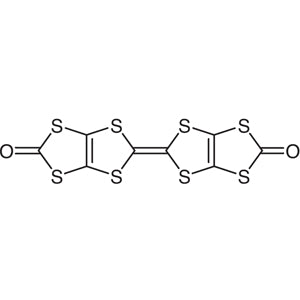
- TCI B1272 64394-47-4 Bis(carbonyldithio)tetrathiafulvalene
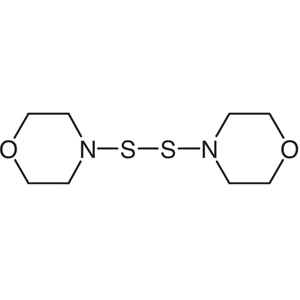
- TCI D0282 103-34-4 4,4'-Dithiodimorpholine
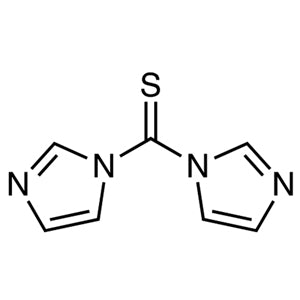
- TCI C1376 6160-65-2 1,1'-Thiocarbonyldiimidazole
- Synthesis of heterocyclic compounds for the development of new pharmaceuticals, as its structure allows for the creation of complex molecular frameworks.
- Organic chemical reactions in material science research, where it contributes to the synthesis of functional materials with specific properties.
- Drug discovery and development, as it serves as a key intermediate in the construction of bioactive molecules.
- Academic research in chemical synthesis, where it is used to explore new reaction mechanisms and synthetic strategies.
- Industrial chemical processes that require stable and reactive building blocks for the production of specialty chemicals.
| Brand | TCI |
|---|---|
| CAS number | 38952-62-4 |
| Molecular formula | — |
| Purity | — |
| Category | Chemistry > Building Blocks > Heterocyclic Building Blocks |
| Pack sizes | Available in various sizes as per standard laboratory supply |
| Physical form | Solid |
| Storage | Store in a cool, dry place away from light and moisture |
4,4'-Carbonyldimorpholine should be stored in a cool, dry place away from direct light and moisture to maintain its chemical stability. It is recommended to use airtight containers to prevent exposure to air and humidity, which can affect its reactivity. Due to its chemical nature, it should be handled with appropriate personal protective equipment, including gloves and safety goggles. It is important to ensure proper ventilation in the laboratory when working with this compound to minimize inhalation risks. Storage conditions should be controlled to avoid temperature fluctuations that could compromise its integrity. Regular monitoring of storage conditions is advised to ensure the compound remains suitable for use in chemical reactions.
—
Produk Terkait
-
4-(4,6-Dimorpholino-1,3,5-triazin-2-yl)aniline TCI D5522
Regular price From Rp 1.856.400,00Regular price -
1,1'-Carbonyldi(1,2,4-triazole) TCI C2325
Regular price From Rp 1.696.800,00Regular price -
TrimorpholinophosphineOxide TCI T2748
Regular price From Rp 955.500,00Regular price -
Bis(carbonyldithio)tetrathiafulvalene TCI B1272
Regular price Rp 3.710.700,00Regular price -
4,4'-Dithiodimorpholine TCI D0282
Regular price From Rp 505.050,00Regular price -
1,1'-Thiocarbonyldiimidazole TCI C1376
Regular price From Rp 1.326.150,00Regular price