1,1'-Carbonyldi(1,2,4-triazole) is a chemical compound widely used in research laboratories, particularly in the fields of peptide chemistry and biochemical applications. This compound plays a crucial role in the synthesis of bioactive molecules and serves as a reagent in various chemical reactions. Its unique chemical structure allows for specific interactions with biological molecules, making it an essential tool for researchers working on molecular modifications and functional group transformations. Due to its versatility, it is frequently utilized in both academic and industrial research settings.
The compound’s chemical properties, including its stability under certain conditions and reactivity towards environmental factors, make it a preferred choice for laboratory applications. The presence of triazole rings in its molecular structure enhances its stability and provides a wide range of reactivity in chemical reactions. This characteristic is particularly valuable in covalent reactions and molecular modifications, where precise control over chemical interactions is required. Its solubility in organic solvents further simplifies its use in synthesis and processing procedures.
In Indonesian laboratories, 1,1'-Carbonyldi(1,2,4-triazole) is commonly used in biological chemistry, pharmaceutical research, and biotechnology applications. Its role in developing new drug compounds and studying molecular interactions makes it an important component in the research toolkit of scientists in these fields. The compound's reliability and effectiveness have made it a standard material in many research projects conducted in Indonesia.
TCI brochures (PDF)
- Condensing Agents 2025-11-18 · p. 6
- Nucleosides, Nucleotides, Nucleic Acids and Related Reagents 2026-03-23 · p. 14
Related TCI products
- TCI C0119 530-62-1 1,1'-Carbonyldiimidazole [Coupling Agent for Peptides Synthesis]
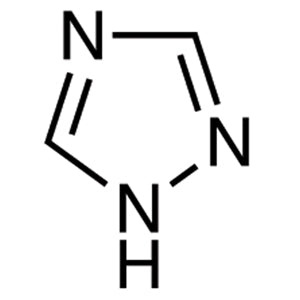
- TCI T0340 288-88-0 1,2,4-Triazole
- TCI N0477 24807-55-4 3-Nitro-1,2,4-triazole [Coupling Agent]
- TCI D0436 538-75-0 N,N'-Dicyclohexylcarbodiimide
- TCI O0200 18637-83-7 1,1'-Oxalyldiimidazole
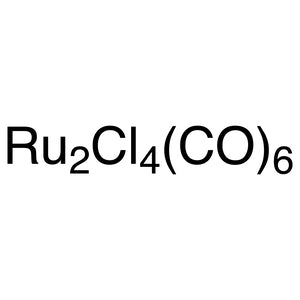
- TCI T3812 22594-69-0 Tricarbonyldichlororuthenium(II) Dimer
- Peptide Chemistry Research: This compound is ideal for peptide synthesis due to its ability to form stable intermediates and facilitate coupling reactions.
- Biochemical Reactions: Its reactivity allows it to participate in various biochemical processes, making it useful in enzyme studies and molecular interactions.
- Drug Development: It is used in the synthesis of bioactive compounds, aiding in the creation of new pharmaceutical agents.
- Molecular Modification Studies: The compound’s structural versatility supports its use in modifying molecular structures for research purposes.
- Organic Synthesis: Its solubility in organic solvents makes it suitable for a wide range of synthetic reactions in laboratory settings.
| Brand | TCI |
|---|---|
| CAS number | 41864-22-6 |
| Molecular formula | — |
| Purity | — |
| Category | Chemistry > Chemical Biology > Peptide Chemistry |
| Pack sizes | Available in various quantities as per supplier specifications |
| Physical form | Solid |
| Storage | Store in a cool, dry place away from moisture and direct sunlight |
This compound should be stored in a cool, dry environment to maintain its chemical stability. It is recommended to keep it in a tightly sealed container to prevent exposure to moisture and air. Due to its reactivity, it should be handled with appropriate laboratory safety measures, including the use of personal protective equipment. Storage conditions should avoid direct sunlight and high humidity to ensure long-term stability. It is important to ensure that the compound is kept away from incompatible materials to prevent any potential chemical reactions. Proper labeling and storage practices help maintain the integrity of the compound during laboratory use.
—
Product Categories
- Chemical BiologyPeptide ChemistryPeptide Coupling Agents
- Chemical BiologyNucleic Acid ChemistryCoupling Activators and Condensing Agents [Nucleic Acid Synthesis]
- Synthetic ReagentsCoupling [Synthetic Reagents]Carbonyldiimidazole Derivatives [Coupling Reagents]
- Pharmaceutical Development and Drug Discovery Research ReagentsPeptide ChemistryPeptide Coupling Agents
- Pharmaceutical Development and Drug Discovery Research ReagentsNucleic Acid ChemistryCoupling Activators and Condensing Agents [Nucleic Acid Synthesis]
Produk Terkait
-
1,1'-Carbonyldiimidazole[CouplingAgentforPeptidesSynthesis] TCI C0119
Regular price From Rp 582.750,00Regular priceRp 423.150,00Sale price From Rp 582.750,00 -
1,2,4-Triazole TCI T0340
Regular price From Rp 769.650,00Regular priceRp 553.350,00Sale price From Rp 769.650,00 -
3-Nitro-1,2,4-triazole[CouplingAgent] TCI N0477
Regular price From Rp 1.033.200,00Regular priceRp 738.150,00Sale price From Rp 1.033.200,00 -
N,N'-Dicyclohexylcarbodiimide TCI D0436
Regular price From Rp 557.550,00Regular priceRp 405.300,00Sale price From Rp 557.550,00 -
1,1'-Oxalyldiimidazole TCI O0200
Regular price From Rp 1.351.350,00Regular priceRp 960.750,00Sale price From Rp 1.351.350,00 -
Tricarbonyldichlororuthenium(II)Dimer TCI T3812
Regular price Rp 4.636.800,00Regular priceRp 3.258.150,00Sale price Rp 4.636.800,00 -
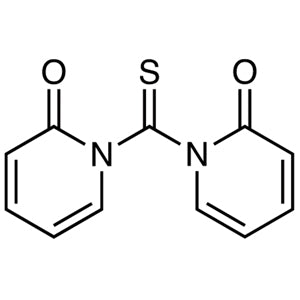
1,1'-Thiocarbonyldi-2(1H)-pyridone TCI T3644
Regular price From Rp 1.483.650,00Regular priceRp 1.053.150,00Sale price From Rp 1.483.650,00 -
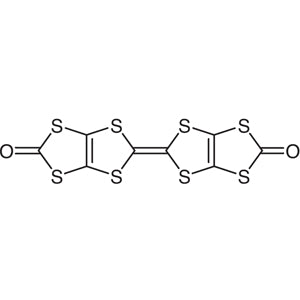
Bis(carbonyldithio)tetrathiafulvalene TCI B1272
Regular price Rp 3.763.200,00Regular priceRp 2.647.050,00Sale price Rp 3.763.200,00
![TCI C0119 530-62-1 1,1'-Carbonyldiimidazole [Coupling Agent for Peptides Synthesis]](http://amiscientific.com/cdn/shop/files/TCI2510C0119_53a01754-afde-4d0a-aaff-f177351c8445.jpg?v=1792632094&width=533)
![1,1'-Carbonyldiimidazole [Coupling Agent for Peptides Synthesis] (CAS 530-62-1) - TCI C0119 - AMI Scientific](http://amiscientific.com/cdn/shop/files/TCI2510C0119.jpg?v=1767094704&width=533)

![TCI N0477 24807-55-4 3-Nitro-1,2,4-triazole [Coupling Agent]](http://amiscientific.com/cdn/shop/files/TCI2510N0477_df667be4-f118-4985-bc39-2f67afb21e64.jpg?v=1792650490&width=533)
![24807-55-4 3-Nitro-1,2,4-triazole [Coupling Agent] - AMI Scientific](http://amiscientific.com/cdn/shop/files/TCI2510N0477.jpg?v=1767129907&width=533)