N,N’-Dicyclohexylcarbodiimide (DCC) is a chemical compound widely used in peptide synthesis and organic molecule coupling reactions. It functions as a catalyst in the activation of carboxylic acids, enabling the efficient formation of amide bonds. This compound is essential in laboratory settings where complex molecules such as peptides, proteins, or pharmacological agents are being synthesized. Its stability and reactivity make it a reliable choice for various organic chemistry applications. DCC is particularly favored for its ability to facilitate high-yield reactions without requiring additional reagents, thus streamlining the synthesis process.
The unique molecular structure of DCC, featuring two cyclohexyl groups surrounding the carbodiimide core, contributes to its stability and reactivity. This structure enhances the efficiency of chemical reactions by providing a robust platform for bond formation. Additionally, DCC is not prone to unwanted side reactions in laboratory environments, minimizing the risk of degradation or contamination. Its inertness in the presence of other compounds ensures that it remains a safe and effective reagent for a wide range of chemical processes.
In Indonesian laboratories, DCC is commonly used in research across chemistry, pharmacy, and biotechnology fields. It plays a crucial role in the synthesis of peptides and the modification of organic molecules, supporting both academic and industrial research. Its availability in the local market ensures that researchers have access to this essential compound for their experimental needs.
TCI brochures (PDF)
- N-Hydroxyphthalimide Derivatives for the Synthesis of Redox Active Esters 2024-02-06 · p. 2
- Oxidizing Agents 2025-06-11 · p. 3
- Condensing Agents 2025-11-18 · p. 2
- Nucleosides, Nucleotides, Nucleic Acids and Related Reagents 2026-03-23 · p. 15
- Reagents for Glyco Chemistry & Biology 5th Edition · p. 136
- Amino Acids and Peptide Synthesis Reagents 2025-08-14 · p. 39
Related TCI products
- TCI D4029 1892-57-5 1-(3-Dimethylaminopropyl)-3-ethylcarbodiimide
- TCI D1601 25952-53-8 1-(3-Dimethylaminopropyl)-3-ethylcarbodiimide Hydrochloride [Coupling Agent for Peptides Synthesis]
- TCI D0437 538-75-0 N,N'-Dicyclohexylcarbodiimide (25% in Pyridine, ca. 1.2mol/L)
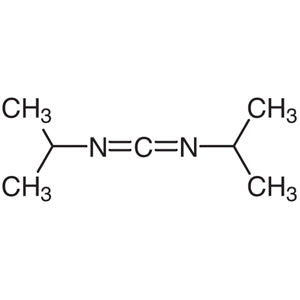
- TCI D0254 693-13-0 N,N'-Diisopropylcarbodiimide
- TCI H0623 6066-82-6 N-Hydroxysuccinimide
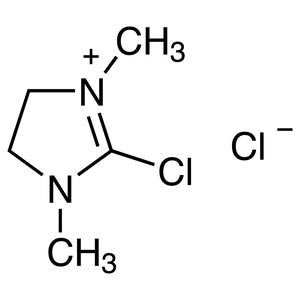
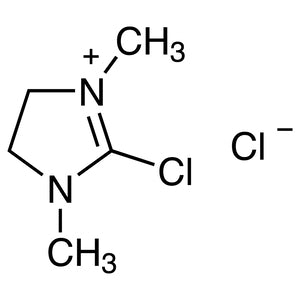
- TCI C1639 37091-73-9 2-Chloro-1,3-dimethylimidazolinium Chloride (ca. 25% in Dichloromethane)
- Peptide Synthesis: DCC is ideal for peptide synthesis due to its ability to activate carboxylic acid groups, enabling the formation of stable amide bonds with amino acids.
- Organic Molecule Coupling: It facilitates efficient coupling reactions between organic molecules, making it a preferred choice for chemical modifications.
- Protein Modification: DCC is used in the chemical modification of proteins, allowing for the introduction of specific functional groups without disrupting the protein structure.
- Pharmacological Research: It supports the synthesis of pharmacological compounds, aiding in the development of new drugs and therapeutic agents.
- Biotransformation Studies: DCC is useful in studies involving the transformation of organic compounds, providing a reliable method for bond formation in complex molecules.
From the TCI brochure
- Coupling reagent with DMAP in CH2Cl2 at room temperature for synthesis of the H0395 redox-active ester
| Brand | TCI |
|---|---|
| CAS number | 538-75-0 |
| Molecular formula | — |
| Purity | — |
| Category | Chemistry > Chemical Biology > Peptide Chemistry |
| Pack sizes | Available in various quantities as per supplier specifications |
| Physical form | Solid |
| Storage | Store in a cool, dry place away from moisture and direct sunlight |
DCC should be stored in a cool, dry environment to maintain its stability and reactivity. It is recommended to keep it in a sealed container to prevent exposure to moisture, which can affect its performance. Due to its chemical nature, it should be handled in a well-ventilated area, and appropriate personal protective equipment should be worn. While it is generally inert, it is advisable to avoid contact with incompatible substances to ensure safety. Proper storage conditions help preserve its effectiveness for use in laboratory applications.
References cited in the TCI brochure
- Viktor C. Polites. Nickel-Catalyzed Decarboxylative Cross-Coupling of Bicyclo[1.1.1]pentyl Radicals Enabled by Electron Donor–Acceptor Complex Photoactivation Organic Letters, 2021. doi:10.1021/acs.orglett.1c01558
Product Categories
- Chemical BiologyPeptide ChemistryPeptide Coupling Agents
- Chemical BiologyGlycoscienceReagents for Oligosaccharide Synthesis [Glycoscience]
- Chemical BiologyNucleic Acid ChemistryCoupling Activators and Condensing Agents [Nucleic Acid Synthesis]
- Synthetic ReagentsCoupling [Synthetic Reagents]Carbodiimides [Coupling Reagents]
- Pharmaceutical Development and Drug Discovery Research ReagentsPeptide ChemistryPeptide Coupling Agents
- Pharmaceutical Development and Drug Discovery Research ReagentsNucleic Acid ChemistryCoupling Activators and Condensing Agents [Nucleic Acid Synthesis]
- GlycoscienceReagents for Oligosaccharide Synthesis [Glycoscience]
- Pharmaceutical Development and Drug Discovery ResearchPeptide ChemistryPeptide Coupling Agents
- Pharmaceutical Development and Drug Discovery ResearchNucleic Acid ChemistryCoupling Activators and Condensing Agents [Nucleic Acid Synthesis]
Produk Terkait
-
1-(3-Dimethylaminopropyl)-3-ethylcarbodiimide TCI D4029
Regular price From Rp 1.431.150,00Regular priceRp 1.016.400,00Sale price From Rp 1.431.150,00 -
1-(3-Dimethylaminopropyl)-3-ethylcarbodiimideHydrochloride[CouplingAgentforPeptidesSynthesis] TCI D1601
Regular price From Rp 1.483.650,00Regular priceRp 1.053.150,00Sale price From Rp 1.483.650,00 -
N,N'-Dicyclohexylcarbodiimide(25%inPyridine,ca.1.2mol/L) TCI D0437
Regular price Rp 3.021.900,00Regular priceRp 2.128.350,00Sale price Rp 3.021.900,00 -
N,N'-Diisopropylcarbodiimide TCI D0254
Regular price From Rp 1.431.150,00Regular priceRp 1.016.400,00Sale price From Rp 1.431.150,00 -
N-Hydroxysuccinimide TCI H0623
Regular price From Rp 1.220.100,00Regular priceRp 868.350,00Sale price From Rp 1.220.100,00 -
2-Chloro-1,3-dimethylimidazoliniumChloride(ca.25%inDichloromethane) TCI C1639
Regular price Rp 1.961.400,00Regular priceRp 1.387.050,00Sale price Rp 1.961.400,00 -
2-Chloro-1,3-dimethylimidazoliniumChloride TCI C1408
Regular price From Rp 1.458.450,00Regular priceRp 1.035.300,00Sale price From Rp 1.458.450,00 -
1,1'-Carbonyldiimidazole[CouplingAgentforPeptidesSynthesis] TCI C0119
Regular price From Rp 582.750,00Regular priceRp 423.150,00Sale price From Rp 582.750,00