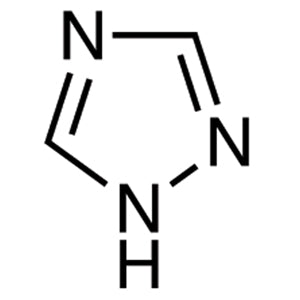
1,2,4-Triazole is a heterocyclic chemical compound featuring three nitrogen atoms in a three-membered ring structure. It plays a crucial role in laboratory settings as a fundamental building block for the synthesis of complex organic compounds. This versatile compound is widely utilized in organic chemistry and pharmacology, where it serves as a key intermediate in the development of various bioactive molecules. Its presence in research laboratories contributes significantly to the advancement of scientific knowledge and the creation of new pharmaceutical products.
The chemical stability and controlled reactivity of 1,2,4-Triazole make it a preferred choice for a wide range of chemical reactions. Its ability to participate in substitution, coupling, and cyclization reactions allows chemists to design and synthesize compounds with specific biological activities. The predictable behavior of this compound under different reaction conditions enhances its utility in both academic and industrial research environments. These properties ensure its reliability in experimental processes requiring precision and reproducibility.
In Indonesian laboratories, 1,2,4-Triazole is commonly used in scientific research and pharmaceutical development. It supports studies in organic chemistry and pharmacology, particularly in the creation of drugs with anti-inflammatory and antimicrobial properties. Its availability through suppliers like AMI Scientific ensures that researchers have access to this essential compound for their experimental needs. The compound's widespread application highlights its importance in advancing chemical and medicinal research in Indonesia.
TCI brochures (PDF)
- Condensing Agents 2025-11-18 · p. 9
- Nucleosides, Nucleotides, Nucleic Acids and Related Reagents 2026-03-23 · p. 14
Related TCI products
- TCI N0477 24807-55-4 3-Nitro-1,2,4-triazole [Coupling Agent]
- TCI C2325 41864-22-6 1,1'-Carbonyldi(1,2,4-triazole)
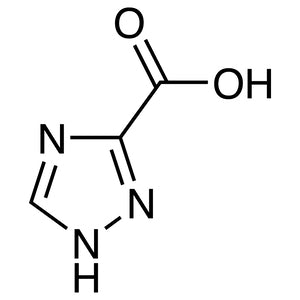
- TCI T3824 4928-87-4 1H-1,2,4-Triazole-3-carboxylic Acid
- TCI T2402 3641-08-5 1,2,4-Triazole-3-carboxamide
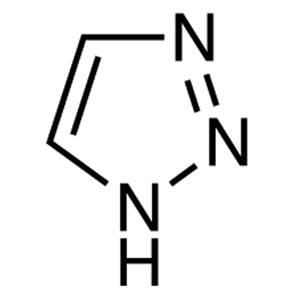
- TCI T1880 288-36-8 1H-1,2,3-Triazole
- TCI A1462 45534-08-5 3-Amino-5-methylthio-1H-1,2,4-triazole
- Synthesis of pharmacological compounds requiring heterocyclic structures due to its stable and reactive nature.
- Development of anti-inflammatory drugs as it can be incorporated into molecular frameworks with therapeutic effects.
- Creation of antimicrobial agents through its ability to form complex organic molecules with biological activity.
- Research in organic chemistry for the design of new chemical entities with specific functional groups.
- Pharmaceutical development projects that rely on heterocyclic building blocks for drug molecule construction.
| Brand | TCI |
|---|---|
| CAS number | 288-88-0 |
| Molecular formula | — |
| Purity | — |
| Category | Chemistry > Building Blocks > Heterocyclic Building Blocks |
| Pack sizes | Available in various quantities as per supplier specifications |
| Physical form | Solid powder |
| Storage | Store in a cool, dry place away from direct sunlight |
1,2,4-Triazole should be stored in a cool, dry environment to maintain its chemical stability. It is recommended to keep the compound in a sealed container to prevent moisture absorption and contamination. Suitable storage containers include glass or high-density polyethylene (HDPE) bottles with tight-fitting lids. Laboratory personnel should handle the compound with care, using appropriate personal protective equipment such as gloves and safety goggles. Avoid exposure to strong oxidizing agents or incompatible substances to ensure safe handling. Regular monitoring of storage conditions is essential to preserve the integrity of the compound during long-term use.
—
Product Categories
- Building BlocksHeterocyclic Building BlocksNon-Halogenated Heterocyclic Building Blocks
- Chemical BiologyNucleic Acid ChemistryCoupling Activators and Condensing Agents [Nucleic Acid Synthesis]
- Synthetic ReagentsCoupling [Synthetic Reagents]Coupling Reagents (Other)
- Pharmaceutical Development and Drug Discovery Research ReagentsNucleic Acid ChemistryCoupling Activators and Condensing Agents [Nucleic Acid Synthesis]
Produk Terkait
-
3-Nitro-1,2,4-triazole[CouplingAgent] TCI N0477
Regular price From Rp 980.700,00Regular price -
1,1'-Carbonyldi(1,2,4-triazole) TCI C2325
Regular price From Rp 1.696.800,00Regular price -
1H-1,2,4-Triazole-3-carboxylicAcid TCI T3824
Regular price From Rp 2.942.100,00Regular price -
1,2,4-Triazole-3-carboxamide TCI T2402
Regular price From Rp 2.094.750,00Regular price -
1H-1,2,3-Triazole TCI T1880
Regular price From Rp 2.625.000,00Regular price -
3-Amino-5-methylthio-1H-1,2,4-triazole TCI A1462
Regular price From Rp 689.850,00Regular price -
3-Amino-5-mercapto-1,2,4-triazole TCI A1455
Regular price From Rp 980.700,00Regular price -
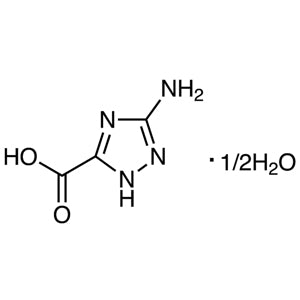
3-Amino-1,2,4-triazole-5-carboxylicAcidHemihydrate TCI A1256
Regular price Rp 2.491.650,00Regular price
![24807-55-4 3-Nitro-1,2,4-triazole [Coupling Agent] - AMI Scientific](http://amiscientific.com/cdn/shop/files/TCI2510N0477.jpg?v=1767129907&width=533)