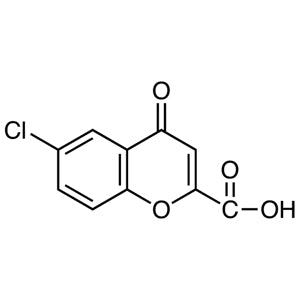
6-Chlorochromone-2-carboxylic Acid is a chemical compound widely used as a building block in the synthesis of heterocyclic compounds. Its unique structure, featuring a chloro group and a carboxylic acid functional group, makes it a valuable reagent in organic chemistry. In the laboratory, this compound plays a crucial role in the development of new chemical entities with potential biological activity. It is particularly useful in reactions that involve the formation of aromatic ring systems with specific substitutions, making it a key component in synthetic pathways.
The compound’s high reactivity and structural versatility make it a preferred choice for chemists working in both academic and industrial settings. It is capable of participating in various chemical reactions, including substitution, condensation, and redox processes. These properties enable it to be a versatile tool in the synthesis of complex molecules. Its ability to undergo multiple reaction types enhances its utility in the creation of novel compounds with diverse applications.
In Indonesian laboratories, 6-Chlorochromone-2-carboxylic Acid is commonly used in organic chemistry and pharmacology research. It is frequently employed in the development of new drugs and materials due to its chemical versatility. Its stability under certain conditions also makes it a reliable reagent for routine laboratory work. This compound is an essential resource for researchers aiming to explore new chemical syntheses and biological activities.
Related TCI products
- TCI B4967 73220-38-9 3-Bromo-6-chlorochromone
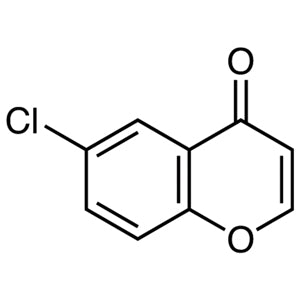
- TCI C3039 33533-99-2 6-Chlorochromone
- TCI D4388 64481-10-3 6,8-Dichlorochromone-3-carboxaldehyde
- TCI I0786 75092-30-7 4-Iodo-1-methylpyrazole-5-carboxylic Acid
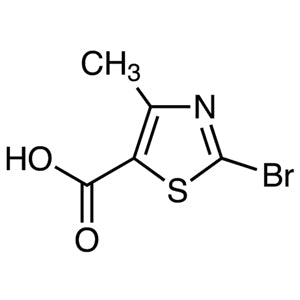
- TCI B5336 40003-41-6 2-Bromo-4-methylthiazole-5-carboxylic Acid
- TCI B4802 51484-06-1 6-Bromochromone-2-carboxylic Acid
- Organic Synthesis: This compound is ideal for the synthesis of heterocyclic compounds due to its reactive functional groups and structural versatility.
- Pharmaceutical Research: It is used in the development of new drugs, as it can participate in reactions that lead to bioactive molecules.
- Material Science: Its chemical properties make it suitable for the creation of advanced materials with specific functional characteristics.
- Analytical Chemistry: It serves as a reference standard for identifying and quantifying compounds in complex mixtures.
- Environmental Studies: It is used in the study of chemical degradation processes and environmental fate of organic compounds.
| Brand | TCI |
|---|---|
| CAS number | 5006-45-1 |
| Molecular formula | — |
| Purity | — |
| Category | Chemistry > Building Blocks > Heterocyclic Building Blocks |
| Pack sizes | Available in various quantities as per supplier specifications |
| Physical form | Solid |
| Storage | Store in a cool, dry place away from moisture and direct sunlight |
This compound should be stored in a cool, dry environment to maintain its stability and reactivity. It is recommended to keep it in a sealed container to prevent exposure to moisture and air. Suitable storage containers include glass or high-density polyethylene bottles with tight-fitting lids. Due to its chemical reactivity, it should be handled with appropriate personal protective equipment such as gloves and safety goggles. Avoid contact with incompatible substances and ensure proper ventilation in the laboratory. Regular monitoring of storage conditions is advised to ensure the compound remains in optimal condition for use.
—
Produk Terkait
-
3-Bromo-6-chlorochromone TCI B4967
Regular price From Rp 1.431.150,00Regular price -
6-Chlorochromone TCI C3039
Regular price From Rp 1.696.800,00Regular price -
6,8-Dichlorochromone-3-carboxaldehyde TCI D4388
Regular price From Rp 637.350,00Regular price -
4-Iodo-1-methylpyrazole-5-carboxylicAcid TCI I0786
Regular price From Rp 2.969.400,00Regular price -
2-Bromo-4-methylthiazole-5-carboxylicAcid TCI B5336
Regular price Rp 1.538.250,00Regular price -
6-Bromochromone-2-carboxylicAcid TCI B4802
Regular price From Rp 769.650,00Regular price -
5-Bromoindole-3-carboxylicAcid TCI B4790
Regular price From Rp 2.889.600,00Regular price -
3-Bromothiophene-2-carboxylicAcid TCI B4605
Regular price From Rp 477.750,00Regular price