5-Chlorosaligenyl-N,N-diisopropylphosphoramidite is a chemical compound widely used in chemical biology, particularly in nucleic acid chemistry. It serves as a key precursor in the synthesis of phosphoramidite nucleotides, which are essential components in the production of oligonucleotides. This compound plays a crucial role in molecular biology laboratories where the construction of DNA or RNA strands is required for various experimental applications. Its chemical structure enables specific reactions under controlled conditions, making it a versatile tool in modern biochemical research.
The compound is valued for its reactivity and stability under specific conditions. Its ability to selectively bind to nucleotide bases ensures accuracy and precision in nucleic acid synthesis. This makes it particularly suitable for applications requiring high fidelity, such as DNA sequencing or probe design. The compound’s stability also allows for reliable performance in laboratory settings, contributing to the reproducibility of experimental results. These properties make it a preferred choice for researchers working in nucleic acid chemistry.
In Indonesian laboratories, 5-Chlorosaligenyl-N,N-diisopropylphosphoramidite is commonly used by researchers in universities, research centers, and biotechnology labs. It supports studies in genetics, biomedicine, and chemical biology, which are rapidly growing fields in Indonesia. Its application is essential for advancing research in molecular biology and related disciplines, providing a foundation for innovative scientific discoveries.
Advantages (TCI brochure)
- Effective in the triphosphorylation of 5'-hydroxy groups
- Applicable to RNA and DNA
- Usable in an oligonucleotide synthesizer
TCI brochures (PDF)
- Phosphorylating Reagents for the Synthesis of Nucleotide 5'-O-Triphosphates 2025-07-14 · p. 1
- Nucleic Acid Medicine Synthesis Research Reagents 2024-11-07 · p. 1
- Oligonucleotide Synthesis Reagents 2025-07-24 · p. 2
- Nucleosides, Nucleotides, Nucleic Acids and Related Reagents 2026-03-23 · p. 14
Related TCI products
- TCI B5440 857447-79-1 Bis(tetrabutylammonium) Dihydrogen Pyrophosphate
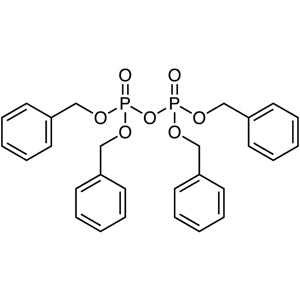
- TCI P1223 990-91-0 Tetrabenzyl Pyrophosphate
- TCI P0209 770-12-7 Phenyl Dichlorophosphate
- TCI M0905 3279-26-3 Methyl Dichlorophosphite [Phosphitylating Agent]
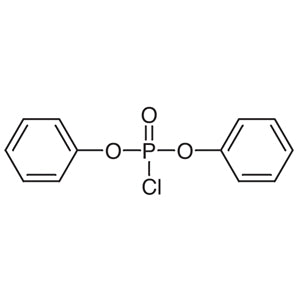
- TCI D1059 2524-64-3 Diphenyl Chlorophosphate
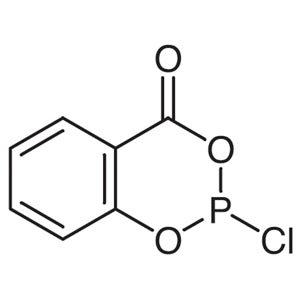
- TCI C1210 5381-99-7 2-Chloro-4H-1,3,2-benzodioxaphosphorin-4-one
- DNA sequencing relies on this compound to synthesize oligonucleotide probes with high specificity and accuracy.
- Oligonucleotide synthesis benefits from its reactivity, enabling the precise construction of DNA and RNA strands.
- PCR experiments use this compound to create primers that ensure accurate amplification of target DNA sequences.
- Probe design in molecular biology requires its selective binding properties to generate reliable hybridization results.
- Genetic research utilizes this compound to develop custom nucleic acid sequences for functional and structural studies.
From the TCI brochure
- Phosphitylation of the 5'-OH group, coupled with BTT in CH3CN (scheme)
| Brand | TCI |
|---|---|
| CAS number | 1620086-77-2 |
| Molecular formula | — |
| Purity | — |
| Category | Chemistry > Chemical Biology > Nucleic Acid Chemistry |
| Pack sizes | — |
| Physical form | — |
| Storage | Store in a cool, dry place away from light |
This compound should be stored in a cool, dry environment, away from direct light to maintain its stability and reactivity. It is recommended to use airtight containers to prevent exposure to moisture and air, which could affect its chemical integrity. Due to its chemical nature, it should be handled in a well-ventilated area, and appropriate personal protective equipment such as gloves and safety goggles should be worn. Avoid contact with skin and eyes, and ensure that spill containment measures are in place. Proper disposal should follow local regulations to ensure safety and environmental compliance.
References cited in the TCI brochure
- Ivo Sarac. Solid‐Phase Synthesis of DNA and RNA 5′‐O‐Triphosphates Using cycloSal Chemistry Current Protocols in Nucleic Acid Chemistry, 2016. doi:10.1002/0471142700.nc0467s64
Product Categories
- Chemical BiologyNucleic Acid ChemistryPhosphorylating Agents and Phosphorothioating Agents [Nucleic Acid Synthesis]
- Synthetic ReagentsC-X(Non-Halogen) Bond Formation [Synthetic Reagents]Phosphorylation [Synthetic Reagents]
- Pharmaceutical Development and Drug Discovery Research ReagentsNucleic Acid ChemistryPhosphorylating Agents and Phosphorothioating Agents [Nucleic Acid Synthesis]
Produk Terkait
-
Bis(tetrabutylammonium)DihydrogenPyrophosphate TCI B5440
Regular price From Rp 4.293.450,00Regular priceRp 3.017.700,00Sale price From Rp 4.293.450,00 -
TetrabenzylPyrophosphate TCI P1223
Regular price Rp 2.068.500,00Regular priceRp 1.461.600,00Sale price Rp 2.068.500,00 -
PhenylDichlorophosphate TCI P0209
Regular price From Rp 742.350,00Regular priceRp 534.450,00Sale price From Rp 742.350,00 -
MethylDichlorophosphite[PhosphitylatingAgent] TCI M0905
Regular price Rp 3.155.250,00Regular priceRp 2.206.050,00Sale price Rp 3.155.250,00 -
DiphenylChlorophosphate TCI D1059
Regular price From Rp 742.350,00Regular priceRp 534.450,00Sale price From Rp 742.350,00 -
2-Chloro-4H-1,3,2-benzodioxaphosphorin-4-one TCI C1210
Regular price From Rp 1.801.800,00Regular priceRp 1.275.750,00Sale price From Rp 1.801.800,00 -
Barium2-CyanoethylphosphateHydrate[PhosphorylatingAgent] TCI C0978
Regular price From Rp 1.696.800,00Regular priceRp 1.202.250,00Sale price From Rp 1.696.800,00 -
2-ChlorophenylPhosphorodichloridate[PhosphorylatingAgent] TCI C0976
Regular price Rp 717.150,00Regular priceRp 516.600,00Sale price Rp 717.150,00