

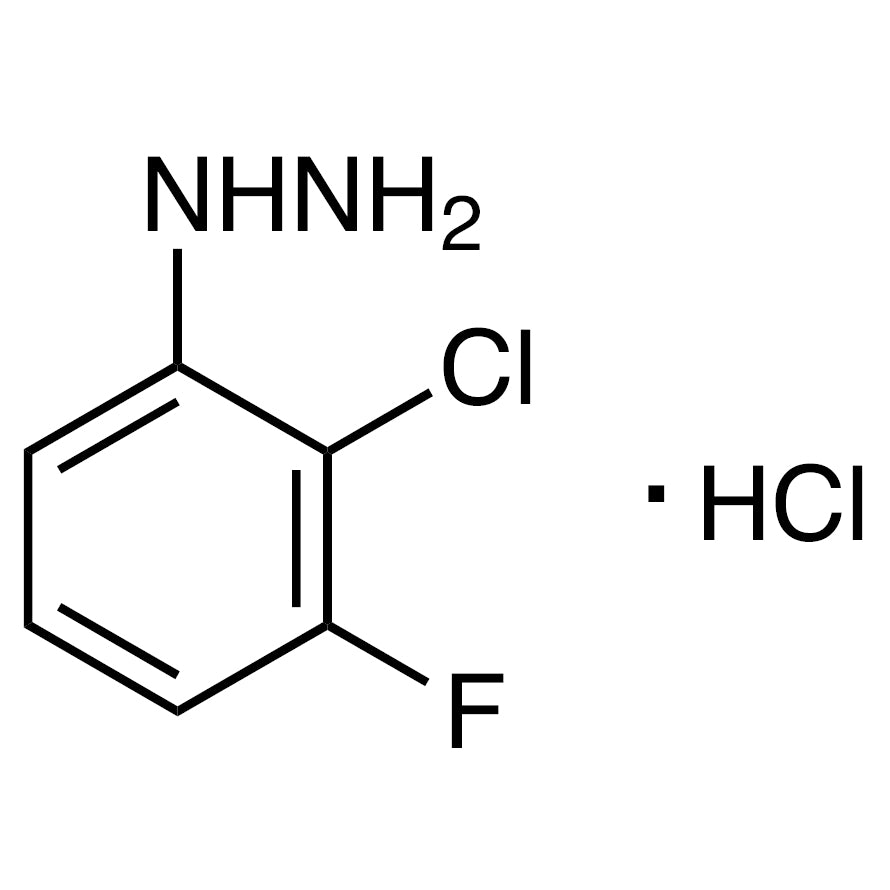
(2-Chloro-3-fluorophenyl)hydrazine Hydrochloride is a chemical compound widely used in organic synthesis as a building block for the development of complex molecular structures. This compound plays a crucial role in laboratory settings where the creation of pharmaceuticals, agrochemicals, and specialty chemicals is required. Its unique molecular structure, featuring both chlorine and fluorine atoms on the phenyl ring, contributes to its reactivity and specificity in chemical reactions. This makes it an essential reagent for researchers aiming to design and synthesize compounds with tailored properties.
The compound's chemical properties, including its stability and reactivity, make it a preferred choice in synthetic chemistry. Its hydrochloride salt form ensures good solubility in aqueous solutions, facilitating its use in various reaction conditions. The presence of fluorine and chlorine atoms enhances its ability to participate in specific chemical transformations, such as hydrazinolysis. These characteristics allow it to be used in controlled and precise synthetic processes, which are vital for the development of advanced chemical products.
In Indonesian laboratories, (2-Chloro-3-fluorophenyl)hydrazine Hydrochloride is commonly used in organic chemistry research, particularly in pharmaceutical and materials science applications. It supports the synthesis of novel compounds with potential applications in medicine and industry. Its availability and chemical properties make it a valuable tool for academic and industrial research institutions in Indonesia.
Related TCI products
- TCI C4051 351-04-2 2-Chloro-N-(4-fluorophenyl)acetamide
- TCI B3213 347-84-2 Benzyl 4-Fluorophenyl Ketone
- TCI B2648 330-93-8 Bis(4-fluorophenyl) Ether
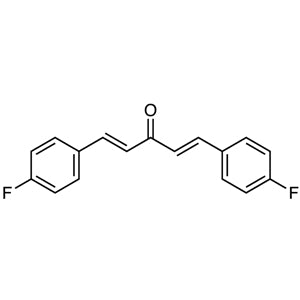
- TCI B2283 53369-00-9 trans,trans-1,5-Bis(4-fluorophenyl)-1,4-pentadien-3-one
- TCI A1429 405-51-6 4-Fluorophenyl Acetate
- TCI P2111 189028-93-1 (S)-4-Phenyl-3-[5-(4-fluorophenyl)-5-oxopentanoyl]-2-oxazolidinone
- Organic synthesis is a key application where this compound is used to create complex molecules with specific functional groups.
- Pharmaceutical research benefits from its reactivity and selectivity in the development of new drug candidates.
- Materials science applications leverage its unique structure for the synthesis of advanced chemical materials.
- Analytical chemistry uses it as a reagent in the characterization of organic compounds through various spectroscopic techniques.
- Industrial chemical production relies on its stability and solubility for the synthesis of specialty chemicals.
| Brand | TCI |
|---|---|
| CAS number | 1138036-54-0 |
| Molecular formula | — |
| Purity | — |
| Category | Chemistry > Building Blocks > Fluorinated Building Blocks |
| Pack sizes | — |
| Physical form | — |
| Storage | Store in a cool, dry place away from moisture and direct sunlight. |
This compound should be stored in a cool, dry environment to maintain its chemical integrity and prevent degradation. It is recommended to keep it in a sealed container to avoid exposure to moisture and air, which can affect its stability. Due to its reactivity, it should be handled with care, using appropriate personal protective equipment such as gloves and safety goggles. It is advisable to store it in a well-ventilated area to minimize the risk of inhalation of vapors. Proper labeling of storage containers is essential to ensure safe handling and prevent accidental exposure. Laboratory personnel should be trained in the safe use and disposal of such chemicals to maintain a safe working environment.
—
Produk Terkait
-
2-Chloro-N-(4-fluorophenyl)acetamide TCI C4051
Regular price From Rp 1.590.750,00Regular price -
Benzyl4-FluorophenylKetone TCI B3213
Regular price Rp 2.359.350,00Regular price -
Bis(4-fluorophenyl)Ether TCI B2648
Regular price From Rp 1.326.150,00Regular price -
trans,trans-1,5-Bis(4-fluorophenyl)-1,4-pentadien-3-one TCI B2283
Regular price Rp 1.167.600,00Regular price -
4-FluorophenylAcetate TCI A1429
Regular price Rp 955.500,00Regular price -
(S)-4-Phenyl-3-[5-(4-fluorophenyl)-5-oxopentanoyl]-2-oxazolidinone TCI P2111
Regular price From Rp 1.724.100,00Regular price -
3-FluorophenylIsocyanate TCI I0554
Regular price Rp 1.856.400,00Regular price -
4-FluorophenylIsocyanate TCI I0339
Regular price From Rp 1.220.100,00Regular price



![189028-93-1 (S)-4-Phenyl-3-[5-(4-fluorophenyl)-5-oxopentanoyl]-2-oxazolidinone - AMI Scientific](http://amiscientific.com/cdn/shop/files/TCI2510P2111.jpg?v=1769057483&width=533)

