Cobalt(II) Bromide Anhydrous (TCI C3823) is a chemical compound in solid form, widely used in various chemical experiments, particularly in the fields of catalysis and inorganic chemistry. This material plays a crucial role in laboratory settings where transition metal-based catalysts are required. Its unique chemical properties make it a valuable reagent for promoting chemical reactions that involve electron activation and redox processes. Its stability and reactivity are key factors in its application across different research areas.
The compound is known for its excellent solubility in organic solvents such as ethylamine and ethanol, which enhances its versatility in chemical synthesis. Its ability to interact with both organic and inorganic compounds further broadens its application range. The chemical stability of Cobalt(II) Bromide Anhydrous ensures that it remains effective under various reaction conditions, making it a preferred choice for researchers and educators.
In Indonesian laboratories, Cobalt(II) Bromide Anhydrous is commonly used in chemical research, especially in catalysis and organic synthesis. It is also frequently employed in educational experiments to demonstrate the principles of redox reactions and catalytic processes. Its reliability and performance in laboratory settings make it an essential component for both academic and industrial research activities.
TCI brochures (PDF)
- Metallic Salts 2025-11-06 · p. 4
- Transition Metal Catalysts 2026-04-10 · p. 9
Related TCI products
- TCI C3901 15238-00-3 Cobalt(II) Iodide
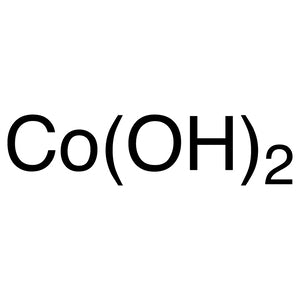
- TCI C3824 21041-93-0 Cobalt(II) Hydroxide
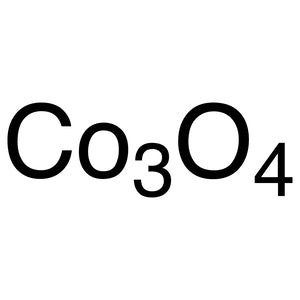
- TCI C3800 1308-06-1 Cobalt(II,III) Oxide
- TCI C3752 10026-17-2 Cobalt(II) Fluoride
- TCI T3554 28277-59-0 Tris(1,10-phenanthroline)cobalt(III) Tris(hexafluorophosphate)
- TCI T3553 31876-74-1 Tris(1,10-phenanthroline)cobalt(II) Bis(hexafluorophosphate)
- Catalytic Reactions: Cobalt(II) Bromide Anhydrous is ideal for catalytic reactions due to its ability to activate electron transfer processes, enhancing reaction efficiency.
- Redox Chemistry Experiments: Its role in oxidation-reduction reactions makes it suitable for studying electron transfer mechanisms in laboratory settings.
- Organic Synthesis: The compound is widely used in organic synthesis for its reactivity and compatibility with various organic compounds.
- Educational Demonstrations: It is commonly used in educational experiments to illustrate catalytic and redox processes in a controlled environment.
- Inorganic Chemistry Research: Its application in inorganic chemistry research is due to its stability and reactivity in metal-based reactions.
| Brand | TCI |
|---|---|
| CAS number | 7789-43-7 |
| Molecular formula | — |
| Purity | — |
| Category | Chemistry > Catalysis and Inorganic Chemistry > Transition Elements |
| Pack sizes | Available in standard laboratory quantities |
| Physical form | Solid |
| Storage | Store in a cool, dry place away from moisture and light |
Cobalt(II) Bromide Anhydrous should be stored in a cool, dry place, away from moisture and direct light to maintain its chemical stability. It is recommended to use airtight containers to prevent exposure to air and humidity, which can affect its reactivity. In laboratory settings, it should be handled with care, using appropriate personal protective equipment such as gloves and safety goggles. Due to its chemical nature, it should be stored separately from incompatible substances to avoid any potential reactions. Proper labeling and storage conditions ensure the safety and effectiveness of the compound in both research and educational environments.
—
Produk Terkait
-
Cobalt(II)Iodide TCI C3901
Regular price From Rp 1.696.800,00Regular priceRp 1.202.250,00Sale price From Rp 1.696.800,00 -
Cobalt(II)Hydroxide TCI C3824
Regular price Rp 1.988.700,00Regular priceRp 1.390.200,00Sale price Rp 1.988.700,00 -
Cobalt(II,III)Oxide TCI C3800
Regular price From Rp 1.936.200,00Regular priceRp 1.353.450,00Sale price From Rp 1.936.200,00 -
Cobalt(II)Fluoride TCI C3752
Regular price From Rp 2.041.200,00Regular priceRp 1.426.950,00Sale price From Rp 2.041.200,00 -
Tris(1,10-phenanthroline)cobalt(III)Tris(hexafluorophosphate) TCI T3554
Regular price From Rp 3.312.750,00Regular priceRp 2.332.050,00Sale price From Rp 3.312.750,00 -
Tris(1,10-phenanthroline)cobalt(II)Bis(hexafluorophosphate) TCI T3553
Regular price From Rp 3.021.900,00Regular priceRp 2.128.350,00Sale price From Rp 3.021.900,00 -
Bis(2,4-pentanedionato)cobalt(II) TCI B2681
Regular price Rp 1.696.800,00Regular priceRp 1.186.500,00Sale price Rp 1.696.800,00 -
Bis(trifluoro-2,4-pentanedionato)cobalt(II) TCI T0746
Regular price From Rp 2.597.700,00Regular priceRp 1.832.250,00Sale price From Rp 2.597.700,00