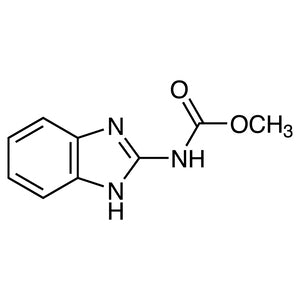
Carbendazim is a chemical compound widely used in life sciences and laboratory settings for analytical and experimental purposes. As an antimicrobial agent, it is effective in inhibiting the growth of specific microorganisms, particularly fungi and bacteria. Its versatility makes it a valuable tool in various laboratory applications, from biochemical research to pharmaceutical development. In the laboratory, Carbendazim serves as a key reagent in the synthesis of other compounds and in testing antimicrobial activity. Its chemical properties allow it to interact effectively with a range of substrates and reagents, making it a reliable choice for chemical reactions and studies.
Carbendazim is known for its chemical stability under certain conditions, although it is sensitive to temperature and humidity. It exists as a white solid and is readily soluble in organic solvents such as ethyl acetate and ethanol. These physical properties contribute to its effectiveness in laboratory experiments, where controlled conditions are essential. The compound’s ability to interact with various chemical systems enhances its utility in both qualitative and quantitative analyses. Its specific chemical behavior also supports its use in studies involving microbial inhibition and chemical interactions.
In Indonesian laboratories, Carbendazim is commonly used in pharmaceutical, microbiological, and organic chemistry research. It plays a crucial role in microbial control studies, drug efficacy testing, and the development of new compounds. Its reliability and consistent performance make it a preferred choice for researchers working on antimicrobial and biochemical projects. The compound’s widespread application in these fields highlights its importance in advancing scientific research and innovation.
TCI brochures (PDF)
- Agrochemical Ingredients for Research and Experimental Use 2026-01-08 · p. 4
- Plant Research Reagents 2026-02-24 · p. 11
- Antimicrobials and Antitumor Agents for Research and Experimental Use 2025-04-24 · p. 7
- Pharmaceutical Ingredients for Research and Experimental Use 2026-03-09 · p. 7
- Microbial Inhibition Studies: Carbendazim is ideal for testing antimicrobial activity against fungi and bacteria due to its inhibitory properties.
- Pharmaceutical Research: It is used in drug development to evaluate the effectiveness of antimicrobial agents in controlling microbial growth.
- Organic Synthesis: Its chemical reactivity makes it suitable for use in the synthesis of various organic compounds in laboratory settings.
- Biochemical Analysis: Carbendazim supports biochemical experiments by serving as a reagent in analytical procedures and chemical reactions.
- Microbiological Testing: It is commonly employed in laboratory tests to assess the impact of antimicrobial compounds on microbial cultures.
| Brand | TCI |
|---|---|
| CAS number | 10605-21-7 |
| Molecular formula | — |
| Purity | — |
| Category | Life Science > Biochemicals and Reagents > Antibiotics |
| Pack sizes | As per standard laboratory supply sizes |
| Physical form | White solid |
| Storage | Store in a cool, dry place away from moisture and direct sunlight |
Carbendazim should be stored in a cool, dry environment to maintain its chemical stability. It is recommended to keep it in airtight containers to prevent exposure to moisture and humidity, which can affect its integrity. Due to its sensitivity to environmental conditions, it should be stored away from direct sunlight and heat sources. Laboratory personnel should handle Carbendazim with care, using appropriate protective equipment when necessary. Proper labeling and storage practices ensure the safety of both the compound and the laboratory environment. Regular monitoring of storage conditions helps maintain the compound’s effectiveness for research applications.
—
Product Categories
- Biochemicals and ReagentsAntibioticsAntibiotics (Chemical Structure Class)
- Biochemicals and ReagentsPharmaceutical Research Reagents (for Experimental Use)Antimicrobial Ingredients (for Research and Experimental Use)
- Cell BiologyNutrition ResearchAgrochemical Research Reagents (for Experimental Use)
- MicrobiologyAntibioticsAntibiotics (Chemical Structure Class)
- Molecular BiologyPlant BiotechnologyAgrochemical Research Reagents (for Experimental Use)
- Pharmaceutical Development and Drug Discovery ResearchPharmaceutical Research Reagents (for Experimental Use)Antimicrobial Ingredients (for Research and Experimental Use)
- Pharmaceutical Development and Drug Discovery ResearchAntibioticsAntibiotics (Chemical Structure Class)
Produk Terkait
-
Tebuconazole TCI T2988
Regular price Rp 848.400,00Regular priceRp 609.000,00Sale price Rp 848.400,00 -
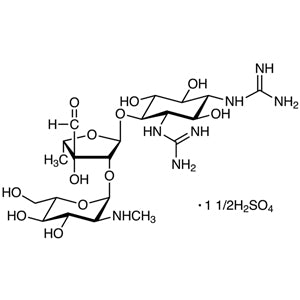
StreptomycinSulfate TCI S0585
Regular price Rp 822.150,00Regular priceRp 590.100,00Sale price Rp 822.150,00 -
Quinoxyfen TCI Q0093
Regular price Rp 3.100.650,00Regular priceRp 2.184.000,00Sale price Rp 3.100.650,00 -
Myclobutanil TCI M3560
Regular price Rp 1.351.350,00Regular priceRp 960.750,00Sale price Rp 1.351.350,00 -
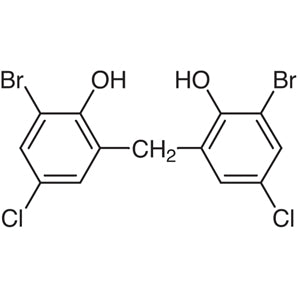
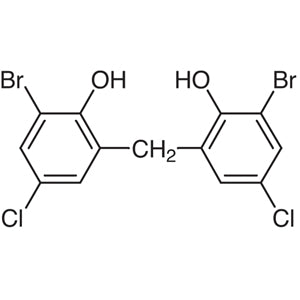
2,2'-Methylenebis(6-bromo-4-chlorophenol) TCI M1940
Regular price Rp 2.279.550,00Regular priceRp 1.593.900,00Sale price Rp 2.279.550,00 -
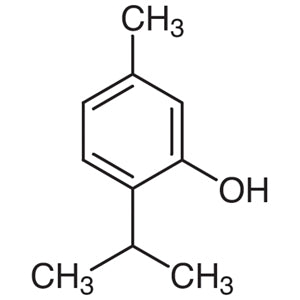
Thymol TCI M0410
Regular price Rp 530.250,00Regular priceRp 386.400,00Sale price Rp 530.250,00 -
3-Hydroxy-5-methylisoxazole TCI H1348
Regular price Rp 1.749.300,00Regular priceRp 1.239.000,00Sale price Rp 1.749.300,00 -
SpectinomycinDihydrochloridePentahydrate TCI S0584
Regular price Rp 2.041.200,00Regular priceRp 1.442.700,00Sale price Rp 2.041.200,00