Quinoxyfen is a chemical compound widely used in scientific and pharmacological applications. As a key component in the field of antibiotics and biochemical reagents, it plays a vital role in research laboratories. This compound is particularly valuable for its antimicrobial properties, which make it effective against a range of bacteria and fungi. Its presence in laboratory settings supports various studies focused on microbial behavior, drug development, and resistance mechanisms. Due to its versatility and reliability, Quinoxyfen is a preferred choice for researchers seeking high-quality reagents for their experiments.
One of the main reasons Quinoxyfen is favored in laboratories is its ability to inhibit bacterial protein synthesis, thereby preventing microbial growth and reproduction. This characteristic makes it an essential tool for testing antibiotic efficacy and studying microbial resistance. Additionally, Quinoxyfen exhibits good stability under certain conditions and dissolves easily in organic solvents, which enhances its usability in a variety of experimental setups. These properties contribute to its widespread use in both academic and industrial research environments.
In Indonesian laboratories, Quinoxyfen is commonly used in microbiology, pharmacology, and biotechnology research. Its availability in the local market ensures that researchers can access this compound for their studies. It serves as a critical reagent for understanding microbial interactions with drugs and developing strategies for infection control. Its role in supporting scientific innovation makes it an important resource for Indonesian researchers.
TCI brochures (PDF)
- Agrochemical Ingredients for Research and Experimental Use 2026-01-08 · p. 5
- Plant Research Reagents 2026-02-24 · p. 11
- Antimicrobials and Antitumor Agents for Research and Experimental Use 2025-04-24 · p. 8
- Pharmaceutical Ingredients for Research and Experimental Use 2026-03-09 · p. 8
- Reagents for Biological Research 2025-03-11 · p. 56
- Microbiology research utilizes Quinoxyfen to study bacterial growth inhibition and antimicrobial activity, providing insights into microbial behavior and resistance patterns.
- Pharmacological studies benefit from Quinoxyfen as it aids in evaluating the effectiveness of antibiotics and the development of new therapeutic agents.
- Biotechnology applications use Quinoxyfen in the formulation of reagents for laboratory testing, supporting advancements in biomedical research and drug discovery.
- Microbial resistance research relies on Quinoxyfen to investigate how bacteria develop resistance mechanisms, guiding the development of more effective treatment strategies.
- Infectious disease control programs incorporate Quinoxyfen to test and improve methods for managing and preventing microbial infections in clinical and environmental settings.
| Brand | TCI |
|---|---|
| CAS number | 124495-18-7 |
| Molecular formula | — |
| Purity | — |
| Category | Life Science > Biochemicals and Reagents > Antibiotics |
| Pack sizes | Available in various quantities as per supplier specifications |
| Physical form | Solid or powder, depending on packaging |
| Storage | Store in a cool, dry place away from direct sunlight and moisture |
Quinoxyfen should be stored in a cool, dry environment to maintain its stability and effectiveness. It is recommended to keep the compound in airtight containers to prevent exposure to moisture and contaminants. Proper labeling of storage containers is essential for safe handling and identification. Due to its chemical nature, it should be handled with appropriate personal protective equipment, such as gloves and safety goggles. Regular inspection of storage conditions ensures that the compound remains in optimal condition for laboratory use. Avoiding direct sunlight and maintaining a controlled temperature are critical for preserving its quality and ensuring safe laboratory operations.
—
Product Categories
- Biochemicals and ReagentsAntibioticsAntibiotics (Chemical Structure Class)
- Biochemicals and ReagentsPharmaceutical Research Reagents (for Experimental Use)Antimicrobial Ingredients (for Research and Experimental Use)
- Cell BiologyNutrition ResearchAgrochemical Research Reagents (for Experimental Use)
- MicrobiologyAntibioticsAntibiotics (Chemical Structure Class)
- Molecular BiologyPlant BiotechnologyAgrochemical Research Reagents (for Experimental Use)
- Pharmaceutical Development and Drug Discovery ResearchPharmaceutical Research Reagents (for Experimental Use)Antimicrobial Ingredients (for Research and Experimental Use)
- Pharmaceutical Development and Drug Discovery ResearchAntibioticsAntibiotics (Chemical Structure Class)
Produk Terkait
-
Tebuconazole TCI T2988
Regular price From Rp 848.400,00Regular priceRp 609.000,00Sale price From Rp 848.400,00 -
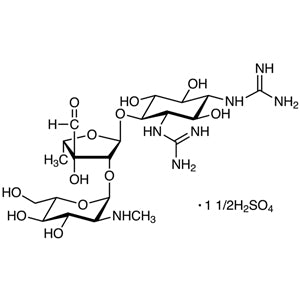
StreptomycinSulfate TCI S0585
Regular price From Rp 822.150,00Regular priceRp 590.100,00Sale price From Rp 822.150,00 -
Myclobutanil TCI M3560
Regular price From Rp 1.351.350,00Regular priceRp 960.750,00Sale price From Rp 1.351.350,00 -
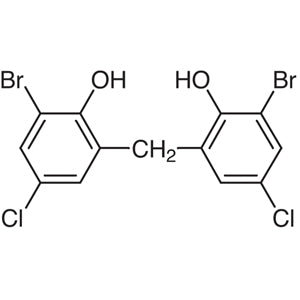
2,2'-Methylenebis(6-bromo-4-chlorophenol) TCI M1940
Regular price Rp 2.279.550,00Regular priceRp 1.593.900,00Sale price Rp 2.279.550,00 -
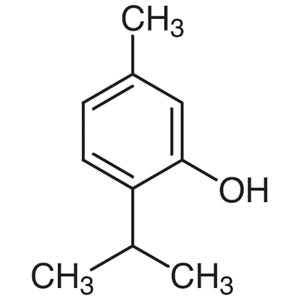
Thymol TCI M0410
Regular price From Rp 530.250,00Regular priceRp 386.400,00Sale price From Rp 530.250,00 -
3-Hydroxy-5-methylisoxazole TCI H1348
Regular price From Rp 1.749.300,00Regular priceRp 1.239.000,00Sale price From Rp 1.749.300,00 -
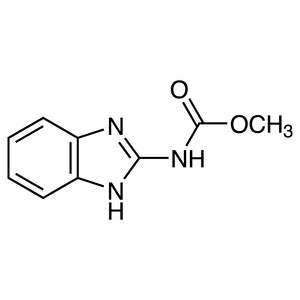
Carbendazim TCI C3962
Regular price From Rp 1.008.000,00Regular priceRp 720.300,00Sale price From Rp 1.008.000,00 -
SpectinomycinDihydrochloridePentahydrate TCI S0584
Regular price Rp 2.041.200,00Regular priceRp 1.442.700,00Sale price Rp 2.041.200,00