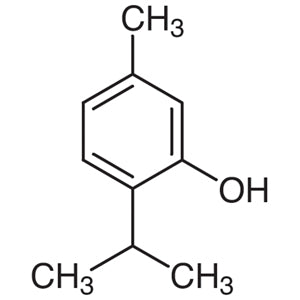
TCI M0410 Thymol is a monoterpenoid phenol that occurs naturally in the essential oil of thyme and in several other aromatic plants. The compound has long been recognised for its antiseptic and antimicrobial properties, which is why it holds an established place both in biochemistry laboratories and in laboratories engaged in natural product testing. In research work, thymol is used as a reference substance in essential oil analysis, as a test compound in studies of antimicrobial activity, and as a preservative in certain laboratory preparations that require protection against microbial growth.
The property that makes thymol a frequent choice is the combination of a phenolic hydroxyl group with a lipophilic monoterpene skeleton. This pairing gives the molecule the ability to penetrate microbial cell membranes while also producing the characteristic, easily recognised aroma associated with the compound. Thymol is supplied as a crystalline solid with limited solubility in water but good solubility in ethanol and other organic solvents, so test solutions are generally prepared using alcoholic solvents. Its aromatic ring provides distinctive ultraviolet absorption, which makes the compound straightforward to analyse by chromatographic methods.
In Indonesian laboratories, TCI M0410 Thymol is typically handled in university biochemistry and natural product research units, in laboratories screening plant extracts for antimicrobial activity, and in analytical laboratories that profile essential oils. It is commonly used as a comparison standard alongside samples of local aromatic plant material, and as a preservative component in laboratory preparations where microbial growth would otherwise compromise the sample over the course of a study.
- Essential oil reference analysis: thymol serves as a comparison compound when identifying and quantifying constituents of thyme and related aromatic plant oils by chromatographic separation.
- Antimicrobial activity studies: its ability to penetrate microbial cell membranes makes thymol a standard test compound for evaluating inhibitory effects in screening assays.
- Natural product testing: laboratories examining plant-derived materials use thymol as a known monoterpenoid phenol against which extracted fractions can be compared and characterised.
- Laboratory preparation preservation: thymol is added to certain preparations requiring protection from microbial growth, drawing on its long-established antiseptic character for sample stability.
- Chromatographic method development: the distinctive ultraviolet absorption of its aromatic ring allows thymol to be tracked reliably during detector calibration and separation method work.
| Brand | TCI (Tokyo Chemical Industry) |
|---|---|
| CAS number | 89-83-8 |
| Molecular formula | — |
| Purity | — |
| Category | Life Science > Biochemicals and Reagents > Antibiotics |
| Pack sizes | available in standard TCI research catalogue pack sizes; please confirm the required size when ordering |
| Physical form | crystalline solid |
| Storage | store in a closed container away from heat and direct light |
Store TCI M0410 Thymol in its original tightly closed container, kept in a cool, dry place away from direct sunlight and sources of heat. Amber glass or the manufacturer's supplied packaging is suitable, as the aromatic ring absorbs ultraviolet light and prolonged light exposure is best avoided. Because the material is a phenolic compound, handle it in a well-ventilated area or fume hood and wear gloves, safety glasses, and a laboratory coat to prevent skin and eye contact. Weigh the solid carefully to limit dust generation, close the container promptly after use since the compound carries a strong characteristic odour, and prepare solutions in ethanol or other suitable organic solvents. Keep the material separated from strong oxidising agents and follow the supplier safety data sheet for disposal.
—
Produk Terkait
-
Tebuconazole TCI T2988
Regular price From Rp 795.900,00Regular price -
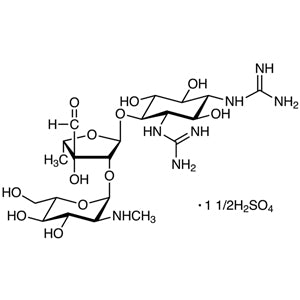
StreptomycinSulfate TCI S0585
Regular price From Rp 769.650,00Regular price -
Quinoxyfen TCI Q0093
Regular price Rp 3.048.150,00Regular price -
Myclobutanil TCI M3560
Regular price From Rp 1.298.850,00Regular price -
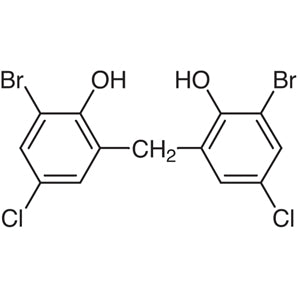
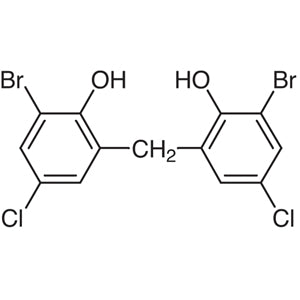
2,2'-Methylenebis(6-bromo-4-chlorophenol) TCI M1940
Regular price Rp 2.279.550,00Regular price -
3-Hydroxy-5-methylisoxazole TCI H1348
Regular price From Rp 1.696.800,00Regular price -
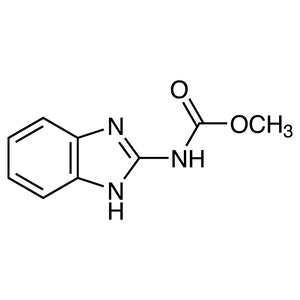
Carbendazim TCI C3962
Regular price From Rp 955.500,00Regular price -
Paclitaxel(1mg*5) TCI P3207
Regular price Rp 1.936.200,00Regular price